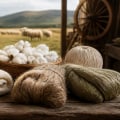
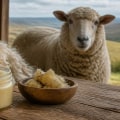
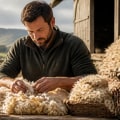
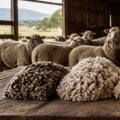
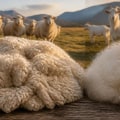
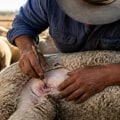
Wool production is a vital component of the global textile industry, encompassing the entire process from the shearing of sheep to the final creation of woolen products. This natural fiber, known for its warmth, durability, and versatility, has been utilized for thousands of years, making it one of the oldest materials in human history. The significance of wool production extends beyond mere fabric; it plays a crucial role in agricultural economies and sustainable practices.The wool industry is a complex network that involves various stages, including breeding, shearing, cleaning, and processing. Each step is essential in ensuring that the final product meets the high standards expected by consumers.
As we delve deeper into this topic, we will explore how wool is harvested and transformed into textiles, as well as the environmental and economic impacts associated with its production.Understanding wool production not only highlights its importance in fashion and home textiles but also sheds light on the challenges faced by producers today. From climate change affecting sheep farming to shifts in consumer preferences towards sustainable materials, the wool industry is at a crossroads. This introductory section sets the stage for a comprehensive examination of wool production, its history, and its future in an ever-evolving market.
The History of Wool Production
The history of wool production dates back thousands of years, with evidence suggesting that it began around 4000 BC in regions such as Mesopotamia. Early civilizations quickly recognized the value of wool, not only for its warmth and durability but also for its versatility in crafting textiles.Initially, wool was harvested from wild sheep, but as societies evolved, so did their methods of wool production.The domestication of sheep allowed for more consistent and higher-quality wool yields. By 3000 BC, the Sumerians were already spinning and weaving wool into garments, marking a significant milestone in the wool production timeline.
Ancient Uses of Wool
In ancient Egypt, wool was used to create clothing for both the elite and commoners. The Egyptians valued wool for its insulating properties, especially in their warm climate. Meanwhile, in the Mediterranean region, the Greeks and Romans advanced wool processing techniques, leading to the establishment of large-scale textile industries.- Greeks: They introduced dyeing techniques that enhanced the aesthetic appeal of wool garments.
- Romans: They developed extensive trade networks that facilitated the exchange of wool across Europe.
The English wool trade flourished, with towns like York becoming centers for wool processing and export. This period saw the rise of guilds that regulated the quality and pricing of wool, ensuring that it remained a valuable commodity.The Industrial Revolution brought about significant changes in wool production, introducing mechanization that increased efficiency and output. Innovations such as the spinning jenny and power loom transformed how wool was processed and woven into fabric.Today, while modern technology has streamlined many aspects of wool production, the historical significance remains evident. Understanding this rich history not only highlights the cultural importance of wool but also its enduring economic impact across centuries.
The Wool Production Process
The wool production process is a meticulous journey that transforms raw fleece from sheep into the soft, durable fabric we know and love.Understanding this process is essential for appreciating the quality and craftsmanship behind wool products.Here’s a breakdown of the key stages involved in wool production:
- Shearing: The process begins with shearing, where skilled shearers carefully remove the fleece from sheep, typically once a year. This is done in a way that minimizes stress for the animals and ensures the fleece remains intact.
- Sorting: After shearing, the fleece is sorted based on quality. Wool can vary significantly in texture, color, and length, so it’s essential to categorize it for further processing.
- Washing: The sorted fleece undergoes washing to remove dirt, grease, and impurities. This step is crucial as it prepares the wool for dyeing and spinning.
The washing process often involves using warm water and mild detergents.
- Carding: Once clean, the wool is carded. This mechanical process disentangles and aligns the fibers, transforming them into a fluffy web known as roving. Carding is vital for ensuring that the fibers are uniform and ready for spinning.
- Spinning: The carded wool is then spun into yarn. This can be done using various techniques, including hand-spinning or machine-spinning.
The thickness and twist of the yarn can be adjusted depending on the desired end product.
- Dyeing: If color is desired, the yarn can be dyed at this stage. Natural or synthetic dyes can be used to achieve a wide range of hues, enhancing the aesthetic appeal of the final product.
- Weaving or Knitting: Finally, the dyed yarn is woven or knitted into fabric. This stage brings together all previous steps to create textiles that can be used for clothing, blankets, and other woolen goods.
Types of Wool and Their Characteristics
Wool production encompasses a variety of wool types, each with distinct characteristics that cater to different needs and preferences.Understanding these types is crucial for consumers and industry professionals alike.
Types of Wool
- Merino Wool: Known for its fine fibers, Merino wool is highly sought after for its softness and breathability. It is often used in high-performance athletic wear and luxury garments due to its ability to regulate temperature and wick moisture away from the skin.
- Shetland Wool: Originating from the Shetland Islands, this wool is coarser than Merino but offers excellent durability. It is commonly used in traditional knitwear and is prized for its warmth and resilience.
- Cormo Wool: A crossbreed of Merino and Corriedale sheep, Cormo wool combines the softness of Merino with the strength of Corriedale. This type of wool is versatile, making it suitable for both garments and home textiles.
- Cashmere Wool: Although not sheep wool, cashmere deserves mention due to its luxurious feel.
Sourced from cashmere goats, it is incredibly soft and lightweight, making it a favorite for high-end fashion.
Wool Characteristics
The characteristics of wool vary significantly depending on the breed of sheep. Here are some key attributes:- Softness: Merino wool is renowned for its softness, making it ideal for sensitive skin.
- Durability: Coarser wools like Shetland are more durable, suitable for rugged use.
- Insulation: Wool naturally traps air, providing excellent insulation against cold weather.
- Moisture-Wicking: Many types of wool can absorb moisture without feeling wet, keeping the wearer comfortable.
Wool Production Around the World
The wool production industry is a vital component of the global textile market, with several countries leading the way in terms of output and quality. Understanding the geographical distribution of wool production can provide insights into its economic significance and cultural importance.Major Wool-Producing Countries
- Australia: As the largest producer of wool in the world, Australia accounts for approximately 25% of global production.
The country is renowned for its fine Merino wool, which is highly sought after in the fashion industry.
- China: Following Australia, China is a significant player in the wool market, both as a producer and a consumer. The country has a diverse range of sheep breeds and is known for its large-scale processing facilities.
- New Zealand: Known for its high-quality wool, New Zealand focuses on sustainable farming practices. The country’s wool is often marketed as eco-friendly, appealing to environmentally conscious consumers.
- Argentina: With its vast grasslands, Argentina produces a substantial amount of wool, particularly from the Patagonian region. The country is recognized for its strong and durable wool fibers.
- United Kingdom: The UK has a rich history in wool production, particularly with breeds like the British Blueface Leicester and Suffolk.
The country’s wool is often used in traditional textiles and high-end fashion.
The Global Wool Industry
The wool industry worldwide not only contributes to economies but also supports millions of livelihoods. From farmers to manufacturers, each segment plays a crucial role in maintaining the supply chain. Additionally, advancements in technology and sustainable practices are shaping the future of wool production.As consumer demand shifts towards sustainable and ethically sourced materials, countries that prioritize these values are likely to see growth in their wool production. Understanding these dynamics can help stakeholders make informed decisions in this evolving market.Sustainability in Wool Production
As consumers become increasingly aware of their environmental impact, sustainable wool production has emerged as a critical focus within the wool industry.This approach not only addresses ecological concerns but also emphasizes the importance of ethical practices in sourcing wool.One of the primary goals of sustainable wool production is to minimize the environmental footprint associated with sheep farming. This includes implementing eco-friendly practices such as rotational grazing, which helps maintain soil health and reduces overgrazing. By allowing pastures to rest and regenerate, farmers can enhance biodiversity and improve the overall ecosystem.Additionally, many wool producers are adopting organic farming methods that avoid synthetic fertilizers and pesticides. This shift not only benefits the environment but also results in healthier sheep and higher-quality wool.
Organic certification ensures that consumers can trust that their wool products are sourced from farms committed to sustainability.Another vital aspect of ethical wool sourcing is animal welfare. Responsible producers prioritize the well-being of their sheep, ensuring they are treated humanely throughout their lives. This includes providing adequate shelter, nutrition, and veterinary care. Certifications such as the Responsible Wool Standard (RWS) help consumers identify brands that adhere to these ethical practices.Moreover, transparency in the supply chain is becoming increasingly important.
Consumers are more likely to support brands that openly share their sourcing practices and environmental impact. By choosing wool products from companies committed to sustainability, shoppers can contribute to a more responsible industry.In conclusion, sustainable wool production is not just a trend; it represents a necessary evolution in the industry. By prioritizing eco-friendly practices and ethical sourcing, producers can meet consumer demand for responsible products while protecting the planet for future generations.
Challenges Facing the Wool Industry
The wool industry is currently grappling with several significant challenges that threaten its sustainability and future growth. Understanding these issues is crucial for stakeholders aiming to navigate the complexities of wool production.Climate Change
One of the most pressing challenges is climate change.Fluctuating weather patterns can adversely affect sheep health and wool quality. For instance, extreme heat can lead to heat stress in sheep, resulting in lower wool yields and compromised fiber quality. Additionally, changing precipitation patterns can impact pasture availability, further straining wool production.
Market Competition
The wool industry also faces intense market competition from synthetic fibers. As consumers increasingly opt for cheaper alternatives, traditional wool producers must find ways to differentiate their products.This includes emphasizing the natural, sustainable aspects of wool while also innovating in terms of product offerings.
Animal Welfare Issues
Animal welfare concerns are another critical issue affecting the wool industry. Practices such as mulesing have drawn significant criticism from animal rights activists and consumers alike. To maintain market share and consumer trust, the industry must adopt more humane practices and transparently communicate these changes to the public.The Future of Wool Production
Addressing these challenges is vital for the future of wool production. Industry stakeholders must collaborate to develop sustainable practices that not only enhance productivity but also prioritize animal welfare and environmental stewardship.By investing in research and innovation, the wool industry can adapt to changing market demands and climate conditions, ensuring its viability for generations to come.
FAQs About Wool Production
Wool production is a fascinating process that often raises questions among consumers and those interested in sustainable practices. Here are some frequently asked questions about wool production:- What is wool made from?Wool is primarily made from the fleece of sheep, although it can also come from other animals such as goats (cashmere and mohair), rabbits (angora), and alpacas. The fibers are composed mainly of a protein called keratin.
- How is wool harvested?Wool is harvested through a process called shearing, which involves carefully cutting the fleece off the sheep once a year. This process is typically done in the spring when the weather is warmer, ensuring the sheep remain comfortable.
- Is wool production harmful to sheep?When done responsibly, wool production is not harmful to sheep.
Ethical farmers prioritize the health and well-being of their animals, ensuring they are well cared for and not subjected to harmful practices.
- What are common misconceptions about wool?One common misconception is that all wool production involves cruelty to animals. In reality, many farmers adhere to strict animal welfare standards. Another misconception is that wool is not environmentally friendly; however, wool is a renewable resource and biodegradable, making it a sustainable choice.
Conclusion: The Future of Wool Production
As we look towards the future of wool production, it is essential to recognize the significant advancements and challenges that lie ahead.The wool industry has evolved considerably, adapting to changing consumer preferences and environmental concerns. This evolution is crucial for maintaining the relevance of wool in a competitive textile market.One of the most promising trends in wool production is the increasing demand for sustainable and ethically sourced materials. Consumers are becoming more conscious of their purchasing decisions, favoring products that are environmentally friendly and socially responsible. This shift is prompting producers to adopt more sustainable farming practices, such as rotational grazing and organic farming methods, which not only benefit the environment but also enhance the quality of the wool.Moreover, technological innovations are playing a pivotal role in shaping the future of wool production.
From advanced shearing techniques to improved processing methods, technology is helping to increase efficiency and reduce waste. For instance, the use of drones for monitoring sheep health and pasture conditions can lead to better management practices and higher-quality wool.However, challenges remain. Climate change poses a significant threat to sheep farming, affecting wool quality and production levels. Producers must adapt to these changes by implementing resilient farming strategies that can withstand extreme weather conditions.In conclusion, the future of wool production is poised for transformation through sustainability, technology, and adaptability.
As the industry navigates these changes, it will be vital for stakeholders to collaborate and innovate continuously. By doing so, they can ensure that wool remains a cherished and valuable resource in the textile world.