Sustainable Wool Production and Its Role in Agriculture
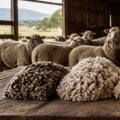
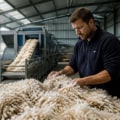
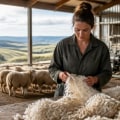
In recent years, sustainable agriculture practices have gained significant attention, and wool production is no exception. Wool, a renewable resource, offers numerous environmental benefits. It is biodegradable, recyclable, and requires less energy to produce compared to synthetic fibers. In Columbia, MO, property owners are increasingly recognizing the value of sustainable wool production as part of their agricultural management.
Wool production supports local economies and promotes biodiversity. Sheep grazing can help maintain healthy pastures, reducing the need for chemical fertilizers and pesticides. This natural approach to land management aligns with broader sustainability goals and supports environmental stewardship.
Forestry Mulching: A Sustainable Land Management Solution
Forestry mulching is a key service offered by Columbia Land Clearing in Columbia, MO. It is an eco-friendly land management technique that involves using specialized machinery to clear overgrown vegetation and underbrush. This method helps maintain the health of agricultural properties without the need for burning or chemical herbicides.
By reducing fire hazards and promoting soil health, forestry mulching supports sustainable wool production. Healthy land leads to healthier pastures, which in turn enhances the quality and yield of wool.
Benefits of Forestry Mulching for Local Properties
Forestry mulching offers several advantages for property owners in Columbia, MO:
- Improved Soil Health: Mulching leaves behind a layer of organic matter that enriches the soil, promoting the growth of native plants and grasses.
- Cost-Efficiency: It is a cost-effective alternative to traditional land clearing methods, saving property owners time and money.
- Environmental Protection: By minimizing soil disturbance, forestry mulching helps prevent erosion and protects natural habitats.
Integrating Sustainable Practices in Wool Production
For those engaged in wool production, integrating forestry mulching into land management plans can be highly beneficial. It ensures that pastures remain productive and sustainable, contributing to the overall health of the ecosystem.
Property owners can take proactive steps by:
- Regularly assessing land conditions and identifying areas for improvement.
- Collaborating with local experts like Columbia Land Clearing to implement effective land management strategies.
- Investing in sustainable practices that align with long-term agricultural goals.
Contact Columbia Land Clearing for Expert Services
For property owners seeking a reliable "forestry mulching service near me," Columbia Land Clearing offers tailored solutions to meet diverse land management needs. Their expertise in sustainable practices makes them a valuable partner for those looking to enhance their agricultural properties in Columbia, MO.
Q: How does forestry mulching support sustainable wool production?
A: Forestry mulching promotes soil health and reduces fire hazards, leading to healthier pastures. This supports sustainable wool production by improving the quality and yield of wool from sheep grazing on well-maintained land.
Take the Next Step Towards Sustainable Land Management
Incorporating sustainable practices like wool production and forestry mulching is essential for maintaining healthy agricultural lands. By partnering with Columbia Land Clearing, property owners can ensure their land management strategies are both effective and environmentally responsible. To learn more about their services, visit Columbia Land Clearing and explore how they can assist you in achieving your sustainability goals.