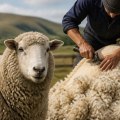
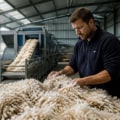
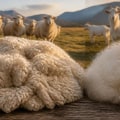
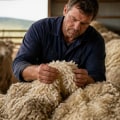
Wool production is a fascinating and intricate process that plays a vital role in the textile industry. From the soft, fluffy fleece of sheep to the luxurious fabrics we wear, the journey of raw wool into usable fibers is both an art and a science. Understanding this transformation not only highlights the significance of wool in our daily lives but also sheds light on the sustainable practices that can be employed in its production. The initial step in wool processing begins with shearing, where skilled farmers carefully remove the fleece from sheep, ensuring minimal stress to the animals. This raw wool is then collected and sorted based on quality, color, and texture.
Each batch of wool has unique characteristics that influence its final use, whether for high-end garments or durable textiles. The importance of this sorting process cannot be overstated, as it sets the foundation for the quality of the final product. Once sorted, the raw wool undergoes several stages of processing, including washing, carding, and spinning. These steps are crucial in transforming the greasy, unrefined fleece into clean, usable wool fibers. Each stage not only enhances the quality of the wool but also prepares it for various applications in fashion and home textiles.
As we delve deeper into these steps, we will uncover how each contributes to the overall value and versatility of wool as a natural fiber.
Step 1: Shearing the Sheep
The first and crucial step in wool production is the process of shearing the sheep. This involves carefully removing the fleece from the sheep, which is essential for both the animal's health and the quality of the wool harvested.Timing of Shearing
- Shearing typically occurs once a year, usually in the spring, just before the warmer months. This timing ensures that sheep are not overheated during the summer.
- Farmers monitor the fleece's condition to determine the optimal time for shearing, as waiting too long can lead to matted wool and decreased quality.
Tools Used in Shearing
- Shearing Clippers: The primary tool used is an electric shearer, which resembles a large pair of clippers. These tools are designed to efficiently cut through wool without harming the sheep.
- Hand Shears: In some cases, especially in smaller farms or for specific breeds, hand shears may be used.
While more labor-intensive, they allow for greater control.
- Protective Gear: Shearers often wear gloves and protective clothing to prevent injuries from the sheep's movements.
The Shearing Process
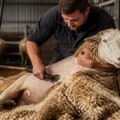
- The sheep is first secured in a comfortable position to minimize stress and movement.
- The shearer begins at the belly and works their way up to the back, ensuring a clean cut while avoiding any nicks or cuts on the skin.
- The fleece is removed in one piece whenever possible, as this helps maintain its integrity and value.
- After shearing, the fleece is carefully skirted to remove any dirty or damaged wool before it is packaged for processing.
Step 2: Cleaning and Scouring Raw Wool
Once the raw wool has been sheared from the sheep, the next crucial step in wool production is the cleaning and scouring process. This step is essential to prepare the wool for further processing by removing impurities such as dirt, grease, and lanolin.Understanding Scouring
The scouring process involves washing the raw wool in a series of baths that utilize hot water and detergents. The primary goal is to eliminate the natural oils, known as lanolin, which can hinder dye absorption and affect the wool's overall quality.
Without proper cleaning, these impurities can lead to uneven textures and colors in the final product.
Steps Involved in Cleaning Raw Wool
- Sorting: Before scouring, the raw wool is sorted to separate high-quality fibers from those that are heavily soiled or damaged.
- Pre-washing: A preliminary wash may be conducted to remove loose dirt and debris. This step often involves soaking the wool in warm water.
- Scouring: The main scouring process typically takes place in large industrial machines. Wool is immersed in hot water mixed with biodegradable detergents that effectively break down grease and dirt.
- Rinsing: After scouring, the wool is thoroughly rinsed with clean water to remove any remaining detergent and impurities.
- Dewatering: The cleaned wool is then dewatered using centrifuges or other methods to remove excess moisture before it moves on to drying.
Step 3: Carding the Wool
The carding process is a crucial step in the wool production journey, transforming raw wool into a form that is ready for spinning.This process involves aligning and separating the wool fibers, which enhances their quality and prepares them for further processing.
Understanding Carding
During carding, the wool is passed through a series of rotating drums covered with fine wire teeth. This mechanical action helps to untangle and fluff the fibers, resulting in a more uniform and manageable product. The primary goal of carding is to create a continuous web of fibers known as a carded sliver, which can then be spun into yarn.Methods of Carding
There are two main methods of carding wool: hand carding and machine carding.- Hand Carding: This traditional method involves using two hand cards, which are flat paddles with wire teeth. Wool is placed between the two cards and brushed back and forth to separate the fibers.
Hand carding allows for greater control over the fiber alignment but can be labor-intensive.
- Machine Carding: In contrast, machine carding utilizes large industrial machines that can process significant amounts of wool quickly. These machines are designed to handle various types of wool and can produce consistent results, making them ideal for commercial production.
Impact on Fiber Quality
The method chosen for carding can significantly impact the final quality of the wool fibers. Hand carded wool often retains more of its natural characteristics, resulting in a softer texture and better overall quality. On the other hand, machine carded wool may produce a more uniform sliver but can sometimes lead to fiber damage if not properly calibrated.Ultimately, the wool carding process is essential for ensuring that the fibers are adequately prepared for spinning.By understanding the different methods and their effects on fiber quality, producers can make informed decisions that enhance the overall outcome of their wool production.
Step 4: Spinning Wool into Yarn
Once the wool has been carded, the next crucial step in wool production is spinning wool into yarn. This process transforms the fluffy carded wool into a continuous strand that can be used for knitting, weaving, or other textile applications. The spinning process not only affects the texture and strength of the yarn but also its overall quality and appearance.Spinning Techniques
There are several techniques employed in spinning wool, each yielding different types of yarn:- Woolen Spinning: This technique involves spinning shorter fibers together, resulting in a thicker, loftier yarn. Woolen spun yarns are often softer and warmer, making them ideal for cozy garments.
- Worsteds Spinning: In contrast, worsted spinning uses longer fibers that are aligned parallel to each other.
This method produces a smoother, denser yarn that is typically stronger and more durable.
- Hand Spinning: Many artisans prefer hand spinning for its creative flexibility. Using a spindle or a spinning wheel, spinners can control the thickness and twist of the yarn, allowing for unique textures and patterns.
- Machine Spinning: In commercial settings, machine spinning is prevalent. High-speed spinning machines can produce large quantities of yarn quickly and consistently, making it suitable for mass production.
Equipment Used in Spinning
The equipment used in the spinning process varies based on the technique:- Spinning Wheels: Traditional spinning wheels are often used in hand spinning. They allow for precise control over the yarn's twist and thickness.
- Spindles: A simple tool for hand spinners, spindles can be portable and are great for creating small amounts of yarn.
- Industrial Spinning Machines: These machines automate the spinning process, significantly increasing efficiency and output while maintaining consistent quality.
Factors such as twist direction, fiber alignment, and ply can all affect how the yarn behaves during subsequent processes like dyeing or weaving. Understanding these elements is essential for anyone involved in wool production, whether they are hobbyists or industry professionals.
Step 5: Dyeing and Finishing Wool Yarn
After the wool has been spun into yarn, the next crucial step in wool production is the dyeing and finishing process. This stage not only enhances the aesthetic appeal of the yarn but also prepares it for various applications in textiles.Dyeing Wool Yarn
The dyeing process can be accomplished using either natural or synthetic dyes. Natural dyes are derived from plants, minerals, and insects, offering a unique palette of colors that are often softer and more muted.Common sources include:
- Indigo for blues
- Madder root for reds
- Turmeric for yellows
Finishing Processes
Once the yarn is dyed, it undergoes various finishing processes to enhance its usability and appearance. These processes may include:- Setting the dye: This involves heat treatment or chemical processes to ensure that the color adheres well to the fibers, preventing fading during washing.
- Softening: Wool can be treated with softening agents to improve its feel against the skin, making it more comfortable for wear.
- Texturizing: Techniques such as crimping or curling can be applied to add volume and texture to the yarn, enhancing its visual appeal.
- Finishing washes: These washes remove any residual chemicals from dyeing and help in achieving a clean, polished look.
Step 6: Weaving or Knitting Wool into Fabric
Once the wool has been spun into yarn, the next crucial step in wool production is transforming that yarn into fabric through either weaving or knitting.Each method has its unique characteristics and applications in textile manufacturing.
Weaving Wool Fabric
Weaving involves interlacing two sets of yarn: the warp (vertical threads) and the weft (horizontal threads). This process creates a stable and durable fabric. The most common weaving techniques include:- Plain Weave: The simplest and most widely used method, where each weft thread passes over and under each warp thread alternately.
- Twill Weave: Characterized by a diagonal rib pattern, this technique produces a heavier fabric that drapes well, making it ideal for garments like jackets.
- Satin Weave: This method creates a smooth surface with a glossy finish, often used for luxurious wool fabrics.
Knitting with Wool
Knitting, on the other hand, involves creating fabric by interlocking loops of yarn using needles.This method is particularly popular for making garments like sweaters and socks due to its stretchability and comfort. There are two primary types of knitting:
- Hand Knitting: A traditional method where individuals use needles to create custom pieces. This allows for intricate designs and personal touches.
- Machine Knitting: Utilizes specialized machines to produce knitted fabrics quickly and efficiently, suitable for mass production.
Both methods play a vital role in the overall wool production process, contributing to the diverse range of woolen textiles available in the market today.
Common Questions About Wool Production
Understanding the intricacies of wool production can help demystify the process and answer common queries. Here are some frequently asked questions regarding wool processing:- What is the first step in wool production? The journey begins with shearing, where sheep are carefully shorn to collect their fleece. This is typically done once a year, ensuring the sheep's health and comfort.
- How is raw wool cleaned? After shearing, the raw wool undergoes a cleaning process known as scouring. This involves washing the fleece in hot water with detergents to remove grease, dirt, and other impurities.
- What happens after scouring? Once cleaned, the wool is dried and then carded.
Carding involves disentangling and aligning the fibers, preparing them for spinning.
- Can you explain the spinning process? Spinning transforms carded wool into yarn. This is achieved by twisting the fibers together, which can be done using a spinning wheel or a modern spinning machine.
- What is the role of dyeing in wool production? Dyeing adds color to the yarn and can occur at various stages—either before or after spinning. This allows for a wide range of colors and patterns in the final products.
Conclusion: The Lifecycle of Wool Production
In summary, the journey of wool production from raw fleece to usable fibers is a meticulous process that involves several critical stages.Each step plays a vital role in ensuring the quality and usability of the final product. The first stage, sourcing, involves selecting the right breed of sheep, as different breeds produce wool with varying characteristics. Once the fleece is sheared, it enters the cleaning phase, where it is washed to remove dirt, grease, and impurities. This step is crucial as it prepares the wool for further processing. Following cleaning, the wool undergoes carding, a process that disentangles and aligns the fibers. This step not only enhances the texture but also prepares the wool for spinning.
The next phase is spinning, where carded wool is twisted into yarn. The spinning process can vary in technique, affecting the thickness and strength of the yarn produced. After spinning, the yarn may be subjected to dyeing, allowing for a wide range of colors and patterns. This stage adds aesthetic value and can influence marketability. Finally, the yarn is woven or knitted into fabric, completing its transformation from raw fleece to a usable textile. Each of these stages—sourcing, cleaning, carding, spinning, dyeing, and weaving—contributes significantly to the overall quality of wool products.
Understanding this lifecycle not only highlights the craftsmanship involved in wool production but also emphasizes the importance of sustainable practices in maintaining healthy sheep populations and ecosystems.