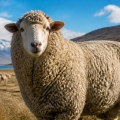
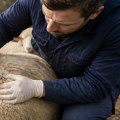
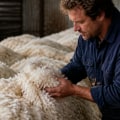
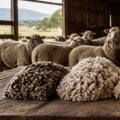
Wool production has long been celebrated for its role in the textile industry, but its applications extend far beyond just clothing. This natural fiber, derived from sheep and other animals, is not only versatile but also sustainable, making it an essential resource in various sectors. As we delve into the myriad uses of wool, it becomes clear that this remarkable material plays a significant role in enhancing our daily lives and supporting eco-friendly practices. One of the most compelling aspects of wool production is its environmental benefits. Wool is biodegradable, renewable, and requires less energy to produce compared to synthetic fibers.
This sustainability factor has led to a resurgence in interest across multiple industries, from construction to agriculture. For instance, wool's natural insulating properties make it an excellent choice for building materials, while its moisture-wicking capabilities are harnessed in the production of high-performance outdoor gear. Moreover, wool's unique characteristics lend themselves to innovative applications that many may not immediately associate with this fiber. Beyond traditional textiles, wool is increasingly being used in products such as insulation for homes and vehicles, soundproofing materials, and even biodegradable packaging solutions. As we explore these diverse uses further, it becomes evident that wool is not just a staple for clothing but a multifaceted resource that contributes to sustainable development and environmental stewardship.
Wool in Home Textiles
Wool is not only a staple in the fashion industry but also plays a significant role in home textiles.Its unique properties make it an ideal choice for various household items, enhancing both comfort and style.
Wool Rugs
Wool rugs are celebrated for their durability and resilience. Unlike synthetic fibers, wool can withstand heavy foot traffic while maintaining its appearance. The natural crimp in wool fibers allows them to bounce back after compression, making them less prone to flattening over time. Additionally, wool rugs are naturally stain-resistant due to the lanolin present in the fibers, which repels dirt and spills.This makes them an excellent choice for families with children or pets.
Wool Blankets
Wool blankets offer unparalleled warmth and insulation, making them perfect for chilly nights. The natural insulating properties of wool help regulate body temperature, keeping you warm without overheating. Furthermore, wool is breathable, allowing moisture to escape while retaining heat. This combination of warmth and breathability makes wool blankets a favorite for both indoor and outdoor use.Upholstery and Other Textiles
Beyond rugs and blankets, wool is also used in upholstery fabrics.Its strength and durability make it suitable for furniture that endures daily use. Wool upholstery resists pilling and fading, ensuring that your furniture remains vibrant and intact for years. Additionally, the natural texture of wool adds a touch of elegance to any room, enhancing the overall aesthetic appeal.In summary, the versatility of wool production extends far beyond clothing. From wool rugs that provide comfort underfoot to wool blankets that keep you cozy, and upholstery that adds sophistication to your home, wool is an invaluable material in home textiles.
Wool in Insulation Materials
Wool is increasingly recognized for its role in insulation materials, offering a sustainable alternative to traditional synthetic options.As the construction industry seeks more eco-friendly solutions, wool insulation stands out due to its impressive thermal properties and environmental benefits.
Thermal Properties of Wool
- Excellent Insulation: Wool has a natural ability to regulate temperature, keeping spaces warm in winter and cool in summer. Its unique fiber structure traps air, providing superior thermal resistance.
- Moisture Management: Unlike many synthetic insulators, wool can absorb moisture without losing its insulating properties. This capability helps maintain a comfortable indoor climate and reduces the risk of mold growth.
- Sound Absorption: Wool insulation also offers sound-dampening qualities, making it an ideal choice for residential and commercial buildings where noise reduction is desired.
The production of wool insulation typically involves less energy compared to synthetic materials, further reducing its carbon footprint.
Benefits Over Synthetic Materials
- Non-Toxic: Wool is free from harmful chemicals often found in synthetic insulations, contributing to healthier indoor air quality.
- Durability: Wool fibers are naturally resilient, providing long-lasting performance without the need for frequent replacement.
- Fire Resistance: Wool has a high ignition point and does not melt, making it a safer option in case of fire.
Wool in Agriculture and Gardening
Wool is not just a versatile material for clothing; it also plays a significant role in agriculture and gardening. One of the most innovative uses of wool in these fields is as a natural mulch. When used as mulch, wool helps to retain moisture in the soil, suppress weeds, and regulate soil temperature.This is particularly beneficial in regions with extreme weather conditions, where maintaining consistent soil moisture can be challenging.Additionally, wool can be composted to create a nutrient-rich fertilizer. As it decomposes, wool releases nitrogen, phosphorus, and potassium—essential nutrients that promote healthy plant growth. This slow-release nature of wool makes it an excellent addition to compost piles, enhancing the overall quality of the compost.
Benefits of Using Wool in Gardening
- Soil Health: Wool improves soil structure by increasing aeration and water retention, which is crucial for root development.
- Natural Pest Deterrent: The lanolin found in wool can help deter certain pests, reducing the need for chemical pesticides.
- Sustainability: Utilizing wool in gardening promotes sustainable practices by recycling a natural product that might otherwise go to waste.
By embracing these practices, gardeners can contribute to a more sustainable environment while enjoying the advantages that wool brings to their gardens.
Wool in Crafting and Artisanal Products
Wool is not just a staple in the fashion industry; it also plays a significant role in the world of crafting and artisanal products. Its unique properties make it an ideal material for various creative endeavors, allowing artisans to explore their creativity while producing functional and decorative items.Wool Crafting
One of the most popular uses of wool in crafting is through felting. This technique involves matting, condensing, and pressing wool fibers together to create a dense fabric. Felt can be used for a variety of projects, including:- Home Decor: Felt can be transformed into wall hangings, coasters, and decorative bowls.
- Accessories: Artisans often create unique bags, hats, and slippers from felt.
- Toys: Felted wool is commonly used to make soft toys and dolls, appealing to both children and collectors.
Artisanal Wool Products
Beyond felting, wool is also a favored material for creating high-quality yarn.Many crafters enjoy spinning their own yarn from raw wool, which allows for customization in color and texture. This process not only enhances the crafting experience but also results in:
- Knitted Items: Hand-knit sweaters, scarves, and blankets made from artisanal yarn are cherished for their warmth and uniqueness.
- Crochet Projects: Wool yarn is ideal for crochet enthusiasts looking to create intricate patterns and designs.
Whether through felting or creating artisanal products like yarn, wool continues to inspire creativity and innovation among artisans everywhere.
Wool in Industrial Applications
Wool is not just a staple in the fashion industry; it has found a significant place in various industrial applications due to its unique properties. The natural resilience, moisture-wicking ability, and thermal insulation of wool make it an ideal candidate for a range of technical textiles and composites.One of the most innovative uses of wool is in the creation of wool composites. These materials combine wool fibers with other substances to enhance performance characteristics. For instance, wool can be blended with synthetic fibers to produce durable fabrics that are both lightweight and strong.This combination is particularly useful in industries such as automotive and aerospace, where materials must withstand extreme conditions while maintaining flexibility.
Technical Textiles
The realm of technical textiles showcases wool's versatility. In construction, wool is used in insulation products that provide excellent thermal regulation, helping to reduce energy costs in buildings. Additionally, its natural fire-resistant properties make it a safe choice for various applications.- Sound Absorption: Wool's fibrous structure allows it to absorb sound effectively, making it a popular choice for acoustic panels in theaters and recording studios.
- Medical Textiles: In healthcare, wool is utilized in wound dressings due to its natural antibacterial properties, promoting faster healing.
- Geotextiles: Wool is also employed in geotextiles for erosion control and soil stabilization, providing an eco-friendly solution that decomposes over time.
Wool for Health and Wellness Products
Wool is not only a versatile material for clothing but also offers numerous health benefits when used in various products, particularly in bedding and therapeutic items.Its unique properties make it an excellent choice for those seeking comfort and wellness.
Hypoallergenic Properties
One of the standout features of wool is its hypoallergenic nature. Wool fibers naturally repel dust mites, mold, and mildew, making it an ideal material for individuals with allergies or respiratory issues. This quality ensures a cleaner sleeping environment, which can significantly improve overall health.
Therapeutic Uses of Wool
Wool is increasingly being recognized for its therapeutic uses. Products such as wool blankets and mattress toppers provide warmth and comfort, which can help alleviate symptoms of conditions like arthritis and fibromyalgia.
The natural crimp in wool fibers creates air pockets that trap heat, providing a soothing warmth that can ease muscle tension and promote relaxation.
Wool Bedding Benefits
- Temperature Regulation: Wool is known for its ability to regulate body temperature. It wicks moisture away from the skin while retaining warmth, ensuring a comfortable sleep environment throughout the night.
- Moisture Management: The moisture-wicking properties of wool help keep the body dry, reducing the risk of overheating and promoting better sleep quality.
- Durability: Wool bedding products are not only comfortable but also durable. They can withstand regular use while maintaining their shape and effectiveness over time.
Sustainable Aspects of Wool Production
The sustainability of wool production is a critical aspect that sets it apart from many synthetic alternatives.Unlike petroleum-based fibers, wool is a natural, renewable resource that can be produced with minimal environmental impact when sourced ethically.
Ethical Sourcing of Wool
- Many wool producers adhere to strict animal welfare standards, ensuring that sheep are treated humanely throughout their lives.
- Certification programs, such as the Responsible Wool Standard (RWS), promote best practices in animal husbandry and environmental stewardship.
- By choosing wool from certified sources, consumers can support farms that prioritize ethical treatment and sustainable practices.
Environmental Impact of Wool
- Biodegradability: Wool is fully biodegradable, breaking down naturally over time without leaving harmful residues, unlike synthetic fibers that can take hundreds of years to decompose.
- Carbon Sequestration: Sheep grazing can contribute to carbon sequestration in soil, helping to mitigate climate change by capturing atmospheric carbon dioxide.
- Water Usage: While wool production does require water, it is often less than that needed for cotton or synthetic fiber production, especially when considering the entire lifecycle of the products.
FAQs About Wool Uses Beyond Clothing
Wool is often associated with clothing, but its versatility extends far beyond garments. Here are some common questions regarding the various uses of wool:What are some non-clothing uses for wool?
- Insulation: Wool is an excellent natural insulator, making it ideal for use in building materials. It helps regulate temperature and humidity, contributing to energy efficiency.
- Textiles: Beyond clothing, wool is used in carpets, rugs, and upholstery.
Its durability and stain resistance make it a preferred choice for high-traffic areas.
- Felt: Wool can be processed into felt, which is used in crafts, industrial applications, and even as padding in various products.
- Soundproofing: Due to its dense structure, wool is effective in sound absorption, making it useful in acoustic panels and soundproofing materials.
What are the benefits of using wool?
- Sustainability: Wool is a renewable resource, as sheep produce new fleece annually. This makes it an environmentally friendly option compared to synthetic fibers.
- Biodiversity: The production of wool supports diverse farming practices and helps maintain healthy ecosystems.
- Moisture management: Wool can absorb moisture without feeling wet, making it ideal for various applications where moisture control is essential.
Conclusion: The Multifaceted Nature of Wool Production
In conclusion, the world of wool production extends far beyond the realm of clothing, showcasing its remarkable versatility and utility across various industries. Throughout this article, we have explored numerous applications of wool that highlight its unique properties and benefits. From insulation materials in construction to biodegradable packaging solutions, wool's natural characteristics make it an ideal choice for sustainable practices.Its ability to regulate temperature and moisture also lends itself well to the production of high-performance textiles used in outdoor gear and sportswear. Moreover, the use of wool in home furnishings, such as carpets and upholstery, not only adds aesthetic value but also contributes to indoor air quality by naturally filtering pollutants. The agricultural sector benefits from wool as well, with its use in erosion control and as a natural fertilizer when composted. As we continue to seek sustainable alternatives in our daily lives, the importance of wool production will only grow. Its renewable nature and biodegradability position it as a frontrunner in eco-friendly materials. By embracing the multifaceted applications of wool, we can support both environmental sustainability and economic growth within the wool industry. Ultimately, recognizing the diverse uses of wool encourages a broader appreciation for this natural fiber, paving the way for innovative solutions that benefit both consumers and producers alike.