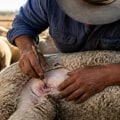
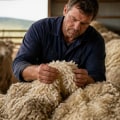
The world of wool production has undergone a remarkable transformation over the past few decades, largely due to the integration of advanced technology. From the initial stages of sheep breeding to the final processing of wool, technological innovations have streamlined operations, enhanced quality, and increased efficiency. This evolution not only benefits producers but also impacts consumers by providing higher-quality products at competitive prices. Historically, wool production was a labor-intensive process, reliant on traditional methods that often limited scalability and efficiency. However, with the advent of modern machinery and digital tools, farmers can now monitor sheep health and wool quality in real-time.
Technologies such as automated shearing machines and precision farming tools have revolutionized how wool is harvested and processed, reducing labor costs and minimizing waste. Moreover, advancements in data analytics and genetic research have enabled producers to make informed decisions about breeding practices, leading to healthier flocks and superior wool characteristics. As we delve deeper into this topic, we will explore the multifaceted impact of technology on wool production, examining how these innovations are shaping the future of this age-old industry.
Historical Overview of Wool Production
The history of wool production dates back thousands of years, with evidence suggesting that humans began domesticating sheep around 10,000 B.C. in regions such as Mesopotamia. This early practice laid the foundation for what would become a vital industry, as wool was one of the first fibers used for clothing and textiles.In ancient civilizations, such as those in Egypt and Rome, wool was highly prized.The Romans developed sophisticated methods for spinning and dyeing wool, which significantly improved the quality and variety of woolen goods. They utilized tools like the spindle and loom, which allowed for more efficient production compared to earlier methods.During the Middle Ages, wool production became a cornerstone of the European economy. The traditional wool production methods of this era involved hand-shearing sheep and using rudimentary tools for processing the fleece. Guilds were established to regulate the quality of wool and protect the interests of producers.
The English wool trade flourished during this time, with regions like East Anglia becoming renowned for their high-quality wool.As we moved into the Industrial Revolution in the 18th century, significant advancements began to reshape wool production. The introduction of mechanized spinning and weaving machines revolutionized the industry, allowing for mass production and reducing labor costs. This shift not only increased output but also made wool products more accessible to a broader audience.Understanding this historical context is crucial for appreciating how technology has continued to influence wool production practices today. From traditional handcrafting techniques to modern automated processes, each phase of development has contributed to the efficiency and quality of wool products we see in contemporary markets.
Modern Technologies in Wool Production
The landscape of wool production has been significantly transformed by modern technologies, leading to enhanced efficiency and quality in the industry.Innovations such as automated shearing machines, genetic engineering, and precision farming techniques are at the forefront of this transformation.
Automated Shearing Machines
One of the most notable advancements in wool production is the introduction of automated shearing machines. These machines not only reduce the labor intensity associated with traditional shearing methods but also improve the speed and consistency of wool harvesting. By utilizing robotics and advanced sensors, these machines can shear sheep more quickly and with less stress on the animals, resulting in higher quality fleece.Genetic Engineering
Another groundbreaking innovation is genetic engineering, which allows farmers to selectively breed sheep for desirable traits such as finer wool quality, increased fleece yield, and disease resistance. This technology enables producers to enhance their flocks' genetic potential, leading to more sustainable wool production practices.For instance, genetically modified sheep can produce wool that is not only softer but also more resilient, catering to the growing demand for high-quality textiles.
Precision Farming Techniques
Precision farming techniques have also made a significant impact on wool production. By employing data analytics and IoT (Internet of Things) devices, farmers can monitor various factors such as soil health, pasture conditions, and animal well-being in real-time. This data-driven approach allows for better resource management and decision-making, ultimately leading to improved wool quality and quantity.In conclusion, the integration of modern technologies in wool production not only enhances operational efficiency but also contributes to higher quality outputs. As these innovations continue to evolve, they promise a brighter future for wool farming, ensuring that it remains competitive in an ever-changing agricultural landscape.The Role of Data Analytics in Wool Production
In recent years, data analytics has emerged as a transformative force in the realm of wool production.By harnessing the power of data, wool producers can make informed decisions that enhance productivity and sustainability. This section delves into how data analytics is reshaping various aspects of wool farming.
Optimizing Breeding Programs
One of the most significant applications of data analytics in wool production is in the optimization of breeding programs. By analyzing genetic data, farmers can identify traits that contribute to superior wool quality and yield. This data-driven approach allows for:
- Selective Breeding: Producers can select breeding stock based on performance metrics, leading to improved fleece characteristics.
- Genetic Diversity: Data analytics helps maintain genetic diversity within flocks, which is crucial for long-term sustainability.
Health Management
Data analytics also plays a vital role in health management within wool production.
By monitoring health indicators through wearable technology and sensors, farmers can:
- Early Detection: Identify health issues before they escalate, reducing veterinary costs and improving animal welfare.
- Feed Optimization: Analyze feed efficiency and nutritional needs, ensuring that sheep receive the best diet for optimal wool growth.
Yield Predictions
Accurate yield predictions are essential for effective planning and resource allocation. Data analytics enables farmers to:
- Forecast Production: Use historical data and current trends to predict wool yields, allowing for better market positioning.
- Resource Management: Optimize water usage and pasture management based on predictive models, enhancing overall farm efficiency.
Sustainability and Environmental Impact of Technological Advances
In recent years, the wool industry has seen significant advancements in technology that have greatly enhanced sustainable wool production. These innovations not only improve efficiency but also address critical environmental concerns, making the industry more eco-friendly.One of the most impactful technologies is the use of precision agriculture.This approach utilizes data analytics and IoT (Internet of Things) devices to monitor sheep health, pasture conditions, and resource usage. By collecting real-time data, farmers can make informed decisions that lead to reduced waste and optimized resource management. For instance, targeted feeding strategies can minimize feed waste and ensure that sheep receive the necessary nutrients without overusing resources.Moreover, advancements in animal welfare technology have transformed how sheep are raised. Automated monitoring systems can track the health and behavior of livestock, allowing farmers to identify issues early and reduce stress on animals.
This not only enhances the quality of wool produced but also aligns with consumer demands for ethically sourced products.Another significant development is the implementation of eco-friendly practices in the processing of wool. Technologies such as waterless dyeing methods and biodegradable detergents are being adopted to minimize the environmental footprint of wool production. These innovations help reduce water consumption and chemical runoff, addressing some of the major environmental impacts associated with traditional wool processing.Furthermore, blockchain technology is being explored to enhance transparency in the wool supply chain. By providing consumers with verifiable information about the origins and sustainability practices of their wool products, brands can build trust and cater to a growing market that prioritizes sustainability.In conclusion, technological advancements are playing a crucial role in promoting sustainable wool production.
By improving animal welfare, reducing waste, and implementing eco-friendly practices, the wool industry is moving towards a more sustainable future that meets both consumer expectations and environmental standards.
Challenges Faced by Wool Producers Due to Technology
The integration of technology in wool production has undoubtedly transformed the industry, but it has also introduced a range of challenges that producers must navigate. One of the most significant hurdles is the high cost associated with adopting new technologies. Advanced machinery, precision farming tools, and data analytics systems require substantial financial investment, which can be prohibitive for smaller farms. This financial burden can lead to a disparity between large-scale operations that can afford these technologies and smaller producers who may struggle to keep up.Additionally, the rapid pace of technological advancement means that wool producers must constantly update their equipment and practices.This need for continual investment can strain resources and complicate long-term planning. Farmers may find themselves in a cycle of needing to invest in new technologies just to maintain competitiveness, which can be overwhelming.Another challenge is the need for training. As technology becomes more sophisticated, so too does the skill set required to operate it effectively. Many wool producers may not have the technical background necessary to utilize these advancements fully.
This gap in knowledge can lead to underutilization of technology, where farmers invest in tools but fail to leverage them for maximum efficiency and productivity.Moreover, there is often a resistance to change within the agricultural community. Traditional practices have been the backbone of wool production for generations, and some farmers may be hesitant to adopt new methods or technologies that disrupt established routines. This cultural barrier can slow down the overall adoption of beneficial innovations.Lastly, the reliance on technology can create vulnerabilities. For instance, if a system fails or if there is a cyber-attack on farm management software, it could severely disrupt operations.
Thus, while technology offers numerous advantages for wool production, it also presents significant challenges that must be addressed to ensure sustainable growth in the industry.
Future Trends in Wool Production Technology
As we look to the future, the wool production industry is poised for significant transformation driven by emerging technologies and innovative practices. These advancements are not only aimed at improving efficiency but also at enhancing sustainability and product quality.Precision Agriculture
One of the most promising trends in wool production is the adoption of precision agriculture techniques. By utilizing data analytics, GPS technology, and IoT devices, farmers can monitor sheep health, pasture conditions, and wool quality in real-time. This data-driven approach allows for more informed decision-making, optimizing resource use and minimizing waste.Genetic Advancements
Another area of innovation lies in genetic research.Advances in genomics are enabling breeders to select for traits that enhance wool quality, such as fiber diameter and strength. This not only improves the end product but also contributes to the overall health and productivity of sheep.
Sustainable Practices
The future of wool production is also leaning towards sustainability. Technologies that reduce water usage, improve land management, and lower carbon footprints are becoming increasingly important. For instance, regenerative agriculture practices are gaining traction, focusing on soil health and biodiversity to create a more resilient ecosystem.Automation and Robotics
Automation is set to play a crucial role in the wool industry as well.Robotic shearing machines and automated sorting systems can significantly reduce labor costs and increase efficiency. These technologies not only streamline operations but also ensure consistent quality in wool processing.
Blockchain for Traceability
Finally, blockchain technology is emerging as a game-changer for transparency in the wool production supply chain. By providing a secure and immutable record of each step from farm to consumer, blockchain can enhance trust and traceability, appealing to increasingly conscious consumers.In conclusion, the future of wool production is bright with potential innovations that promise to enhance efficiency, sustainability, and product quality. As these technologies continue to evolve, they will undoubtedly reshape the landscape of the wool industry for years to come.FAQs About Technology and Wool Production
As technology continues to evolve, many farmers and producers are left wondering how these advancements impact wool production.Here are some frequently asked questions that shed light on this intersection:
- What types of technology are currently used in wool production?
Modern wool production employs a variety of technologies, including automated shearing machines, advanced breeding techniques, and precision farming tools. These innovations help improve efficiency and animal welfare. - How does technology improve the quality of wool?
Technological advancements allow for better monitoring of sheep health and nutrition, which directly affects wool quality. For instance, using sensors to track sheep behavior can help farmers identify health issues early, ensuring that the wool produced is of the highest standard. - Can technology reduce the environmental impact of wool farming?
Yes, technology plays a crucial role in making wool production more sustainable. Innovations such as water-efficient irrigation systems and renewable energy sources help minimize the ecological footprint of wool farming. - What role does data analytics play in wool production?
Data analytics enables farmers to make informed decisions based on real-time data regarding weather patterns, market trends, and sheep performance.This leads to optimized production processes and better financial outcomes.
Conclusion: The Future of Wool Production with Technology
As we look towards the future of wool production, it is clear that technology will continue to play a pivotal role in transforming the industry. The advancements we have seen in recent years are not just trends; they represent a fundamental shift in how wool is produced, processed, and marketed. One of the most significant impacts of technology is the enhancement of efficiency in wool harvesting and processing. Automated shearing machines and drones for flock management have reduced labor costs and improved animal welfare.These innovations allow farmers to focus on other critical aspects of their operations, such as breeding and sustainability. Moreover, the integration of data analytics and smart farming technologies enables producers to make informed decisions based on real-time data. This capability helps optimize wool quality and yield, ensuring that producers can meet market demands while maintaining high standards. Additionally, advancements in sustainable practices are reshaping the wool industry. Technologies that promote eco-friendly farming methods not only appeal to environmentally conscious consumers but also help producers reduce their carbon footprint. This shift towards sustainability is essential for the long-term viability of wool production.In conclusion, the future of wool production is bright, driven by continuous technological advancements.
As producers embrace these changes, they will not only enhance their operational efficiency but also contribute to a more sustainable and ethical industry. The ongoing evolution of technology will undoubtedly shape the landscape of wool production for generations to come.