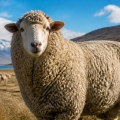
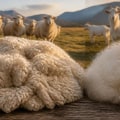
Wool production is a vital component of the global textile industry, providing a natural fiber that is both versatile and sustainable. This process involves the harvesting of wool from various animals, each contributing unique qualities to the final product. Understanding the animals used for wool not only highlights the diversity of wool sources but also emphasizes the importance of animal husbandry in maintaining quality and sustainability in wool production. The most recognized source of wool is sheep, particularly breeds like Merino, which are renowned for their fine, soft fleece. However, wool production extends beyond just sheep; other animals such as goats, alpacas, and rabbits also play significant roles.
For instance, cashmere goats produce luxurious cashmere wool, while alpacas yield a soft and warm fiber that is highly sought after in high-end fashion. Each type of wool has distinct characteristics that cater to different market needs, making it essential for consumers and manufacturers alike to understand these differences. As we delve deeper into the world of wool production, we will explore the various animals that contribute to this industry, their specific types of wool, and how these fibers are processed into the textiles we use every day. By appreciating the origins of wool, we can better understand its significance in our lives and the broader implications for sustainable practices in textile manufacturing.
Sheep: The Primary Source of Wool
When it comes to wool production, sheep are undoubtedly the primary source. Various breeds of sheep have been selectively bred over centuries to enhance their wool quality, making them invaluable to the textile industry.Here, we explore some of the most prominent sheep breeds known for their exceptional wool.
Merino Sheep
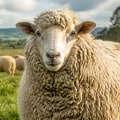
One of the most renowned breeds for wool production is the Merino. Originating from Spain, Merinos are celebrated for their fine, soft wool that is highly sought after in the fashion industry. Their fleece is dense and elastic, providing excellent insulation while remaining lightweight. Merino wool is often used in high-end garments due to its superior quality and comfort.Rambouillet Sheep
The Rambouillet breed, developed from Merino stock in France, is another significant contributor to wool production.Rambouillet sheep produce a medium to fine wool that is both durable and versatile. Their fleece has a natural crimp that enhances its elasticity, making it ideal for various textile applications, from sweaters to suits.
Suffolk Sheep
While primarily raised for meat, Suffolk sheep also contribute to wool production. Their wool is coarser compared to Merino and Rambouillet but is still valuable for making carpets and blankets. The breed's hardiness and adaptability make it a popular choice among farmers.Other Notable Breeds
- Cotswold: Known for its long, lustrous wool, Cotswold sheep are often used in weaving and crafting.
- Lincoln: This breed produces one of the longest wools available, ideal for specialty textiles.
- Corriedale: A dual-purpose breed that offers good quality wool along with meat production.
Understanding these breeds helps consumers appreciate the quality and variety of wool products available today.
Other Animals Used for Wool Production
While sheep are the most recognized source of wool production, several other animals contribute to the diverse world of wool and wool-like fibers. Each of these animals produces unique fibers that vary in texture, warmth, and durability.Alpaca Wool
Alpacas, native to South America, are prized for their soft and luxurious fleece.Alpaca wool
is known for its lightweight properties and exceptional warmth, making it a popular choice for high-end garments. Unlike sheep wool, alpaca fibers are smoother and contain no lanolin, which makes them hypoallergenic.The fiber comes in a variety of natural colors, ranging from white to black, allowing for a wide range of dyeing options.
Cashmere Goats
Cashmere goats produce one of the most luxurious fibers in the world: cashmere. This fine undercoat is harvested during the molting season and is renowned for its softness and insulating properties. Cashmere is significantly warmer than sheep wool while being lighter in weight. The production of cashmere is labor-intensive, as it requires careful collection and processing to maintain its quality.Angora Rabbits
Angora rabbits are another unique source of wool-like fiber.Their fur is incredibly soft and fluffy, making it ideal for knitting and weaving. Angora fiber is known for its warmth and sheen but requires special care during washing and maintenance to prevent matting. The production of angora wool is sustainable, as it can be harvested multiple times a year without harming the rabbits.
Other Wool Animals
- Mohair: Produced by Angora goats, mohair is known for its luster and durability. It is often used in high-quality textiles.
- Bison: Bison down is a rare fiber that offers warmth similar to cashmere but with a unique texture.
- Camel: Camel hair comes from Bactrian camels and is valued for its softness and insulating properties.
Understanding these alternatives can enhance choices for consumers seeking quality and sustainability in their wool products.
The Process of Wool Production
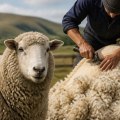
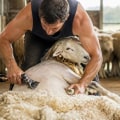
The wool production process is a meticulous journey that begins with the shearing of sheep and culminates in the creation of various textile products. Understanding this process is essential for appreciating the quality and versatility of wool.Shearing Sheep
The first step in wool production is shearing, which typically occurs once a year, usually in the spring. This is when the fleece is at its thickest and most ready for harvesting. Shearing is performed using electric clippers or hand shears, and it requires skill to ensure that the sheep are not harmed during the process.A well-sheared fleece can weigh anywhere from 5 to 15 pounds, depending on the breed.
Sorting and Grading
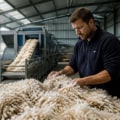
After shearing, the fleece is carefully sorted and graded based on its quality. Factors such as fiber diameter, length, and color are considered. This sorting process is crucial as it determines the fleece's suitability for different types of wool products. Higher quality wool is often reserved for fine garments, while lower grades may be used for insulation or carpets.Wool Processing
Once sorted, the wool undergoes several processing steps:- Cleaning: The raw fleece contains dirt, grease (lanolin), and other impurities.
It is washed in hot water with detergents to remove these contaminants.
- Carding: After cleaning, the wool fibers are carded to separate and align them. This process transforms the wool into a fluffy mass known as roving.
- Spinning: The roving is then spun into yarn. This can be done using various spinning techniques, which affect the texture and strength of the final product.
- Dyeing: If desired, the yarn can be dyed at this stage to achieve a wide range of colors before being woven or knitted into fabrics.
Sustainable Practices in Wool Production
As the demand for wool production continues to rise, the importance of sustainable practices in this industry has become increasingly evident.Sustainable wool production not only benefits the environment but also ensures the welfare of the animals involved and supports local economies.One of the key aspects of sustainable wool production is ethical wool sourcing. This involves selecting suppliers who prioritize animal welfare, ensuring that sheep are raised in humane conditions. Practices such as rotational grazing and maintaining healthy flock sizes contribute to the overall well-being of the animals and the land they inhabit.Consumers can play a significant role in promoting sustainability by choosing products that are certified by reputable organizations. Look for labels that indicate ethical sourcing, such as the Responsible Wool Standard (RWS) or Global Organic Textile Standard (GOTS).
These certifications ensure that the wool is produced with respect for both animal welfare and environmental sustainability.In addition to ethical sourcing, eco-friendly practices in wool production include minimizing water usage, reducing chemical inputs, and implementing waste management strategies. For instance, some farms are adopting organic farming methods that avoid synthetic fertilizers and pesticides, thereby protecting local ecosystems.Furthermore, many producers are exploring innovative technologies to enhance sustainability. This includes using renewable energy sources for processing facilities and developing biodegradable packaging for wool products. By supporting brands that invest in these practices, consumers can help drive demand for more sustainable options in the market.Ultimately, making informed choices about wool products not only contributes to a healthier planet but also supports ethical practices within the industry.
By prioritizing sustainability in wool production, we can ensure that this valuable resource remains available for future generations while promoting a more responsible approach to fashion and textiles.
Frequently Asked Questions about Wool Production
Wool production is a fascinating topic that raises many questions. Here are some of the most frequently asked questions about wool and its benefits.What are the benefits of wool?
Wool is a natural fiber known for its numerous advantages:- Insulation: Wool fibers trap air, providing excellent thermal insulation, keeping you warm in winter and cool in summer.
- Moisture-wicking: Wool can absorb moisture without feeling wet, making it comfortable to wear in various conditions.
- Durability: Wool is resilient and can withstand wear and tear, making it a long-lasting choice for clothing and textiles.
- Biodegradable: As a natural product, wool is environmentally friendly and decomposes over time.
How should I care for wool products?
Caring for wool requires some special attention to maintain its quality:- Washing: Hand wash or use a gentle cycle with cold water. Avoid harsh detergents.
- Drying: Lay flat to dry instead of hanging, which can stretch the fibers.
- Storing: Keep wool items in a cool, dry place, ideally in breathable bags to prevent moth damage.
Are there misconceptions about animal welfare in wool production?
Many people have concerns regarding wool production and animal welfare. It's important to understand that:- The majority of wool comes from sheep that are sheared annually, which is necessary for their health.
- Responsible farmers prioritize the well-being of their animals, ensuring they are treated humanely.
Conclusion: The Importance of Understanding Wool Production
In conclusion, understanding wool production is essential for appreciating the intricate relationship between various animals and the textile industry.The primary sources of wool, including sheep, goats, rabbits, and alpacas, each contribute unique qualities that enhance the diversity of wool products available in the market.Sheep, particularly breeds like Merino and Suffolk, are the most recognized contributors to wool production due to their fine and versatile fleece. However, it is crucial to acknowledge the roles of other animals as well:
- Cashmere goats provide luxurious cashmere wool, known for its softness and warmth.
- Angora rabbits produce Angora wool, which is prized for its silky texture and lightweight properties.
- Alpacas offer alpaca wool, celebrated for its durability and hypoallergenic qualities.