Wool production is a vital industry that not only supports the economy but also plays a significant role in the textile market. The quality of wool produced can vary greatly depending on several factors, including the breed of sheep, the environment in which they are raised, and the methods used during shearing and processing. Understanding these elements is crucial for anyone involved in the wool supply chain, from farmers to manufacturers and retailers. The quality of wool directly influences its pricing, making it essential for producers to focus on high standards throughout the production process. Fine wool, known for its softness and durability, often commands higher prices compared to coarser varieties.
Additionally, factors such as fiber diameter, length, and color can significantly impact market value. As consumers become more discerning about the materials they choose, the demand for high-quality wool continues to rise. In this exploration of wool production and its pricing dynamics, we will delve into how various aspects of wool quality affect its market value. By examining the intricate relationship between production practices and pricing strategies, we aim to provide a comprehensive understanding of why some wool is valued more highly than others. This knowledge is not only beneficial for producers looking to maximize their profits but also for consumers seeking quality products that meet their needs.
The Basics of Wool Quality
Understanding the quality of wool is essential for anyone involved in wool production, as it directly influences pricing and market demand.Several factors contribute to the overall quality of wool, which can be categorized into various types and graded accordingly.
Factors Affecting Wool Quality
- Fiber Diameter: The thickness of the wool fibers, measured in microns, is a primary determinant of quality. Finer fibers are generally more desirable and command higher prices.
- Crimp: The natural wave or curl in the wool fibers affects elasticity and insulation properties. A well-defined crimp is often associated with higher quality.
- Length: Longer fibers are easier to spin into yarn and are less likely to break during processing, making them more valuable.
- Color: The natural color of the wool can impact its marketability. White wool is often preferred for dyeing purposes, while darker shades may be less desirable.
- Cleanliness: Wool must be free from contaminants such as dirt, grease, and vegetable matter.
Higher cleanliness levels lead to better quality ratings.
Types of Wool
Wool can be classified into several types based on the breed of sheep and the characteristics of the fleece:- Merino Wool: Known for its fine diameter and softness, Merino wool is highly sought after for high-end garments.
- Shetland Wool: This type is coarser but offers excellent warmth, making it popular for knitwear.
- Cormo Wool: A crossbreed that combines the qualities of fine wool with good resilience, ideal for a variety of textile applications.
- Lambswool: Harvested from young sheep, this wool is soft and has a luxurious feel, often used in premium products.
Wool Grading
The grading process evaluates these factors to assign a quality score to the wool. Common grading systems include:- American Wool Standards: This system categorizes wool based on fiber diameter and other characteristics.
- Australian Wool Classing: A more detailed grading system that considers additional factors like staple length and color.
Factors Influencing Wool Quality
The quality of wool is influenced by a myriad of factors, each playing a crucial role in determining its overall value in the market. Understanding these factors is essential for anyone involved in wool production.Sheep Breeds
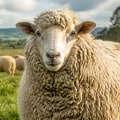
Different sheep breeds produce wool with varying characteristics. For instance, Merino sheep are renowned for their fine, soft wool, which is highly sought after for high-end garments.In contrast, breeds like Romney and Lincoln produce coarser wool that may be more suitable for carpets and insulation. The genetic makeup of the sheep directly impacts the fiber diameter, length, and crimp, all of which are critical indicators of wool quality.
Environmental Conditions
The environmental conditions in which sheep are raised also significantly affect wool quality. Factors such as climate, pasture quality, and even altitude can influence the health of the sheep and the characteristics of their fleece. For example, sheep raised in arid regions may produce wool that is more resilient but less fine compared to those raised in lush pastures.Additionally, extreme weather conditions can lead to stress in sheep, resulting in lower quality wool.
Farming Practices
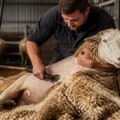
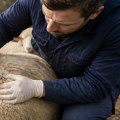
Effective farming practices are vital for maintaining high wool quality. This includes proper nutrition, regular health checks, and appropriate shearing techniques. Sheep that are well-fed and cared for tend to produce better-quality fleece. Moreover, shearing at the right time can prevent damage to the wool and ensure that it retains its natural properties.In summary, the interplay between sheep breeds, environmental conditions, and farming practices creates a complex landscape that ultimately determines the quality of wool produced.Understanding these factors not only aids producers in enhancing their output but also helps consumers make informed choices when purchasing wool products.
How Wool Quality Affects Pricing
The relationship between wool quality and its pricing is a fundamental aspect of the wool production industry. Higher-quality wool typically commands higher prices due to several key factors that influence market demand and pricing structures.Quality vs Price
- Fiber Diameter: The fineness of the wool fiber, measured in microns, plays a crucial role in determining its quality. Finer wool is often softer and more desirable, leading to higher prices.
- Length and Strength: Longer and stronger fibers are less likely to break during processing, making them more valuable. Wool that meets these criteria is sought after by manufacturers for high-end products.
- Color and Cleanliness: Natural color and cleanliness of the fleece also affect pricing.
Wool that is free from contaminants and has a consistent color can fetch a premium in the market.
Market Demand for Wool
The demand for high-quality wool is driven by various industries, including fashion, textiles, and home furnishings. As consumer preferences shift towards sustainable and ethically sourced materials, the demand for premium wool has increased. This trend has led to a greater willingness among buyers to pay higher prices for superior quality.Additionally, the economic principle of supply and demand plays a significant role in wool pricing. When high-quality wool is in limited supply but has strong demand, prices naturally rise.
Conversely, if the market is flooded with lower-quality wool, prices may drop as producers compete to sell their products.In conclusion, understanding how wool quality affects pricing is essential for producers and consumers alike. By focusing on producing high-quality wool, farmers can enhance their profitability while meeting the growing market demand for premium products.
Market Trends in Wool Pricing Based on Quality
The wool production industry is significantly influenced by the quality of wool, which in turn affects pricing trends in the market. As consumer preferences evolve, the demand for high-quality wool has surged, leading to a noticeable shift in pricing dynamics.One of the primary factors driving this trend is the increasing awareness of sustainability and ethical sourcing among consumers. High-quality wool, often sourced from well-managed farms that prioritize animal welfare and environmental practices, commands a premium price.This shift is evident in the growing popularity of brands that emphasize these values, thereby influencing overall market trends.
Quality Grades and Their Impact on Pricing
Wool is graded based on several characteristics, including fiber diameter, length, and crimp. The finer the wool, the higher its quality and price. For instance:- Merino wool, known for its softness and fine fibers, typically fetches higher prices compared to coarser varieties.
- Medium wool, while still valuable, tends to be less expensive due to its broader fiber diameter.
- Coarse wool, often used for carpets and insulation, generally has the lowest market value.
Market Analysis and Future Trends
Current market analysis indicates that regions known for high-quality wool production, such as Australia and New Zealand, are experiencing stable price increases.This trend is expected to continue as more consumers prioritize quality over quantity in their purchasing decisions. Furthermore, innovations in processing techniques that enhance wool's properties may also contribute to rising prices.In conclusion, the interplay between quality and pricing in the wool market is complex but increasingly clear. As consumer preferences shift towards sustainability and luxury, high-quality wool will likely continue to dominate market trends, driving prices upward and reshaping the landscape of wool production.
Case Studies: Quality and Price in Wool Production
Understanding the relationship between wool quality and pricing can be greatly enhanced through real-world case studies. These examples illustrate how variations in wool quality directly impact market prices, providing valuable insights for producers and consumers alike.Case Study 1: Merino Wool
One of the most renowned examples is Merino wool, prized for its fine texture and softness.In Australia, Merino wool producers have seen significant price differences based on the micron count of their fleece. For instance, wool with a micron count of 18.5 or lower can fetch prices upwards of $20 per kilogram, while coarser wool (above 24 microns) may only sell for $5 to $8 per kilogram. This stark contrast highlights how fiber diameter plays a crucial role in determining market value.
Case Study 2: Cashmere vs. Wool
Another compelling case is the comparison between cashmere and traditional sheep wool.While cashmere is derived from goats and is often marketed as a luxury fiber, its price can reach $100 per kilogram or more, depending on quality. In contrast, high-quality sheep wool typically ranges from $10 to $30 per kilogram. This disparity illustrates how fiber origin and perceived luxury status can influence pricing in the wool production market.
Case Study 3: Local vs. Imported Wool
The impact of local production versus imported wool also provides insight into pricing variations.For example, U.S.-produced wool often commands higher prices due to its quality assurance and traceability compared to imported options from countries with less stringent quality controls. A study showed that local fine wool could sell for up to 30% more than similar grades imported from overseas, emphasizing the importance of sourcing in determining price.These case studies demonstrate that the quality of wool significantly affects its price across various markets. By understanding these dynamics, producers can make informed decisions about breeding, shearing practices, and marketing strategies to optimize their profitability in the competitive world of wool production.
FAQs About Wool Quality and Pricing
Understanding the relationship between wool quality and pricing is essential for anyone involved in wool production. Here are some frequently asked questions that can help clarify this topic:- What factors determine wool quality?
The quality of wool is influenced by several factors, including the breed of sheep, the age of the animal, and the shearing process.Fine wool breeds, such as Merino, typically produce higher-quality fibers that are softer and more durable.
- How does wool grading work?
Wool is graded based on its diameter, length, and overall condition. The finer the fiber, the higher the grade. For example, a wool fiber measuring 18.5 microns is considered a premium grade, while coarser fibers may fall into lower categories. - Why does finer wool cost more?
Finer wool is often more desirable due to its softness and versatility. It can be used in high-end garments and textiles, which drives up demand and subsequently increases its price. - Does the origin of wool affect its price?
Yes, the geographical origin can impact pricing.Wool from regions known for high-quality production, such as Australia or New Zealand, often commands higher prices due to established reputations for quality.
- How do environmental factors influence wool quality?
Environmental conditions such as climate, pasture quality, and animal husbandry practices play a significant role in wool quality. Sheep raised in optimal conditions tend to produce superior wool.
Conclusion: The Interplay Between Wool Quality and Price in Production
In conclusion, the relationship between wool quality and its price is a complex yet crucial aspect of wool production. Throughout this article, we have explored various factors that contribute to the quality of wool, including fiber diameter, length, and overall cleanliness.Each of these elements plays a significant role in determining the market value of wool. High-quality wool, characterized by finer fibers and superior strength, commands a premium price. This is largely due to its desirable properties such as softness, durability, and ability to retain warmth. As consumers increasingly seek sustainable and high-performance materials, the demand for high-quality wool continues to rise. Moreover, the production methods employed by farmers can significantly impact wool quality. Practices such as proper shearing techniques, effective animal husbandry, and appropriate feeding can enhance the quality of the fleece produced.
Farmers who invest in these practices often see a direct correlation between their efforts and the prices they can command in the marketplace. Additionally, market trends and consumer preferences play a pivotal role in shaping the pricing landscape. As fashion trends evolve and sustainability becomes a priority for many consumers, the demand for high-quality wool products is likely to increase. This shift underscores the importance of understanding how wool quality affects pricing strategies within the broader context of wool production.Ultimately, recognizing the interplay between wool quality and price is essential for producers aiming to maximize their profitability while meeting consumer expectations. By focusing on quality improvements and adapting to market demands, wool producers can ensure their products remain competitive in an ever-evolving industry.