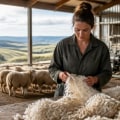
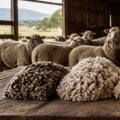
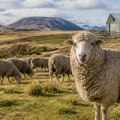
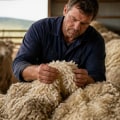
The history of wool production is a rich tapestry woven through centuries, reflecting the evolution of agricultural practices and human ingenuity. Dating back to around 6000 BC, the domestication of sheep marked the beginning of this ancient craft. Early civilizations, such as those in Mesopotamia and the Indus Valley, recognized the value of wool not only for its warmth but also for its versatility in creating textiles. As societies advanced, so did their methods of wool production, transitioning from rudimentary techniques to more sophisticated processes. Throughout history, various cultures have contributed to the development of traditional wool methods.
The Romans, for instance, introduced innovations in spinning and dyeing that enhanced the quality and appeal of woolen fabrics. By the Middle Ages, wool had become a cornerstone of European economies, with regions like England and Flanders becoming renowned for their high-quality wool products. This period also saw the establishment of guilds that regulated production standards and protected trade secrets, ensuring that traditional methods were preserved and passed down through generations. As we delve deeper into the timeline of wool production, it becomes evident that despite technological advancements, many traditional practices remain relevant today. From hand-shearing techniques to natural dyeing processes, these age-old methods not only honor the craft's heritage but also cater to a growing demand for sustainable and ethically produced textiles.
Understanding this historical context is essential for appreciating the enduring significance of wool production in contemporary society.
Sheep Breeds Used in Traditional Wool Production
When it comes to wool production, the choice of sheep breed plays a pivotal role in determining the quality and characteristics of the wool. Various traditional sheep breeds have been cultivated over centuries, each offering unique attributes that cater to different wool needs. Here are some of the most notable traditional sheep breeds used in wool production:- Merino: Renowned for its fine, soft wool, the Merino sheep is one of the most sought-after breeds in the world. Its wool is highly elastic and has excellent moisture-wicking properties, making it ideal for high-quality garments.
- Suffolk: This breed is known for its medium to coarse wool, which is durable and resilient. Suffolk sheep are often raised for both meat and wool, providing a versatile option for farmers.
- Romney: With a long history in England, Romney sheep produce a lustrous fleece that is both strong and water-resistant.
Their wool is particularly favored for hand-spinning and crafting.
- Lincoln: Recognized for its long, lustrous locks, Lincoln sheep produce one of the heaviest fleeces among traditional breeds. The wool is coarse but highly valued for its strength and durability.
- Corriedale: A cross between Merino and Lincoln breeds, Corriedale sheep yield a medium-fine wool that is versatile and easy to work with. This breed is popular among both commercial producers and hobbyists.
Understanding these differences can help producers select the right breed for their specific wool production goals. In conclusion, traditional sheep breeds continue to play an essential role in wool production, each contributing unique qualities that cater to various markets and consumer preferences. By appreciating these breeds and their characteristics, we can better understand the rich heritage of wool craftsmanship.
Shearing Techniques: The Art of Wool Harvesting
Wool production begins with the essential process of shearing, which is the careful removal of a sheep's fleece. This traditional method has been refined over centuries, ensuring both the welfare of the sheep and the quality of the wool harvested. The art of shearing is not just about cutting; it requires skill, timing, and an understanding of sheep behavior.Traditional Shearing Techniques
- Hand Shearing: This method involves using hand shears, which are similar to large scissors.
While labor-intensive, hand shearing allows for greater control and minimizes stress on the animal.
- Mechanical Shearing: Introduced in the 20th century, electric shears have become popular due to their efficiency. These tools can quickly shear a sheep while maintaining a high standard of fleece quality.
- Preparation: Before shearing, sheep are often gathered in a clean area to reduce contamination of the fleece. It’s crucial to ensure that the animals are calm and healthy.
- Positioning: The shearer positions the sheep on its back or side, which helps to keep it still during the process. Proper handling is vital to avoid injury.
- Shearing: Starting from the belly and moving towards the back, the shearer carefully removes the fleece in one piece.
This technique preserves the integrity of the wool and minimizes waste.
- Post-Shearing Care: After shearing, sheep should be checked for any cuts or injuries. They are then returned to their flock, often with a protective coat if necessary.
- Hand Shears: Ideal for small flocks or organic farms where minimal stress on animals is prioritized.
- Electric Shears: Commonly used in larger operations for their speed and efficiency.
- Sheep Handling Equipment: Such as pens and chutes that facilitate safe handling during shearing.
Wool Cleaning and Scouring Processes
Wool production involves several critical steps, and one of the most important is the cleaning and scouring of the wool. These processes are essential for removing impurities and preparing the wool for further processing.Traditional methods of wool cleaning have been refined over centuries, and many of these techniques are still in use today.
Wool Cleaning Methods
- Hand Washing: In some small-scale operations, wool is still washed by hand using warm water and mild detergents. This method allows for careful handling of the fibers, minimizing damage.
- Mechanical Washing: Larger producers often use mechanical washing machines designed specifically for wool. These machines gently agitate the wool in water, effectively removing dirt and grease.
- Natural Soaking: Some traditional methods involve soaking the wool in natural solutions, such as soapy water made from plant materials. This eco-friendly approach is gaining popularity among sustainable producers.
Scouring Wool
The scouring process is a more intensive cleaning method that typically follows initial washing.
It involves using hot water and specialized detergents to remove lanolin, dirt, and other contaminants from the wool.
- Hot Water Scouring: This method uses hot water (around 140°F) combined with detergents to dissolve lanolin and other impurities. The wool is immersed in this solution, allowing for thorough cleaning.
- Chemical Scouring: While less traditional, some producers use chemical agents to enhance the scouring process. These chemicals can be effective but may raise concerns regarding environmental impact.
As interest in ethically produced textiles grows, understanding these traditional processes becomes increasingly important in the realm of wool production.
Spinning Wool: Traditional Techniques and Tools
Spinning wool is a crucial step in the wool production process, transforming raw fleece into usable yarn. Traditional spinning techniques have been passed down through generations, showcasing the artistry and skill involved in this craft.Traditional Spinning Techniques
One of the most ancient methods of spinning wool is the use of a drop spindle. This simple tool consists of a spindle and a whorl, allowing spinners to twist fibers into yarn by hand. The drop spindle is portable and versatile, making it an ideal choice for spinners who appreciate the tactile connection to their materials.Another widely recognized technique is the use of the spinning wheel.Developed in the Middle Ages, spinning wheels significantly increased the efficiency of wool production. They consist of a wheel that turns a drive band connected to a flyer, which twists and winds the fiber into yarn. The rhythmic motion of the wheel allows for greater control over the thickness and texture of the yarn produced.
Essential Spinning Tools
- Drop Spindle: A lightweight tool that allows for easy manipulation of fibers.
- Spinning Wheel: A more complex device that enhances speed and consistency in yarn production.
- Niddy Noddy: Used for measuring and winding skeins of yarn, ensuring uniformity.
- Carders: Essential for preparing wool by detangling and aligning fibers before spinning.
The process requires practice to master tension and rhythm, but it ultimately leads to beautiful, handcrafted yarn that can be used for various projects.The revival of traditional spinning techniques has sparked renewed interest in wool production, as artisans seek to connect with history while creating unique textiles. Whether using a drop spindle or a spinning wheel, each method offers a distinct experience that celebrates the rich heritage of wool craftsmanship.
Dyeing Wool: Natural vs. Synthetic Dyes
The process of dyeing wool is a crucial aspect of wool production, influencing not only the aesthetic appeal of the final product but also its marketability. Traditionally, two primary methods have been employed: natural dyeing and the use of synthetic dyes.Natural Dyeing Methods
Natural dyeing involves using plant-based materials, minerals, and even insects to create vibrant colors.This method has been practiced for centuries and is celebrated for its sustainability and eco-friendliness. Common sources for natural dyes include:
- Plants: Leaves, roots, and flowers from plants such as indigo, madder, and turmeric.
- Minerals: Earthy pigments like ochre or iron oxide.
- Insects: Cochineal, derived from scale insects, produces a rich red dye.
Synthetic Dyes for Wool
Synthetic dyes emerged in the 19th century and revolutionized the wool production industry by providing a wider range of colors and greater consistency.These dyes are chemically manufactured and can be produced in large quantities, making them more accessible and cost-effective for mass production. Some advantages of synthetic dyes include:
- Colorfastness: Synthetic dyes tend to be more resistant to fading over time.
- Variety: A broader spectrum of colors can be achieved with synthetic options.
- Efficiency: The dyeing process is generally quicker than with natural methods.
Weaving and Knitting: Crafting with Wool
Wool production has a rich history that intertwines with traditional crafting techniques, particularly in weaving and knitting. These methods not only showcase the versatility of wool but also highlight the artistry involved in transforming raw fibers into beautiful textiles.Weaving with Wool
Weaving is one of the oldest textile arts, and it remains a vital method for creating woolen fabrics.Traditional wool weaving techniques often involve handlooms, where artisans skillfully interlace threads to produce intricate patterns. Common styles include:
- Twill Weave: Characterized by its diagonal ribbing, this technique creates durable fabrics ideal for outerwear.
- Satin Weave: This method produces a smooth surface with a luxurious feel, often used for high-end garments.
- Jacquard Weave: Utilizing complex patterns, this technique allows for detailed designs that can tell stories or represent cultural motifs.
Knitting with Wool
Knitting, another cherished craft, allows for a more personal touch in wool production. This technique involves creating fabric by interlocking loops of yarn, which can be done by hand or machine. Traditional knitting patterns often reflect regional styles and can include:- Fair Isle: A colorwork technique originating from Scotland, known for its vibrant patterns and intricate designs.
- Cable Knitting: This method creates textured patterns that resemble twisted ropes, adding depth and interest to garments.
- Lace Knitting: Utilizing fine yarn and intricate stitch patterns, lace knitting produces delicate fabrics perfect for shawls and accessories.
By choosing local wool sources, artisans support their communities while ensuring high-quality materials for their creations. As we continue to embrace these traditional methods, the connection between wool production and its end-use becomes increasingly significant, celebrating both craftsmanship and sustainability.
Sustainability in Traditional Wool Production Methods
As the demand for sustainable wool production continues to rise, traditional methods of wool production are gaining renewed attention for their eco-friendly practices. These methods not only honor the heritage of wool crafting but also align with modern sustainability goals.One of the most significant aspects of traditional wool production is the emphasis on natural grazing. Sheep are often raised in extensive pastures, allowing them to graze freely.This practice promotes biodiversity and helps maintain healthy ecosystems. By avoiding intensive farming techniques, traditional wool producers minimize soil degradation and promote carbon sequestration, which is vital for combating climate change.
Eco-Friendly Practices in Wool Production
- Natural Dyes: Many traditional wool producers use plant-based dyes instead of synthetic alternatives. This not only reduces chemical runoff into waterways but also supports local agriculture.
- Hand Shearing: Hand shearing is a common practice in traditional wool production. It is less stressful for the sheep compared to machine shearing and allows for more careful handling, ensuring animal welfare.
- Minimal Processing: Traditional methods often involve minimal processing of wool, which reduces energy consumption and waste.
Producers focus on preserving the natural qualities of the fiber.
Challenges Facing Traditional Wool Production Today
Traditional wool production has been a cornerstone of the textile industry for centuries, but it faces numerous challenges in today's market.One of the most significant issues is the increasing competition from synthetic fibers. Materials such as polyester and nylon are often cheaper to produce and can mimic the properties of wool, making them attractive alternatives for manufacturers and consumers alike.Moreover, changing consumer preferences play a crucial role in the challenges faced by traditional wool producers. As sustainability becomes a more pressing concern, many consumers are shifting towards eco-friendly materials. While wool is a natural fiber, the perception of its environmental impact can be complicated by factors such as farming practices and animal welfare concerns.
This shift necessitates that traditional producers adapt their methods to align with modern values.
Economic Pressures
The economic landscape for wool production is also evolving. Traditional methods often require more labor and time compared to industrialized processes. As labor costs rise and profit margins shrink, many producers find it difficult to sustain their operations. This economic pressure can lead to a decline in the number of farms practicing traditional methods, threatening the preservation of these age-old techniques.Future Outlook
Looking ahead, the future of traditional wool production will likely depend on innovation and adaptation.Producers may need to embrace new technologies that enhance efficiency while maintaining quality. Additionally, marketing strategies that emphasize the unique qualities of traditional wool—such as its durability, breathability, and natural origins—could help regain consumer interest.In conclusion, while traditional wool production faces significant challenges from synthetic alternatives and shifting consumer preferences, there remains an opportunity for growth through adaptation and innovation. By addressing these modern issues head-on, traditional producers can carve out a sustainable niche in the evolving textile market.
Conclusion: The Future of Traditional Wool Production Methods
As we reflect on the traditional methods of wool production discussed throughout this article, it becomes clear that these time-honored practices are not only rich in history but also hold significant relevance in today's sustainable textile industry. From the ancient art of hand-shearing to the meticulous processes of natural dyeing, these methods embody a deep connection to the land and the animals that provide us with wool.One of the most compelling aspects of traditional wool production is its emphasis on sustainability.Many of these methods prioritize animal welfare and environmental stewardship, aligning perfectly with the growing consumer demand for ethically sourced materials. As awareness around sustainability increases, we can expect a resurgence in interest for these age-old techniques.
Preserving Heritage and Craftsmanship
The preservation of traditional wool production methods is not just about maintaining a craft; it is about honoring the cultural heritage that accompanies these practices. Communities around the world are recognizing the value of their local traditions, leading to initiatives aimed at teaching younger generations the skills necessary to continue these practices. This revival not only supports local economies but also fosters a sense of pride and identity.Innovation Meets Tradition
Interestingly, the future of traditional wool production may also lie in its ability to adapt and innovate.By integrating modern technology with traditional techniques, producers can enhance efficiency while still respecting the age-old methods that define their craft. For instance, advancements in sustainable farming practices can improve sheep health and wool quality without compromising ethical standards.In conclusion, while traditional methods of wool production face challenges from industrialization and fast fashion, their future looks promising. As consumers increasingly seek out sustainable and ethically produced textiles, there is a unique opportunity for these time-honored practices to thrive once more. By embracing both tradition and innovation, we can ensure that the art of wool production continues to be a vital part of our cultural and economic landscape.