Wool production is a fascinating and intricate process that plays a vital role in the global textile industry. This natural fiber, derived primarily from sheep, has been utilized for thousands of years, valued not only for its warmth and durability but also for its versatility in various applications. Understanding how wool is produced provides insight into the broader wool industry, which encompasses everything from farming practices to the final textile products that consumers enjoy. The journey of wool begins on the farm, where sheep are raised specifically for their fleece. Farmers employ sustainable practices to ensure the health and well-being of their flocks, as well as the quality of the wool they produce.
Once the sheep are sheared, the raw fleece undergoes a series of processes that transform it into the soft, luxurious material we recognize. This includes cleaning, carding, and spinning, each step crucial in maintaining the integrity and quality of the wool. As we delve deeper into the world of wool production, we will explore not only the technical aspects of shearing and processing but also the environmental and economic impacts of this industry. From traditional methods that have stood the test of time to modern innovations aimed at improving efficiency and sustainability, understanding these elements is essential for anyone interested in textiles or sustainable fashion.
The Lifecycle of Sheep: The Source of Wool
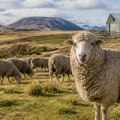
The journey of wool production begins with the lifecycle of sheep, which are the primary source of this versatile fiber. Understanding the different breeds of sheep and their life stages is crucial for producing high-quality wool.Sheep typically have a lifespan of 10 to 12 years, but their wool-producing years are most productive between the ages of 1 and 6.During this period, they undergo several key stages:- Birth: Lambs are born in spring, a time when conditions are favorable for their growth.
They rely on their mother's milk for nutrition during the first few weeks.
- Weaning: At around 3 to 4 months, lambs are weaned and begin to graze on grass. This is a critical stage as their diet influences the quality of wool they will produce later.
- Maturity: By 6 to 12 months, sheep reach sexual maturity and continue to grow. The breed significantly impacts wool characteristics; for instance, Merino sheep are renowned for their fine wool, while Suffolk sheep produce coarser fibers.
- Shearing: Once a year, usually in spring, mature sheep are sheared. This process not only harvests wool but also promotes the health of the sheep by preventing overheating and skin diseases.
For example:
- Merino: Known for its fine, soft wool, Merino sheep are highly sought after in the textile industry.
- Suffolk: This breed produces a heavier fleece that is ideal for durable fabrics.
- Dorset: Dorsets are known for their ability to produce high-quality wool even in varying climates.
Shearing: The First Step in Wool Production
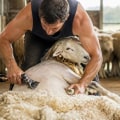
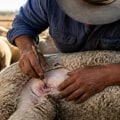
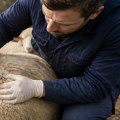
The shearing process is a critical first step in wool production, as it directly impacts the quality and quantity of wool harvested from sheep. Typically, shearing occurs once a year, usually in the spring, when temperatures begin to rise.This timing is essential because it allows sheep to shed their heavy winter coats before the heat of summer sets in.During the shearing process, skilled shearers use specialized tools to carefully remove the fleece from the sheep's body. The goal is to do this as quickly and humanely as possible to minimize stress for the animal.
Shearing techniques
can vary, but most professionals follow a systematic approach:- Preparation: Before shearing, sheep are often gathered and cleaned to ensure that the fleece is free from dirt and debris.
- Positioning: The sheep is placed on its back or side, which helps keep it calm and still during the process.
- Shearing: Using electric or manual shears, the shearer begins at the belly and works their way up to the back, carefully removing the fleece in one piece.
- Post-Shearing Care: After shearing, sheep are checked for any injuries and returned to their flock promptly.
High-quality wool is characterized by its softness, strength, and cleanliness, all of which can be compromised if shearing is done improperly.In summary, understanding when to shear sheep and employing effective shearing techniques are vital components of successful wool production. By prioritizing humane practices during this initial stage, producers can ensure both animal welfare and high-quality wool output.
Cleaning and Sorting Wool: Preparing for Processing
After the shearing process, the raw wool is in need of thorough cleaning and sorting to ensure it meets quality standards for further processing. This crucial step not only enhances the wool's appearance but also significantly affects its performance in various applications.Cleaning Wool
- The first stage of cleaning involves removing any dirt, grease, and vegetable matter from the fleece. This is typically done through a process known as washing, where the wool is soaked in warm water with mild detergents.
- After washing, the wool is rinsed thoroughly to eliminate any soap residues.
This step is vital as leftover chemicals can affect the dyeing process and overall quality of the final product.
- Once rinsed, the wool is often dried to prepare it for sorting. This can be done using mechanical dryers or by air drying, depending on the scale of production.
Sorting Wool
Following cleaning, the wool must be sorted based on several criteria:
- Fleece Quality: Wool is categorized by its fiber diameter, length, and overall condition. Higher quality fleeces are separated from those with defects.
- Color: Wool can vary in color, and sorting by color helps in achieving uniformity during dyeing.
- Type: Different breeds of sheep produce different types of wool. Sorting ensures that each type is processed appropriately to maintain its unique characteristics.
By investing time and resources into these initial stages, producers can ensure that they deliver high-quality wool that meets consumer expectations.
Wool Processing: From Raw Fiber to Yarn
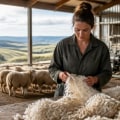
Once the wool is sheared from the sheep, it undergoes a series of meticulous processing steps to transform it into usable yarn. The first stage in wool production is known as scouring, where the raw fleece is washed to remove grease, dirt, and impurities. This process is crucial as it prepares the wool for further processing and enhances its quality.After scouring, the wool is dried and then subjected to carding. This method involves untangling and separating the fibers, aligning them in a parallel formation.Carding can be done using either hand tools or industrial machines, depending on the scale of production. The result is a fluffy mass of wool known as roving, which is ready for spinning.
Spinning Yarn
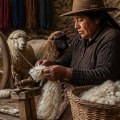
- The next step in wool processing is spinning, where the roving is twisted and drawn out to create yarn. This can be achieved through various techniques:
- Ring Spinning: A traditional method that produces strong and fine yarn by twisting fibers together.
- Open-End Spinning: A more modern technique that allows for faster production by using a rotor to spin the fibers.
- Woolen vs. Worsted Spinning: Woolen spinning creates a softer, bulkier yarn, while worsted spinning results in a smoother, denser product.
Once spun, the yarn may undergo additional processes such as dyeing or finishing to enhance its aesthetic qualities and prepare it for various applications.In summary, the journey from raw wool to finished yarn involves several critical steps: scouring, carding, and spinning. Each stage plays a vital role in ensuring that the final product meets the high standards expected in the textile industry.
Dyeing and Finishing Wool: Adding Color and Texture
The process of dyeing wool is a crucial step in wool production, allowing producers to create vibrant colors and patterns that enhance the aesthetic appeal of the final product. There are several methods used for dyeing wool, each offering unique benefits and results.- Batch Dyeing: This traditional method involves immersing a batch of wool fibers in a dye bath. The temperature and duration of the dyeing process can be adjusted to achieve different shades.
- Continuous Dyeing: In this method, wool is passed through a series of dye baths in a continuous flow, allowing for efficient production and consistent color application.
- Space Dyeing: This technique creates multi-colored effects by applying different dyes at various points along the fiber, resulting in a unique, variegated appearance.
These processes are essential for ensuring that the wool meets industry standards and consumer expectations.
- Fulling: This process involves washing and agitating the wool to shrink and mat the fibers together, resulting in a denser fabric that is warmer and more durable.
- Scouring: Before dyeing, scouring removes natural oils and impurities from the wool, ensuring that the dye adheres evenly and effectively.
- Brushing: This finishing technique raises the fibers on the surface of the fabric, creating a soft, plush texture that enhances comfort.
Sustainability in Wool Production: Ethical Practices and Innovations
As the demand for wool production continues to grow, the focus on sustainability and ethical practices has become increasingly important. Sustainable wool production not only benefits the environment but also supports the welfare of sheep and the livelihoods of farmers.One of the key aspects of sustainable wool production is ethical sheep farming. This involves ensuring that sheep are raised in humane conditions, with access to pasture, clean water, and proper veterinary care.Farmers who prioritize animal welfare often implement rotational grazing practices, which allow pastures to recover and reduce soil erosion.In addition to ethical treatment, many wool producers are adopting eco-friendly practices that minimize their environmental impact. These practices include:
- Water conservation: Utilizing rainwater harvesting systems and efficient irrigation methods to reduce water usage.
- Natural pest control: Implementing integrated pest management strategies that rely on natural predators instead of harmful chemicals.
- Soil health improvement: Using organic fertilizers and cover crops to enhance soil fertility and biodiversity.
These certifications guarantee that the wool is sourced from farms that adhere to strict animal welfare and environmental standards.In conclusion, sustainable practices in wool production are essential for fostering a more ethical and environmentally friendly industry. By prioritizing animal welfare, adopting eco-friendly methods, and embracing innovative technologies, wool producers can contribute to a more sustainable future.
The Global Wool Market: Trends and Challenges
The global wool market is experiencing a dynamic shift influenced by various factors, including consumer preferences, sustainability concerns, and technological advancements. As the demand for natural fibers rises, the wool industry is adapting to meet these evolving needs.Current Trends in the Wool Industry
- Sustainability: With increasing awareness of environmental issues, consumers are gravitating towards sustainable products. Wool, being a renewable resource, is gaining popularity as an eco-friendly alternative to synthetic fibers.
- Technological Innovations: Advances in processing technology are enhancing the quality and efficiency of wool production.
Innovations such as automated shearing and improved sorting techniques are helping producers maximize yield and minimize waste.
- Market Diversification: Producers are exploring new markets and applications for wool, including activewear and home textiles, which are driving demand in non-traditional sectors.
Challenges in Wool Production
- Climate Change: Fluctuating weather patterns and extreme conditions pose significant risks to sheep farming. Droughts can reduce pasture availability, while excessive rainfall can lead to health issues in sheep.
- Price Volatility: The wool market is subject to price fluctuations driven by global supply and demand dynamics. Producers often face uncertainty regarding profitability due to these market shifts.
- Labor Shortages: The wool industry relies heavily on skilled labor for shearing and processing. A declining workforce poses challenges in maintaining production levels and quality standards.
FAQs About Wool Production
Wool production is a fascinating process that raises many questions.Here are some frequently asked questions that can help clarify the intricacies of this natural fiber's journey from sheep to fabric.
- What types of sheep are used for wool production? Various breeds of sheep are raised specifically for their wool, including Merino, Rambouillet, and Suffolk. Each breed produces wool with unique characteristics, such as softness, crimp, and durability.
- How is wool harvested? The process of harvesting wool is known as shearing. Typically done once a year, skilled shearers carefully remove the fleece from the sheep using electric clippers or hand shears. This process is quick and minimizes stress for the animal.
- Is wool production harmful to sheep? When done correctly, wool production is not harmful to sheep.
Responsible farmers ensure that their animals are well cared for, providing proper nutrition and veterinary care. Additionally, shearing is essential for the sheep's health, preventing overheating and skin diseases.
- What happens to the wool after it is sheared? Once sheared, the wool is sorted based on quality and cleaned to remove dirt and grease. This process is known as scouring. After scouring, the wool is carded and spun into yarn, ready for weaving or knitting into various products.
- Can wool be produced sustainably? Yes, many farms practice sustainable methods of wool production.
This includes rotational grazing, which helps maintain soil health and biodiversity. Additionally, some producers focus on organic practices that avoid synthetic chemicals.
Conclusion: The Importance of Understanding Wool Production
Understanding wool production is essential for appreciating the journey of this versatile fiber from farm to finished product. Throughout this article, we have explored the intricate steps involved in the wool production process, from the initial shearing of sheep to the final stages of spinning and weaving.Each phase of wool production plays a crucial role in determining the quality and characteristics of the wool. For instance, the breed of sheep, their diet, and the shearing techniques all contribute to the fiber's texture, strength, and overall quality.By recognizing these factors, consumers can make informed choices when purchasing wool products.Moreover, understanding wool production extends beyond just the technical aspects; it also encompasses ethical considerations. As awareness grows regarding sustainable practices and animal welfare, consumers are increasingly seeking out brands that prioritize responsible sourcing and production methods. This shift not only benefits the environment but also supports farmers who adhere to ethical standards.In conclusion, a comprehensive understanding of wool production enriches our appreciation for this natural resource. It empowers consumers to support sustainable practices while enjoying the unique qualities that wool offers.
As we continue to embrace eco-friendly materials in our daily lives, knowledge about wool production will remain vital in fostering a more sustainable future.