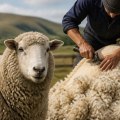
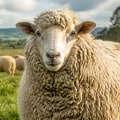
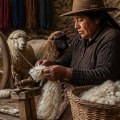
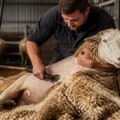
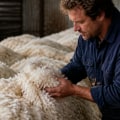
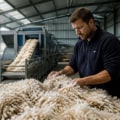
The textile industry is a cornerstone of global commerce, and at its heart lies the essential process of wool production. Wool, derived from sheep, has been a favored material for centuries due to its unique properties, including warmth, durability, and versatility. As consumers increasingly seek sustainable and natural fibers, the importance of wool has surged, making it a vital component in the production of high-quality textiles. Wool's inherent qualities not only contribute to its popularity but also play a significant role in the overall fabric of the textile industry. The ability to dye and color wool fibers enhances its appeal, allowing for a wide range of applications from fashion to home furnishings.
This adaptability is crucial in meeting the diverse demands of consumers who value both aesthetics and functionality in their textile choices. Moreover, the process of dyeing and coloring wool fibers is an art form that reflects the rich heritage of textile craftsmanship. It involves intricate techniques that can transform raw wool into vibrant, eye-catching materials. As we delve deeper into the specifics of dyeing processes, it becomes clear that understanding wool production is not just about the fiber itself but also about how it can be manipulated to create stunning visual effects that resonate with modern consumers.
Overview of Wool Fibers
Wool fibers are a natural textile derived from the fleece of sheep and other animals, such as goats (cashmere and mohair), rabbits (angora), and alpacas. The properties of wool make it a unique and versatile material, ideal for various applications in the textile industry.There are several types of wool, each with distinct characteristics that influence their dyeing process:- Merino Wool: Known for its fine texture and softness, Merino wool is highly sought after for garments that require comfort against the skin.
Its fine fibers absorb dye well, resulting in vibrant colors.
- Shetland Wool: This type is coarser and often used in traditional knitwear. Its natural oils can affect dye uptake, leading to more muted tones unless pre-treated.
- Cormo Wool: A crossbreed of Merino and Corriedale, Cormo wool combines softness with durability. It dyes easily, producing rich hues that maintain their vibrancy over time.
- Alpaca Wool: While not technically sheep wool, alpaca fibers are prized for their warmth and luster. They can be dyed effectively but may require specific dyes to achieve the best results.
The crimp allows for better dye penetration, while the moisture content can enhance or inhibit color absorption. Additionally, the presence of lanolin in some wool types can create challenges during the dyeing process, necessitating careful preparation to ensure even color distribution.Understanding these factors is crucial for achieving desired outcomes in wool production. By selecting the appropriate type of wool and employing suitable dyeing techniques, artisans can create stunning textiles that showcase the inherent beauty of this natural fiber.
The Dyeing Process: An Introduction
The dyeing process for wool fibers is a fascinating journey that transforms raw, natural materials into vibrant, colorful textiles. Understanding this process is essential for anyone involved in wool production, whether for crafting, fashion, or industrial applications.At its core, the dyeing process involves several key steps:- Preparation: Before dyeing, wool fibers must be thoroughly cleaned and scoured to remove any impurities such as grease, dirt, or residual chemicals.
This ensures that the dye adheres evenly and effectively.
- Choosing the Dye: Dyes can be natural or synthetic. Natural dyes are derived from plants, insects, or minerals, while synthetic dyes offer a broader range of colors and consistency. The choice of dye affects not only the final color but also the environmental impact of the dyeing process.
- Dyeing Techniques: There are various techniques used in dyeing wool:
- Immersion Dyeing: This method involves submerging the wool in a dye bath, allowing the fibers to absorb color evenly.
- Hand Painting: For more artistic applications, hand painting allows for intricate designs and patterns on the wool.
- Space Dyeing: This technique creates a variegated effect by applying multiple colors in sections, resulting in a unique appearance.
- Setting the Dye: After dyeing, it is crucial to set the color to prevent fading. This often involves rinsing the wool in a solution that helps fix the dye to the fibers.
- Finishing: Finally, the dyed wool may undergo additional treatments such as softening or conditioning to enhance its texture and usability.
By mastering various dyeing techniques, producers can create unique products that stand out in a competitive marketplace.
Types of Dyes Used for Wool
When it comes to dyeing wool fibers, the choice of dye can significantly impact the final appearance and quality of the wool. There are two primary categories of dyes used in the wool production process: natural dyes and synthetic dyes.Natural Dyes
Natural dyes are derived from plants, minerals, and insects, making them an eco-friendly option for dyeing wool. These dyes have been used for centuries and are known for their rich, earthy tones. Some common sources of natural dyes include:- Plants: Leaves, roots, and flowers can produce a variety of colors.
For example, indigo from the indigo plant yields a deep blue, while madder root provides shades of red.
- Minerals: Certain minerals can create vibrant colors; for instance, iron can produce grays and blacks.
- Insects: Cochineal, derived from scale insects, is famous for its bright red dye.
Synthetic Dyes
Synthetic dyes, on the other hand, are chemically manufactured and offer a wide range of vibrant colors that are often more consistent than their natural counterparts. These dyes are favored in commercial wool production due to their:- Colorfastness: Synthetic dyes tend to be more resistant to fading over time.
- Variety: They provide a broader spectrum of colors that can be achieved with precision.
- Cost-effectiveness: Generally, synthetic dyes are less expensive to produce and apply than natural dyes.
Preparing Wool for Dyeing
Preparing wool for dyeing is a crucial step in the wool production process, ensuring that the fibers are clean and ready to absorb color effectively. This preparation typically involves two main processes: scouring and mordanting.Scouring Wool
The first step in preparing wool for dyeing is scouring, which removes natural oils, dirt, and any contaminants from the fibers.This process is essential because impurities can hinder the dyeing process and affect the final color quality. Scouring usually involves the following steps:
- Washing: Wool is washed in warm water with a mild detergent or soap to loosen and remove grease and dirt.
- Rinsing: After washing, the wool is thoroughly rinsed to eliminate any soap residue, which can interfere with dye absorption.
- Drying: The cleaned wool is then air-dried or gently spun to remove excess water, preparing it for the next stage.
Mordanting Wool
Once the wool has been scoured, the next step is mordanting. This process involves treating the fibers with a mordant, a substance that helps fix the dye to the wool. Mordants can enhance color vibrancy and improve colorfastness.Common mordants include alum, tannin, and iron. The mordanting process generally includes:
- Selecting a Mordant: Choose a mordant based on the desired color outcome and fiber type.
- Dissolving the Mordant: The mordant is dissolved in water, creating a solution that will be used to treat the wool.
- Soaking the Wool: The scoured wool is soaked in the mordant solution for a specified period, allowing it to absorb the mordant evenly.
- Rinsing Again: After mordanting, the wool is rinsed again to remove any excess mordant before dyeing.
Step-by-Step Guide to Dyeing Wool Fibers
Dyeing wool fibers can be a rewarding and creative process, allowing you to transform plain wool into vibrant, colorful materials. Here’s a step-by-step guide to help you dye wool at home or in a workshop setting.- Gather Your Materials: Before you start, ensure you have all the necessary materials. You will need:
- Wool fibers (preferably clean and scoured)
- Dye (natural or synthetic)
- Water
- A large pot for dyeing
- Stirring utensil (wooden or stainless steel)
- Measuring cups and spoons
- Gloves to protect your hands
- Vinegar or salt (for setting the dye)
- Prepare the Wool: If using raw wool, make sure it is clean.
Soak the wool in warm water with a bit of detergent for about 30 minutes, then rinse thoroughly.
- Prepare the Dye: Follow the instructions for your chosen dye. For natural dyes, you may need to extract color from plants or other materials. For synthetic dyes, dissolve them in hot water according to package instructions.
- Dyeing Process: Fill your pot with enough water to submerge the wool completely. Heat the water until it is just below boiling, then add the dye.
Stir well to ensure even distribution.
- Add the Wool: Carefully place the wet wool into the dye bath. Stir gently to avoid felting. Maintain a low simmer for 30 minutes to an hour, depending on how deep you want the color to be.
- Set the Color: After achieving your desired shade, remove the pot from heat. Add vinegar or salt to help set the dye (about 1 cup of vinegar or 1/4 cup of salt per gallon of water).
Let it sit for another 30 minutes.
- Rinse and Dry: Rinse the dyed wool in cool water until it runs clear. Gently squeeze out excess water without wringing. Lay flat on a towel to dry away from direct sunlight.
Common Challenges in Dyeing Wool and How to Overcome Them
Dyeing wool can be a rewarding yet challenging process, as several factors can affect the final outcome.Understanding these common challenges and knowing how to troubleshoot them is essential for achieving vibrant and consistent colors.
Inconsistent Color Results
One of the most frequent issues encountered in dyeing wool is inconsistent color results. This can occur due to variations in the wool's fiber type, dye concentration, or even the temperature of the dye bath. To overcome this challenge:- Test Swatches: Always create test swatches before dyeing larger batches. This allows you to see how the wool reacts to the dye.
- Maintain Consistency: Ensure that the dye bath temperature and concentration are consistent throughout the process.
- Use Quality Dyes: Invest in high-quality dyes that are specifically formulated for wool to achieve better results.
Felted Wool
Another common problem is felting, which occurs when wool fibers tangle and shrink during the dyeing process.This can happen if the wool is agitated too much or exposed to high temperatures. To prevent felting:
- Gentle Handling: Handle the wool gently and avoid excessive agitation.
- Control Temperature: Keep the dye bath at a stable, moderate temperature.
- Use a Dyeing Agent: Consider using a mild acid or a specialized dyeing agent that helps prevent felting.
Dye Absorption Issues
Dye absorption can also pose challenges, particularly if the wool has not been prepped correctly. If the fibers are not clean or have residual oils, they may not absorb dye evenly. To ensure proper absorption:- Pre-Wash Wool: Always wash your wool thoroughly before dyeing to remove any impurities.
- Use Mordants: Applying mordants can help improve dye uptake and enhance colorfastness.
Caring for Dyed Wool Products
Caring for dyed wool products is essential to maintain their vibrancy and extend their lifespan.Proper maintenance not only preserves the color but also enhances the overall quality of the wool fibers.
Washing Dyed Wool
- Always check the care label for specific washing instructions.
- Use cold water and a gentle detergent specifically designed for wool.
- Avoid using bleach or fabric softeners, as these can damage the fibers and alter the dye.
- Hand washing is often recommended; gently agitate the water without wringing or twisting the wool.
- If machine washing is necessary, use a wool cycle with low spin settings.
Drying Dyed Wool
- Never wring out dyed wool products; instead, lay them flat on a clean towel to absorb excess water.
- Reshape the item while it’s damp to maintain its original form.
- Avoid direct sunlight and heat sources when drying, as these can cause fading and shrinkage.
Storing Dyed Wool Products
- Store in a cool, dry place away from direct sunlight to prevent color fading.
- Use breathable storage bags or containers to protect against dust and pests.
- Avoid hanging wool items, as this can stretch the fibers; instead, fold them neatly.
Regular Maintenance
- Brush your dyed wool products gently with a soft brush to remove any lint or pilling.
- If you notice any stains, treat them promptly with a mild stain remover suitable for wool.
- Consider professional cleaning for larger items like blankets or rugs to ensure they are handled properly.
FAQs About Dyeing and Coloring Wool Fibers
When it comes to dyeing and coloring wool fibers, many enthusiasts and producers have questions about the best practices and techniques. Here are some frequently asked questions that can help clarify the process.What types of dyes are used for wool?
Wool can be dyed using a variety of dyes, including:- Natural Dyes: These are derived from plants, insects, and minerals. They are often favored for their eco-friendliness and unique color variations.
- Synthetic Dyes: These are man-made and provide a wider range of vibrant colors.
They tend to be more consistent in hue and often require less dyeing time.
- Acid Dyes: Commonly used for protein fibers like wool, these dyes require an acidic environment to bond effectively with the fibers.
How do I prepare wool for dyeing?
Preparation is key to achieving vibrant colors. Here are the steps:- Wash the Wool: Remove any grease or dirt by washing the wool in warm water with a gentle detergent.
- Scour the Wool: This step involves soaking the wool in a solution that helps remove any remaining impurities.
- Mordanting: If using natural dyes, mordanting is essential. This process involves treating the wool with a mordant to help the dye adhere better.
Can I dye wool at home?
Yes, dyeing wool at home is entirely feasible! With the right materials and safety precautions, you can create beautiful colors. Make sure to:- Select a well-ventilated area.
- Use gloves to protect your hands from stains.
- Follow specific instructions for the type of dye you choose.
What is the best method for coloring wool fibers?
The best method depends on your desired outcome.Some popular techniques include:
- Kettle Dyeing: Involves immersing wool in a pot of dye solution on a heat source.
- Hand Painting: Allows for creative control by applying dye directly onto the fibers.
- Skein Dyeing: Ideal for achieving uniform color across skeins of yarn.
Conclusion: The Art of Dyeing Wool Fibers in Modern Production
In conclusion, the process of dyeing and coloring wool fibers is not merely a technical procedure but an art form that has evolved alongside wool production. Understanding this intricate process is essential for anyone involved in the textile industry, from producers to consumers. The journey of wool from sheep to finished product involves several critical stages, each contributing to the final quality and appearance of the dyed fibers. The choice of dye, whether natural or synthetic, plays a significant role in determining the vibrancy and durability of the color. Additionally, factors such as the type of wool, dyeing method, and post-dyeing treatments can greatly influence the outcome. Moreover, as sustainability becomes increasingly important in modern production practices, many producers are turning to eco-friendly dyes and methods.This shift not only enhances the environmental responsibility of wool production but also appeals to a growing market of conscious consumers. Ultimately, mastering the art of dyeing wool fibers is crucial for maintaining high standards in wool production. It allows producers to create unique and high-quality products that meet consumer demands while preserving traditional techniques. As we move forward, embracing innovation in dyeing processes will be key to ensuring that wool remains a sought-after material in the textile industry.