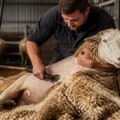
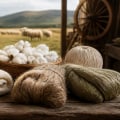
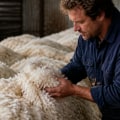
Wool production is a vital component of the textile industry, encompassing a range of processes that transform raw fleece into luxurious fabrics. The journey begins on sheep farms, where various breeds are raised specifically for their wool quality. Each breed produces different types of wool, such as Merino, known for its fine fibers, and Shetland, which offers a coarser texture. Understanding these distinctions is crucial, as they directly influence the market dynamics and the types of products that can be developed. The wool industry is not just about the raw material; it involves a complex supply chain that includes shearing, cleaning, spinning, and dyeing.
Each step requires expertise and precision to ensure that the final product meets the high standards expected by consumers. As demand for luxury and designer wool products grows, so does the need for sustainable practices within this sector. This shift towards sustainability is reshaping how wool is produced and marketed, making it essential for producers to adapt to changing consumer preferences. Moreover, the increasing popularity of luxury wool products has led to a surge in innovation within the industry. Producers are now exploring advanced techniques in processing and blending different types of wool to create unique textures and finishes that appeal to high-end markets.
This evolution not only enhances the quality of wool products but also elevates the overall perception of wool as a premium material. As we delve deeper into how luxury demand impacts wool production, it becomes clear that understanding these foundational elements is key to grasping the broader implications for the industry.
The Rise of Luxury and Designer Wool Products
The demand for luxury and designer wool products has seen a significant surge in recent years, driven by evolving consumer preferences and a growing appreciation for high-quality materials. As sustainability becomes a key concern for many shoppers, wool's natural properties—such as its biodegradability and renewable nature—make it an attractive choice for luxury brands aiming to appeal to eco-conscious consumers.One of the most notable trends in the luxury wool market is the rise of designer collaborations. High-end fashion houses are increasingly partnering with renowned wool producers to create exclusive collections that highlight the unique qualities of wool.These collaborations not only elevate the status of wool but also introduce innovative designs that captivate fashion enthusiasts.
- Market Growth: The global market for luxury wool products is projected to grow significantly, with analysts predicting a compound annual growth rate (CAGR) of over 5% in the coming years. This growth is fueled by rising disposable incomes and a shift towards premium products.
- Consumer Preferences: Today's consumers are more discerning than ever, seeking out products that offer both style and substance. Luxury wool items, such as tailored suits, high-end knitwear, and artisanal accessories, are increasingly favored for their durability and timeless appeal.
- Designer Wool Trends: Current trends include oversized silhouettes, intricate textures, and bold colors, all of which showcase the versatility of wool. Designers are experimenting with blends that incorporate other fibers while maintaining the luxurious feel that wool is known for.
The emphasis on quality, sustainability, and unique design will likely shape the future of wool production, encouraging producers to innovate and adapt to meet these new expectations.
Economic Impact of Luxury Wool Demand on the Industry
The demand for luxury wool products has a profound impact on the economic landscape of the wool industry. As consumers increasingly seek high-quality, sustainable materials, the market for luxury wool has expanded significantly, leading to notable changes in pricing, production levels, and overall profitability.Pricing Dynamics
- The rise in demand for luxury wool has driven prices upward. Premium brands often pay higher prices for superior quality wool, which incentivizes farmers to focus on producing finer fibers.
- This price increase not only benefits producers but also reflects the growing consumer willingness to invest in high-quality, sustainable products.
- In response to the heightened demand, many wool producers are adapting their practices to enhance quality. This includes investing in better breeding techniques and sustainable farming practices.
- As a result, there is a noticeable shift towards smaller-scale, artisanal production methods that prioritize quality over quantity.
- The profitability of wool producers has seen a positive trend due to the luxury market's expansion.
Higher prices for premium products allow farmers to achieve better margins.
- Market analysis indicates that brands focusing on sustainability and ethical sourcing are gaining traction, further driving demand for luxury wool.
Sustainability Concerns in Luxury Wool Production
The demand for luxury and designer wool products has brought sustainability concerns to the forefront of the wool production industry. As consumers become more environmentally conscious, they are increasingly seeking sustainable wool production practices that minimize ecological impact while ensuring high-quality products.One of the primary issues in luxury wool production is the environmental footprint associated with traditional farming methods. The intensive grazing practices often lead to land degradation, soil erosion, and loss of biodiversity.To address these challenges, many brands are now adopting eco-friendly luxury products that prioritize regenerative agriculture techniques. These methods not only enhance soil health but also promote carbon sequestration, making wool production more sustainable.Moreover, ethical sourcing has become a critical factor for consumers when choosing luxury wool items. Shoppers are increasingly interested in knowing where their products come from and how the animals are treated. This shift has prompted many companies to implement transparent supply chains and adhere to strict animal welfare standards.
For instance, brands that participate in the Responsible Wool Standard (RWS) ensure that their wool is sourced from farms that practice humane treatment of sheep and sustainable land management.In addition to ethical sourcing, the use of recycled materials in luxury wool products is gaining traction. By incorporating recycled wool into their collections, brands can reduce waste and lessen their reliance on virgin materials. This not only appeals to eco-conscious consumers but also aligns with broader sustainability goals within the fashion industry.As the demand for luxury wool products continues to rise, it is essential for producers to embrace sustainable practices that address both environmental and ethical concerns. By prioritizing sustainable wool production, brands can meet consumer expectations while contributing positively to the planet.
Consumer Behavior and Preferences in Luxury Wool Products
Understanding consumer behavior in the luxury wool market is essential for brands aiming to thrive in this competitive landscape.Recent market research indicates that consumers are increasingly drawn to luxury wool products due to their perceived quality, sustainability, and exclusivity.
Quality
remains a top priority for consumers when selecting luxury wool items. Shoppers often associate high-quality wool with durability and comfort, making it a preferred choice for premium apparel. Brands that emphasize the superior qualities of their wool, such as softness and warmth, can effectively attract discerning customers.Another significant factor influencing buying behavior is the growing awareness of sustainability. Many consumers are now prioritizing eco-friendly products, leading them to seek out brands that practice ethical sourcing and production methods.Luxury wool brands that highlight their commitment to sustainable practices—such as using responsibly sourced materials or supporting local farmers—can resonate well with environmentally conscious shoppers.
- Exclusivity: Limited edition collections or unique designs can create a sense of urgency and desirability among consumers.
- Brand Heritage: Brands with a rich history or a strong narrative often attract consumers who value tradition and craftsmanship.
- Social Influence: The impact of social media and influencers cannot be underestimated; endorsements from trusted figures can significantly sway purchasing decisions.
Challenges Facing the Wool Industry Amidst Luxury Demand
The rising demand for luxury and designer wool products has introduced a myriad of challenges for the wool industry.As consumers increasingly seek high-quality, sustainable materials, the pressure on producers to meet these expectations intensifies.
Supply Chain Issues
- One of the most significant challenges is the complexity of the supply chain. The journey from sheep to finished product involves multiple stages, including shearing, processing, and distribution. Each step must maintain high standards to satisfy luxury market demands.
- Additionally, fluctuations in raw wool prices can disrupt production schedules and profitability. Producers often face uncertainty regarding the availability of high-quality wool, which can lead to delays and increased costs.
Increased Competition
- The luxury market is becoming increasingly competitive, with numerous brands vying for consumer attention.
This competition can lead to price wars, where brands undercut each other to attract buyers, ultimately affecting profit margins for producers.
- Moreover, the rise of alternative materials, such as synthetic fibers and blends, poses a threat to traditional wool products. As brands innovate with these alternatives, they may inadvertently diminish the perceived value of pure wool.
Future Trends in Wool Production Linked to Luxury Demand
The demand for luxury and designer wool products is poised to significantly shape the future of wool production. As consumers increasingly seek high-quality, sustainable materials, the wool industry is adapting to meet these evolving preferences.Innovation in Textile Technology
- Smart textiles: The integration of technology into wool production is becoming more prevalent.
Innovations such as moisture-wicking and temperature-regulating properties are enhancing the appeal of wool in luxury markets.
- Sustainable practices: With a growing emphasis on sustainability, producers are investing in eco-friendly farming and processing methods. This not only meets consumer demand but also positions brands as responsible players in the luxury market.
- Advanced dyeing techniques: New dyeing technologies that reduce water usage and chemical waste are being adopted, allowing for vibrant colors without compromising environmental integrity.
Market Predictions
As the luxury sector continues to expand, predictions indicate a steady increase in wool production to satisfy this niche market. Analysts forecast that by 2030, the global demand for luxury wool products will grow by over 20%, driven by both fashion trends and a shift towards sustainable luxury.Furthermore, consumer behavior is shifting towards valuing quality over quantity. This trend suggests that buyers are willing to invest in premium wool products that offer durability and timeless style, rather than fast fashion alternatives.
As a result, brands focusing on craftsmanship and heritage are likely to thrive.In conclusion, the intersection of luxury demand and wool production is paving the way for a more innovative and sustainable future. By embracing technological advancements and responding to consumer preferences, the wool industry can not only survive but flourish in an increasingly competitive market.
FAQs About Luxury Wool Products and Industry Impact
As the demand for luxury and designer wool products continues to rise, several questions often arise regarding their impact on the wool industry. Here are some frequently asked questions that provide clarity on this topic.- What defines luxury wool products?
Luxury wool products are typically made from high-quality fibers sourced from specific breeds of sheep, such as Merino or Cashmere goats. These products are characterized by their softness, durability, and superior craftsmanship, often resulting in higher price points. - How does consumer demand affect wool production?
The increasing consumer interest in luxury wool has led to a surge in production efforts.Farmers and producers are adapting their practices to meet this demand, focusing on sustainable and ethical farming methods to appeal to environmentally conscious consumers.
- Are luxury wool products more sustainable?
While not all luxury wool products are created equal, many brands prioritize sustainability by sourcing from farms that practice responsible grazing and animal welfare. This shift is crucial as consumers become more aware of the environmental impact of their purchases. - What challenges does the luxury wool market face?
The luxury wool market faces challenges such as fluctuating prices, competition from synthetic fibers, and the need for transparency in sourcing. These factors can influence both production levels and consumer trust. - How can consumers ensure they are buying genuine luxury wool?
Consumers should look for certifications or labels that indicate the product's origin and quality. Additionally, researching brands that emphasize ethical sourcing can help ensure that they are purchasing authentic luxury wool products.
Conclusion: The Future of Wool Production in a Luxury Market
As we reflect on the evolving landscape of wool production, it is evident that the demand for luxury and designer wool products is reshaping the industry in profound ways.The increasing consumer preference for high-quality, sustainable materials has led to a resurgence in the popularity of wool, particularly in the luxury segment.One of the most significant implications of this trend is the emphasis on sustainability. Luxury brands are increasingly prioritizing ethical sourcing and environmentally friendly practices, which has prompted wool producers to adopt more sustainable farming methods. This shift not only benefits the environment but also enhances the appeal of wool as a premium product.Moreover, the demand for luxury wool products has spurred innovation within the industry. Producers are investing in advanced technologies to improve wool quality and processing efficiency.
This includes everything from genetic advancements in sheep breeding to innovative spinning and weaving techniques that enhance the softness and durability of wool fabrics.
- Market Growth: The luxury market for wool is expected to grow significantly, driven by rising disposable incomes and a growing appreciation for artisanal craftsmanship.
- Consumer Education: As consumers become more informed about the benefits of wool, including its natural properties and sustainability, they are more likely to invest in high-end wool products.
- Global Trends: The influence of global fashion trends continues to elevate the status of wool, making it a sought-after material in luxury collections worldwide.