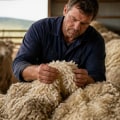
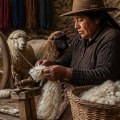
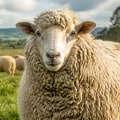
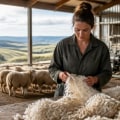
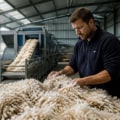
The importance of wool production extends far beyond the simple act of shearing sheep; it plays a crucial role in both agriculture and the textile industry. Wool is a natural fiber that has been utilized for thousands of years, prized for its unique properties such as insulation, moisture-wicking, and durability. As a renewable resource, wool production not only supports sustainable farming practices but also contributes significantly to the economy, providing livelihoods for millions of farmers and workers worldwide. In addition to its economic impact, the wool industry is vital for promoting biodiversity and maintaining healthy ecosystems. Sheep grazing can help manage land effectively, preventing overgrowth and supporting various plant species.
Furthermore, wool is biodegradable and can be recycled, making it an environmentally friendly choice compared to synthetic fibers. This aligns with the growing consumer demand for sustainable and ethically sourced materials. The benefits of wool are numerous; it is naturally flame-resistant, hypoallergenic, and offers excellent thermal regulation. These qualities make it a preferred choice for a wide range of products, from clothing to home textiles. As we delve deeper into the process of shearing sheep for wool production, it becomes clear that this practice is not just about harvesting fiber but also about fostering a sustainable relationship between agriculture and industry.
What is Shearing?
Shearing is the process of removing the fleece, or wool, from sheep.This practice is essential for wool production, as it not only provides the raw material for various textile products but also promotes the health and well-being of the sheep. Without regular shearing, sheep can suffer from overheating and skin diseases due to the excessive buildup of wool.The shearing process typically occurs once a year, usually in the spring, when temperatures begin to rise. This timing is crucial as it allows the sheep to remain comfortable during the warmer months. The shearing itself is performed by skilled shearers who use specialized equipment, such as electric clippers, to efficiently and safely remove the fleece.During shearing, the shearer carefully holds the sheep in a position that minimizes stress and injury.
The fleece is removed in one continuous piece, which is important for maintaining its quality. After shearing, the fleece is often sorted based on its quality and cleanliness, as these factors significantly influence its market value.
- Benefits of Shearing:
- Health: Regular shearing helps prevent overheating and skin issues.
- Wool Quality: Proper shearing techniques ensure high-quality fleece for production.
- Animal Welfare: Reduces stress on sheep by maintaining their comfort.
The Shearing Process: Step-by-Step
The process of shearing sheep for wool production is a meticulous task that requires skill and care. Below, we outline the essential steps involved in this important agricultural practice.- Preparation: Before shearing begins, it is crucial to prepare both the sheep and the environment.
Ensure that the shearing area is clean and dry to prevent any contamination of the wool. The sheep should be healthy, free from parasites, and ideally shorn in a calm environment to reduce stress.
- Gathering Tools: The primary tool for shearing is an electric or manual shearer. Additionally, you will need a set of combs and cutters, as well as a wool bag for collecting the fleece. Having all tools ready ensures a smooth workflow.
- Positioning the Sheep: Proper positioning is vital for effective shearing.
The sheep should be placed on its back or side, which allows easy access to the fleece while keeping the animal calm. This position also helps prevent injury to both the sheep and the shearer.
- Shearing Technique: Start shearing from the belly and move towards the back legs, using long, smooth strokes. It’s important to maintain a consistent angle to avoid cutting the skin. As you shear, keep an eye on the fleece quality; aim for a single piece of wool without breaks.
- Collecting Wool: Once sheared, carefully remove the fleece from the sheep and place it in a wool bag.
Ensure that the wool is free from contaminants like dirt or vegetable matter, as this can affect its quality during processing.
- Post-Shearing Care: After shearing, check the sheep for any cuts or injuries. Apply antiseptic if necessary and ensure they are returned to a comfortable environment with adequate food and water.
Tools and Equipment Used in Shearing
Shearing sheep for wool production requires a variety of specialized tools and equipment to ensure the process is efficient, safe, and humane. Understanding these tools is essential for anyone involved in the wool industry.Essential Sheep Shearing Tools
- Shearing Handpieces: The primary tool used in the shearing process, handpieces are electric or pneumatic devices equipped with sharp blades that cut through the fleece.
They come in various sizes and styles to accommodate different sheep breeds and fleece types.
- Shearing Blades: These are the replaceable cutting components of the handpiece. High-quality blades are crucial for a clean cut and minimizing stress on the animal.
- Comb and Cutter Sets: The comb is fixed to the handpiece, while the cutter moves back and forth to shear the wool. Proper maintenance of these components is vital for effective shearing.
Additional Equipment for Wool Production
- Shearing Tables: These tables provide a stable surface for shearing, allowing shearers to work efficiently while keeping the sheep secure and comfortable.
- Wool Packs: After shearing, wool is collected and stored in wool packs. These bags are designed to protect the fleece from contamination and damage during transport.
- Protective Gear: Shearers often wear gloves, aprons, and boots to protect themselves from cuts and injuries while handling sheep.
Shearing Machinery
In larger operations, shearing machinery may be employed to increase efficiency.Automated shearing systems can handle multiple sheep simultaneously, significantly reducing labor costs and time. However, these machines require skilled operators to ensure they are used safely and effectively.The choice of tools and equipment can greatly impact both the quality of the wool produced and the welfare of the sheep. Properly maintained tools not only enhance productivity but also contribute to a more humane shearing experience, ensuring that both shearers and sheep are treated with care throughout the process.
Best Practices for Shearing Sheep
Shearing sheep is a critical process in wool production, and implementing best practices ensures both the quality of the wool and the welfare of the sheep. Here are some essential guidelines to follow:- Timing is Key: Shearing should be done at the right time of year, typically in late spring or early summer, when temperatures are warmer.
This helps prevent sheep from becoming too cold after their fleece is removed.
- Proper Equipment: Use well-maintained, sharp shears to minimize stress and discomfort for the sheep. Dull blades can cause pulling and irritation, leading to a negative experience for both the animal and the shearer.
- Calm Environment: Create a calm and quiet shearing environment. Stress can negatively impact wool quality and the overall health of the sheep. Handling them gently and speaking softly can help keep them relaxed.
- Sheep Positioning: Properly position the sheep during shearing to ensure safety for both the animal and the shearer.
Sheep should be held securely but gently, allowing for easy access to their fleece without causing distress.
- Ethical Shearing Methods: Employ ethical shearing techniques that prioritize animal welfare. This includes avoiding any unnecessary roughness and ensuring that all cuts are clean to prevent injury.
- Post-Shearing Care: After shearing, provide immediate care to the sheep. Check for any injuries or skin irritations, and ensure they have access to food, water, and shelter from harsh weather conditions.
Post-Shearing Care for Sheep
After the shearing process, it is crucial to provide proper care for sheep to ensure their health and maintain the quality of future wool production.The following guidelines can help farmers and sheep owners manage their flock effectively post-shearing.
Immediate Post-Shearing Care
Once the sheep have been shorn, they may feel vulnerable due to the loss of their fleece. It is essential to:- Provide Shelter: Ensure that sheep have access to a sheltered area to protect them from harsh weather conditions, such as rain or extreme sun exposure.
- Monitor Temperature: Keep an eye on the temperature, as shorn sheep can easily become cold. Providing bedding or heat lamps in colder climates can help.
- Check for Injuries: Inspect each sheep for any cuts or abrasions that may have occurred during shearing. Treat any injuries promptly to prevent infection.
Nutritional Needs
Post-shearing, sheep may require adjustments in their diet to support recovery and wool regrowth:- Increase Energy Intake: Provide a balanced diet rich in energy and protein to help sheep regain strength and promote healthy wool growth.
- Hydration: Ensure that fresh water is always available, as hydration is vital for overall health and wool quality.
Health Monitoring
Regular health checks are essential after shearing:- Observe Behavior: Watch for any signs of distress or illness, such as lethargy or changes in eating habits.
- Vaccinations and Deworming: Ensure that sheep are up-to-date on vaccinations and deworming schedules to prevent disease outbreaks.
Proper care not only supports the immediate health of the flock but also contributes to sustainable farming practices that benefit both animals and producers alike.
The Role of Shearers in Wool Production
The process of wool production relies heavily on the expertise of skilled shearers. These professionals play a crucial role in ensuring that sheep are shorn efficiently and humanely, which directly impacts the quality and quantity of wool harvested. A proficient shearer not only removes the fleece but also minimizes stress for the animal, which is essential for both the sheep's well-being and the quality of the wool.Importance of Skilled Shearers
- Quality Control: Experienced shearers can identify the best time to shear, ensuring that the wool is at its prime. This timing affects the fiber's strength and overall quality.
- Animal Welfare: Skilled shearers are trained to handle sheep gently, reducing the risk of injury to both the animal and themselves during the shearing process.
- Efficiency: Professional shearers can complete the task quickly, which is vital during peak shearing seasons when time is of the essence.
Training and Certification for Shearers
To become a professional shearer, individuals typically undergo rigorous training programs that cover various aspects of shearing techniques, animal handling, and safety protocols.
Many regions offer certification courses that not only teach practical skills but also emphasize ethical practices in wool production.Some key components of shearer training include:
- Hands-On Experience: Trainees often work alongside experienced shearers to gain practical knowledge and develop their skills in a real-world setting.
- Theoretical Knowledge: Understanding sheep anatomy, wool characteristics, and shearing equipment is essential for effective shearing.
- Health and Safety Training: Proper techniques to avoid injuries to both sheep and shearers are emphasized throughout training programs.
Environmental Impact of Wool Production
The environmental impact of wool production is a critical consideration in today’s eco-conscious world. While wool is a natural and biodegradable fiber, the methods used in its production can significantly affect the environment.Understanding these impacts is essential for promoting sustainable practices within the industry.One of the primary concerns associated with wool production is land use. Sheep farming requires substantial grazing land, which can lead to overgrazing if not managed properly. This can result in soil degradation, loss of biodiversity, and increased carbon emissions. To mitigate these effects, farmers are encouraged to adopt sustainable wool practices such as rotational grazing.
This method allows pastures to recover and maintain their ecological balance.Another important aspect is water usage. Sheep require significant amounts of water for drinking and for maintaining healthy pastures. In regions where water scarcity is an issue, implementing eco-friendly sheep farming techniques, such as rainwater harvesting and efficient irrigation systems, can help reduce the overall water footprint of wool production.Furthermore, the use of chemicals in sheep farming, including pesticides and fertilizers, poses risks to both the environment and human health. Organic wool production offers a solution by eliminating synthetic chemicals and promoting natural alternatives that enhance soil health and biodiversity.In addition to these practices, consumers can play a role in supporting sustainable wool production by choosing products certified by organizations that promote ethical and environmentally friendly practices.
By prioritizing brands that adhere to sustainable standards, consumers can help drive demand for more responsible wool production methods.In conclusion, while wool production has its environmental challenges, adopting sustainable practices can significantly reduce its impact. By focusing on responsible land management, efficient water use, and organic farming methods, the wool industry can move towards a more sustainable future.
Frequently Asked Questions about Sheep Shearing and Wool Production
Sheep shearing is a crucial aspect of wool production, and many people have questions about the process, its impact on the sheep, and common misconceptions. Here are some frequently asked questions that can help clarify these topics.What is the best time of year to shear sheep?
The optimal time for shearing sheep is typically in the spring, just before the warmer months. This timing allows the sheep to remain comfortable as temperatures rise and ensures that the wool is harvested at its peak quality.Does shearing hurt the sheep?
No, when done correctly by a trained professional, shearing does not hurt the sheep.In fact, it can be beneficial as it helps prevent overheating and reduces the risk of skin infections caused by excessive wool.
How often should sheep be sheared?
Most sheep are sheared once a year, but some breeds may require shearing twice a year depending on their wool growth rate. Regular shearing is essential for maintaining the health and comfort of the sheep.What are some common myths about sheep shearing?
- Myth: Shearing is cruel and unnecessary.
- Fact: Shearing is a necessary practice for the health of the sheep and is done with care.
- Myth: All wool is produced in the same way.
- Fact: Different breeds of sheep produce different types of wool, each with unique qualities and uses.
Conclusion: The Future of Wool Production and Shearing Practices
As we reflect on the process of shearing sheep for wool production, it becomes clear that this age-old practice is not only essential for the welfare of the sheep but also for the sustainability of the wool industry. The careful techniques employed by skilled shearers ensure that the sheep are treated humanely while maximizing the quality and quantity of wool harvested.Looking ahead, several trends are shaping the future of wool production and shearing practices:- Technological Advancements: Innovations in shearing equipment and techniques are making the process more efficient and less stressful for the animals.
Automated shearing machines are being developed, which could revolutionize how wool is harvested.
- Sustainability Focus: With increasing consumer awareness about sustainability, there is a growing demand for ethically sourced wool. Farmers are adopting more sustainable practices, including rotational grazing and organic farming methods, to meet this demand.
- Animal Welfare Standards: The industry is seeing a shift towards stricter animal welfare regulations. Ensuring that sheep are well cared for during the shearing process is becoming a priority, which will likely enhance public perception of wool as a natural fiber.
- Market Diversification: As fashion trends evolve, there is an increasing interest in diverse wool products beyond traditional uses. This includes eco-friendly textiles and innovative blends that appeal to environmentally conscious consumers.
By embracing these changes, the wool industry can continue to thrive while meeting the needs of both consumers and sheep alike.