Wool production is a vital component of the global textile industry, providing a natural and versatile fiber that has been utilized for centuries. This process involves the shearing of sheep, which are raised specifically for their wool, and the subsequent processing of this raw material into various products, including clothing, blankets, and carpets. The significance of wool production extends beyond mere economic factors; it also encompasses cultural traditions and sustainable practices that have evolved over time. As consumers become increasingly aware of the implications of their purchasing decisions, the wool industry faces growing scrutiny regarding its practices. Understanding wool production requires an examination of not only the methods used to harvest this valuable resource but also the ethical considerations surrounding animal welfare.
The treatment of sheep in the wool industry is a critical issue that raises questions about humane practices and sustainability. In recent years, there has been a shift towards more responsible sourcing within the wool sector, with many producers adopting standards that prioritize animal welfare. This evolution reflects a broader trend in the textile industry where consumers demand transparency and ethical considerations in their products. As we delve deeper into the complexities of wool production, it becomes essential to explore how these animal welfare concerns are shaping the future of this age-old industry.
The Lifecycle of Sheep in Wool Production
The lifecycle of sheep in wool production is a critical aspect that directly influences animal welfare. Understanding this lifecycle helps to ensure that ethical practices are followed throughout the process.Breeding and Raising
- Sheep are typically bred for specific traits, including wool quality, health, and temperament.
Responsible breeders prioritize the well-being of the animals, ensuring they are raised in humane conditions.
- Young lambs are born in spring, a season that provides favorable weather for their growth. During this time, they rely heavily on their mothers for nutrition and warmth.
Growth and Care
- As lambs grow, they require proper nutrition and veterinary care to thrive. Farmers who prioritize animal welfare provide balanced diets and regular health check-ups.
- Socialization is also important; sheep are herd animals and benefit from being raised in groups, which reduces stress and promotes natural behaviors.
Shearing Process
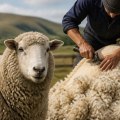
- Shearing is a vital part of wool production, typically performed once a year. It is essential for the sheep's health, as it prevents overheating and promotes skin health.
- Ethical shearing practices involve trained professionals who handle the sheep gently to minimize stress.
Proper techniques ensure that the process is quick and safe for the animals.
Post-Shearing Care
- After shearing, sheep should be monitored for any signs of distress or injury. Providing adequate shelter and care during this time is crucial for their recovery.
- Farmers committed to animal welfare will also ensure that sheep have access to clean water and nutritious food post-shearing.
Animal Welfare Standards in Wool Production
In recent years, the wool industry has faced increasing scrutiny regarding animal welfare standards. As consumers become more aware of the ethical implications of their purchases, many organizations have stepped up to promote ethical wool production practices that prioritize the well-being of sheep.One of the most recognized certifications in the wool industry is the Responsible Wool Standard (RWS).This standard ensures that wool is sourced from farms that adhere to strict animal welfare criteria, including:
- Providing adequate shelter and space for sheep to roam freely.
- Implementing humane shearing practices to minimize stress and injury.
- Ensuring that sheep are not subjected to mulesing, a controversial practice that involves removing skin from the sheep's rear end.
- Access to pasture and natural behaviors.
- Regular veterinary care and health monitoring.
- Transparent supply chain practices.
By choosing certified wool products, consumers can support farms that prioritize animal welfare and contribute to a more sustainable and ethical wool industry.
Common Animal Welfare Concerns in Wool Production
Wool production raises several animal welfare concerns that are critical to the ethical treatment of sheep. Understanding these issues is essential for consumers who wish to make informed choices about the wool they purchase.Shearing Practices
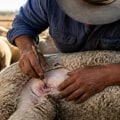
One of the most significant concerns in wool production is the practice of shearing. While shearing is necessary for the health of sheep, improper techniques can lead to severe injuries. Sheep can suffer from cuts, bruises, and stress if not handled correctly.It is crucial for shearers to be trained adequately and to use appropriate tools to minimize harm. Additionally, the timing of shearing is important; it should be done in a way that considers the sheep's comfort and well-being.
Living Conditions
The living conditions of sheep on wool farms also play a vital role in their welfare. Many sheep are kept in overcrowded environments that can lead to stress and health issues. Access to clean water, adequate shelter, and space to roam are essential for maintaining their physical and mental health.Farms that prioritize animal welfare often implement better living conditions, which can positively impact wool quality.
Health Issues
Sheep are susceptible to various health problems that can be exacerbated by poor management practices. Common issues include parasite infestations, foot rot, and skin diseases. Regular veterinary care and proper nutrition are essential for preventing these health issues. Farmers who are committed to animal welfare will invest in regular health checks and provide a balanced diet to ensure their sheep remain healthy throughout their lives.In conclusion, addressing these animal welfare concerns in wool production is not only a moral obligation but also contributes to the overall quality of the wool produced.Consumers should seek out brands that prioritize ethical practices in their wool sourcing to support better treatment of sheep.
The Role of Consumers in Promoting Animal Welfare
In recent years, consumer awareness regarding animal welfare has significantly influenced the wool production industry. As more individuals become conscious of the ethical implications of their purchases, they are increasingly seeking out ethically sourced wool. This shift in consumer behavior is not just a trend; it represents a fundamental change in how products are evaluated and purchased.Understanding Ethical Consumerism
- Ethical consumerism refers to the practice of purchasing products that are made with consideration for social and environmental impacts.
- Consumers are now more inclined to support brands that prioritize animal welfare, leading to a demand for transparency in the supply chain.
- This growing demand encourages wool producers to adopt more humane practices, such as ensuring proper care and treatment of sheep.
By choosing products that carry such certifications, consumers can directly impact the wool industry by supporting producers who adhere to high animal welfare standards.
The Impact of Consumer Choices
- Increased Demand for Transparency: Consumers are demanding more information about where and how their wool is sourced, prompting brands to disclose their supply chain practices.
- Support for Ethical Brands: By purchasing from companies that prioritize animal welfare, consumers can help drive change within the industry.
- Advocacy and Awareness: Engaging in discussions about animal welfare can further raise awareness and encourage others to consider the ethical implications of their purchases.
Innovations and Alternatives in Wool Production
As consumer awareness of animal welfare issues continues to grow, the wool industry is witnessing a shift towards more sustainable wool alternatives and innovative practices that prioritize ethical treatment of animals. This evolution is crucial for addressing the concerns surrounding traditional wool production methods.One of the most promising innovations in this space is the development of cruelty-free textiles. Brands are increasingly exploring materials such as recycled polyester, organic cotton, and even plant-based fibers like Tencel and hemp.These alternatives not only reduce reliance on animal products but also minimize environmental impact, making them appealing to eco-conscious consumers.In addition to alternative materials, advancements in wool farming practices are also emerging. For instance, some farms are adopting ethical shearing techniques that ensure sheep are treated humanely during the shearing process. This includes using trained professionals who handle the animals gently and avoid causing stress or injury.Moreover, technology plays a significant role in enhancing animal welfare within the wool industry. Innovations such as wearable tech for livestock allow farmers to monitor the health and well-being of their sheep in real-time.
This data-driven approach helps identify issues early, ensuring that animals receive prompt care and reducing overall stress levels.The rise of sustainable wool alternatives, combined with improved farming practices, reflects a broader trend towards ethical consumption. Consumers are increasingly seeking out brands that align with their values, prompting the industry to adapt and innovate. As a result, the future of wool production may not only be more humane but also more sustainable, offering viable options for both consumers and producers alike.
FAQs About Animal Welfare and Wool Production
Understanding the relationship between animal welfare and wool production is crucial for consumers who are concerned about ethical sourcing. Here are some frequently asked questions that address common misconceptions and provide clarity on this important topic.- What are the main animal welfare concerns in wool production?
The primary concerns include the treatment of sheep during shearing, living conditions, and the potential for injury or stress.Responsible producers prioritize the health and well-being of their flocks, ensuring that shearing is done humanely and that sheep have access to adequate shelter and nutrition.
- Is all wool produced ethically?
Not all wool is produced under ethical conditions. However, many brands are committed to sustainable practices and adhere to strict animal welfare standards. Look for certifications such as Responsible Wool Standard (RWS) or Global Organic Textile Standard (GOTS) to ensure ethical sourcing. - How can consumers support ethical wool production?
Consumers can support ethical wool production by choosing products from brands that are transparent about their sourcing practices. Researching companies and looking for certifications can help ensure that your purchases align with your values. - What is mulesing, and why is it controversial?
Mulesing is a practice used in some wool-producing countries to prevent flystrike in sheep.It involves removing strips of skin from around the sheep's hindquarters. This practice has been criticized for causing pain and distress, leading many brands to seek alternatives or avoid sourcing from regions where mulesing is common.
- Are there alternatives to traditional wool?
Yes, there are several alternatives to traditional wool, including synthetic fibers and plant-based materials like cotton or hemp. Additionally, some companies are developing innovative materials that mimic the properties of wool without using animal products.
Conclusion: The Future of Wool Production and Animal Welfare
As we reflect on the intricate relationship between wool production and animal welfare, it becomes clear that the future of this industry hinges on a commitment to ethical practices. Throughout this discussion, we have explored how the treatment of sheep directly impacts the quality of wool and the sustainability of production methods.One of the most pressing issues is the need for humane shearing practices.Ensuring that sheep are handled with care during shearing not only promotes their well-being but also enhances the quality of the wool harvested. As consumers become more aware of these practices, there is a growing demand for transparency in the supply chain.Moreover, the implementation of certification programs that prioritize animal welfare can significantly influence consumer choices. Programs such as Responsible Wool Standard (RWS) and others are paving the way for a more ethical approach to wool production. These certifications help consumers make informed decisions, encouraging brands to adopt better practices.Looking ahead, it is essential for stakeholders in the wool industry—farmers, manufacturers, and retailers—to collaborate on initiatives that promote animal welfare.
This includes investing in research and development to improve sheep husbandry and exploring innovative technologies that enhance animal care.In conclusion, the future of wool production is not just about meeting consumer demand but also about fostering a culture of respect for animal welfare. By prioritizing ethical practices, the industry can ensure its sustainability while providing high-quality products that consumers can trust.