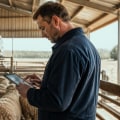
The world of wool production is undergoing a remarkable transformation, driven by the need for greater efficiency and sustainability. As consumers become increasingly aware of the environmental impact of their choices, the wool industry is responding with innovative practices that not only enhance productivity but also prioritize ecological responsibility. This shift is crucial, as traditional methods often face scrutiny for their resource intensity and carbon footprint. Recent advancements in technology and farming techniques have paved the way for a new era in wool production. From precision agriculture that optimizes land use to genetic improvements in sheep breeds that yield higher quality fibers with less environmental strain, these innovations are setting new standards.
Moreover, the integration of digital tools and data analytics allows farmers to monitor their flocks more effectively, ensuring better health and productivity while minimizing waste. As we delve deeper into the innovations shaping the future of wool production, it becomes clear that sustainability is not just a trend but a necessity. The industry's commitment to reducing its environmental impact is evident in practices such as regenerative grazing and water conservation techniques. These methods not only improve soil health but also enhance the overall quality of wool, making it a more attractive option for eco-conscious consumers. In this article, we will explore various innovations in wool production that are revolutionizing the industry. By examining these advancements, we can appreciate how they contribute to a more sustainable future while meeting the growing demand for high-quality wool products.
Historical Context of Wool Production
The history of wool production dates back thousands of years, with evidence suggesting that humans began domesticating sheep for their wool around 6000 BC in regions such as Mesopotamia.This early wool was primarily used for clothing and shelter, showcasing the material's versatility and warmth. Traditional methods of wool production involved manual shearing, washing, and spinning, which were labor-intensive and time-consuming.As the wool industry evolved, various cultures developed unique techniques to enhance the quality and efficiency of wool processing. For instance, the introduction of the spinning wheel in the Middle Ages revolutionized the way wool was spun into yarn, significantly increasing production rates. However, these advancements were still limited by the reliance on manual labor and rudimentary tools.In many regions, traditional practices persisted well into the 19th century.
Sheep were often raised in extensive pastures, and the shearing process was conducted once a year, leading to seasonal surpluses of wool. While these methods were sustainable in their own right, they faced challenges such as fluctuating market demands and environmental impacts from overgrazing.Despite these limitations, traditional wool production laid the groundwork for modern innovations. The transition from small-scale farming to industrialized production began in the late 18th century with the advent of mechanization. This shift not only increased efficiency but also introduced new challenges related to sustainability and animal welfare.Understanding this historical context is crucial for appreciating recent innovations in wool production.
By recognizing the limitations of traditional methods, we can better evaluate how contemporary practices are addressing efficiency and sustainability in today's wool industry.
Technological Innovations in Wool Production
In recent years, the wool production industry has witnessed a surge in technological innovations that have significantly enhanced both efficiency and sustainability. These advancements not only streamline operations but also contribute to more environmentally friendly practices.Automation in Wool Processing
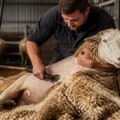
One of the most impactful changes has been the introduction of automated wool processing systems. These systems utilize robotics and artificial intelligence to handle various stages of wool production, from shearing to sorting and grading. Automation reduces the need for manual labor, minimizes human error, and increases processing speed.For instance, automated shearing machines can shear sheep more quickly and with less stress on the animals, leading to better wool quality.
Digital Tools for Wool Farming
The integration of digital tools in wool farming has also revolutionized the industry. Farmers are now using software applications that provide real-time data on sheep health, wool quality, and environmental conditions. This data-driven approach allows farmers to make informed decisions that enhance productivity and sustainability. For example, precision farming techniques enable farmers to monitor pasture conditions and optimize grazing patterns, which can lead to healthier flocks and improved wool yield.Sustainability through Technology
Moreover, technological innovations are paving the way for more sustainable practices in wool production.Advanced tracking systems allow for better traceability of wool from farm to consumer, ensuring ethical sourcing and reducing waste. Additionally, some companies are investing in renewable energy sources for their processing facilities, further decreasing their carbon footprint.In conclusion, the adoption of technology in wool production is not just about improving efficiency; it is also about fostering a more sustainable future for the industry. As these innovations continue to evolve, they hold the potential to transform wool production into a model of modern agricultural practices.
Sustainable Practices in Wool Production
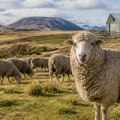
The wool industry has made significant strides towards sustainability through various innovative practices that not only enhance efficiency but also minimize environmental impact. One of the most notable advancements is the adoption of organic wool farming, which emphasizes the use of natural fertilizers and pest control methods.This approach not only improves soil health but also reduces chemical runoff, promoting a healthier ecosystem.In addition to organic practices, many wool producers are implementing eco-friendly processing methods. Traditional wool processing often involves harsh chemicals that can be detrimental to both the environment and the workers. However, new technologies have emerged that utilize biodegradable detergents and less water, significantly reducing the ecological footprint of wool production.Another innovative practice gaining traction is the use of regenerative agriculture. This method focuses on restoring soil health and biodiversity through rotational grazing and cover cropping.
By allowing sheep to graze in a controlled manner, farmers can enhance pasture quality while sequestering carbon in the soil, thus contributing to climate change mitigation.Furthermore, many producers are now prioritizing animal welfare as part of their sustainability initiatives. Implementing better living conditions for sheep not only improves wool quality but also aligns with consumer demand for ethically sourced products. This shift towards humane treatment is becoming a key selling point in the market.Lastly, transparency in the supply chain is becoming increasingly important. Consumers are more informed than ever and seek out brands that provide clear information about their sourcing and production practices.
By adopting sustainable practices and communicating these efforts effectively, wool producers can build trust with their customers while promoting a more sustainable future for the industry.
Genetic Innovations in Sheep Breeding
Recent advancements in genetic innovations have significantly transformed wool production, enhancing both the quality and yield of wool while promoting sustainability and animal welfare. By leveraging modern genetic techniques, breeders can select for traits that improve wool characteristics, such as fiber diameter, length, and crimp, which are essential for producing high-quality wool.Genetic Improvements in Sheep
- Selective Breeding: This traditional method has been enhanced by genomic selection, allowing breeders to identify desirable traits at a molecular level. This precision leads to faster improvements in wool quality and overall flock productivity.
- Hybrid Vigor: Crossbreeding different sheep breeds can result in hybrid vigor, producing offspring that exhibit superior wool traits and better adaptability to environmental conditions.
- Resistance to Diseases: Genetic innovations also focus on breeding sheep that are more resistant to diseases, reducing the need for antibiotics and other treatments that can impact sustainability.
Breeding for Better Wool Quality
- Fine Wool Production: Breeding programs now prioritize fine wool production, which is highly sought after in the textile industry. This focus not only meets market demands but also enhances the economic viability of wool producers.
- Improved Fiber Characteristics: Genetic advancements allow for the development of sheep that produce wool with improved characteristics such as elasticity and durability, making it more suitable for various applications.
Sheep Genetics and Sustainability
- Environmental Adaptability: By selecting for traits that enhance adaptability to local environments, breeders can reduce the ecological footprint of sheep farming.
This includes breeding for drought resistance or heat tolerance.
- Animal Welfare Considerations: Innovations in genetics also take into account animal welfare by promoting traits that lead to better health and lower stress levels in sheep, ultimately resulting in higher quality wool production.
Water and Resource Management in Wool Production
Effective water management is crucial in the wool production industry, especially as climate change and water scarcity become increasingly pressing issues. Farmers are adopting innovative practices to enhance resource efficiency and ensure sustainable use of water in their operations.One significant advancement is the implementation of precision irrigation systems. These systems utilize technology to monitor soil moisture levels and weather conditions, allowing farmers to apply water only when necessary.This not only conserves water but also promotes healthier pasture growth, which is essential for high-quality wool production.Additionally, many wool producers are exploring rainwater harvesting techniques. By capturing and storing rainwater, farmers can reduce their reliance on groundwater and municipal water supplies. This practice not only helps in managing water resources more sustainably but also mitigates the impact of droughts on wool production.
Resource Efficiency Strategies
- Soil Health Management: Improving soil health through organic farming practices enhances water retention and reduces the need for irrigation.
- Cover Cropping: Planting cover crops during off-seasons helps prevent soil erosion and improves moisture retention in the soil.
- Integrated Pest Management: Reducing chemical inputs through natural pest control methods can lead to healthier ecosystems and less water pollution.
Consumer Trends and Demand for Sustainable Wool Products
In recent years, there has been a significant shift in consumer demand for sustainable wool products.Eco-conscious consumers are increasingly prioritizing sustainability in their purchasing decisions, leading to a notable impact on the wool industry. This trend is not just a passing phase; it reflects a broader movement towards ethical consumption and environmental responsibility.As consumers become more aware of the environmental implications of their choices, they are seeking out products that align with their values. This has resulted in a growing market for sustainable wool, which is produced with minimal environmental impact and adheres to ethical farming practices. Brands that emphasize transparency in their supply chains and sustainable production methods are gaining traction among consumers.
- Transparency: Consumers are demanding more information about the origins of their products.
Brands that provide clear details about their sourcing and production processes are more likely to attract eco-conscious buyers.
- Certifications: Certifications such as Responsible Wool Standard (RWS) and Global Organic Textile Standard (GOTS) are becoming increasingly important. These labels assure consumers that the wool is sourced from farms that prioritize animal welfare and sustainable practices.
- Innovative Materials: The rise of innovative materials, such as recycled wool and blends with other sustainable fibers, is appealing to consumers looking for eco-friendly options without compromising on quality.
By embracing sustainability, producers not only cater to the desires of eco-conscious consumers but also contribute positively to the environment, ensuring the longevity of wool production for future generations.
Challenges Facing the Wool Industry Today
The wool industry, while benefiting from various innovations, continues to face significant challenges that threaten its sustainability and economic viability. One of the primary issues is the economic pressure stemming from fluctuating market prices. Wool producers often find themselves at the mercy of global demand, which can be unpredictable. This volatility makes it difficult for farmers to plan their operations effectively, leading to potential financial instability.Additionally, the wool industry grapples with sustainability challenges that are increasingly scrutinized by consumers and environmental advocates.The environmental impact of sheep farming, including land degradation and water usage, raises concerns about the long-term viability of wool production. Farmers are under pressure to adopt more sustainable practices, but transitioning to these methods can require significant investment and time.Another challenge is the competition from synthetic fibers, which are often cheaper and more readily available. As consumers become more price-sensitive, the demand for natural fibers like wool may decline unless producers can effectively communicate the benefits of wool, such as its biodegradability and thermal properties.Moreover, labor shortages in rural areas pose a significant hurdle for wool production. As younger generations move to urban centers for better opportunities, finding skilled labor for shearing and processing becomes increasingly difficult.
This shortage not only affects production efficiency but also impacts the quality of the final product.In summary, while innovations in wool production have made strides toward improving efficiency and sustainability, the industry must navigate a complex landscape of economic pressures, environmental concerns, competition from synthetics, and labor shortages to ensure its future viability.
Future Directions for Wool Production Innovations
As the wool industry continues to evolve, several innovations are on the horizon that promise to enhance both efficiency and sustainability in wool production. These advancements are driven by the need to meet growing consumer demand for ethically produced and environmentally friendly products.Technological Advancements
One of the most promising areas of innovation is the integration of smart farming technologies. This includes the use of IoT devices and drones to monitor sheep health and pasture conditions in real-time. By collecting data on animal behavior and environmental factors, farmers can make informed decisions that optimize wool yield while minimizing resource use.Sustainable Breeding Practices
Another trend gaining traction is the development of sustainable breeding programs.These programs focus on selecting sheep breeds that are not only resilient to climate change but also produce high-quality wool with lower environmental impact. For instance, breeding for traits such as disease resistance and improved feed conversion can lead to healthier flocks and reduced reliance on chemical treatments.
Regenerative Agriculture Techniques
The adoption of regenerative agriculture practices is also set to transform wool production. Techniques such as rotational grazing can improve soil health, enhance biodiversity, and sequester carbon, making wool production more sustainable. Farmers who implement these practices often see increased productivity and resilience in their operations.Circular Economy Initiatives
The concept of a circular economy is becoming increasingly relevant in the wool industry.Innovations aimed at recycling and reusing wool products can significantly reduce waste. For example, companies are exploring ways to repurpose discarded wool into new textiles or insulation materials, thereby extending the lifecycle of wool products.In conclusion, the future of wool production looks promising with these upcoming trends and innovations. By embracing technology, sustainable practices, and circular economy principles, the wool industry can enhance its efficiency while contributing positively to environmental sustainability.
Conclusion: The Path Forward for Wool Production
As we look towards the future of wool production, it is clear that innovation will play a pivotal role in enhancing both efficiency and sustainability. The advancements discussed throughout this article highlight a transformative journey that the wool industry is undergoing, driven by technology and a commitment to environmental stewardship.One of the most significant takeaways is the integration of precision agriculture techniques, which allow farmers to monitor and manage their flocks with unprecedented accuracy.This not only optimizes resource use but also minimizes waste, contributing to a more sustainable production model.Moreover, the development of biodegradable and eco-friendly processing methods has reduced the environmental impact traditionally associated with wool manufacturing. By adopting these practices, producers can ensure that their operations align with global sustainability goals.Additionally, innovations in genetic breeding have led to sheep that produce higher-quality wool with less environmental strain. These advancements not only improve the economic viability of wool production but also enhance animal welfare, creating a more ethical industry.In conclusion, the path forward for wool production is bright, characterized by a commitment to innovation and sustainability. As stakeholders across the industry embrace these changes, we can expect a future where wool remains a vital and environmentally responsible resource.
The ongoing collaboration between farmers, researchers, and technologists will be essential in driving these innovations forward, ensuring that wool production not only meets current demands but also paves the way for future generations.