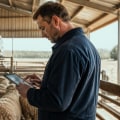
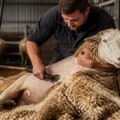
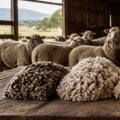
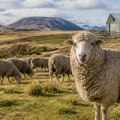
Wool production is a vital component of the global textile industry, providing a natural and versatile fiber that has been cherished for centuries. This process begins with the careful breeding and raising of sheep, specifically selected for their high-quality fleece. The significance of wool extends beyond its aesthetic appeal; it is renowned for its durability, insulation properties, and ability to regulate temperature, making it a preferred choice for a variety of garments and home textiles. Understanding the wool production process involves recognizing the various stages from shearing to processing. After the sheep are sheared, the raw wool undergoes cleaning and sorting to remove impurities and categorize the fibers based on quality.
This meticulous attention to detail ensures that only the finest wool makes its way into the market, supporting both artisans and large-scale manufacturers alike. As consumers become increasingly aware of environmental issues, the wool industry is evolving to incorporate more organic and sustainable practices. These practices not only enhance the quality of the wool but also address concerns regarding animal welfare and ecological impact. By prioritizing sustainable methods, producers can meet the growing demand for ethically sourced materials while contributing positively to the environment.
The Importance of Sustainability in Wool Production
The wool industry has long been associated with traditional farming practices that can have significant environmental impacts. From land degradation to water pollution, conventional wool production often prioritizes yield over ecological health.This is where the importance of sustainability in wool production comes into play.
Sustainable wool practices
focus on minimizing these negative effects while promoting the health of the ecosystem. By adopting methods such as rotational grazing, farmers can enhance soil fertility and reduce erosion. This practice not only benefits the land but also improves the quality of the wool produced, as healthier sheep tend to yield finer fibers.Moreover, sustainable practices often involve reducing chemical inputs, such as pesticides and fertilizers, which can contaminate local waterways and harm wildlife. By utilizing organic farming techniques, wool producers can create a more balanced ecosystem that supports biodiversity.- Benefits of Sustainable Wool Production:
- Improved Soil Health: Sustainable practices enhance soil structure and nutrient content.
- Water Conservation: Reduced chemical runoff leads to cleaner water sources.
- Biodiversity Support: Healthy ecosystems foster a variety of plant and animal life.
They are seeking products that align with their values, making sustainable wool not just an ethical choice but also a marketable one. Brands that commit to sustainability can differentiate themselves in a crowded marketplace, appealing to eco-conscious consumers who prioritize responsible sourcing.In conclusion, embracing sustainability in wool production is not merely a trend; it is a necessary evolution for the industry. By prioritizing ecological health, producers can ensure the longevity of their practices while contributing positively to the environment and meeting consumer demand for sustainable products.
Organic Practices in Wool Production
Organic practices in wool production focus on sustainable methods that prioritize animal welfare, environmental health, and the quality of the final product. These practices are rooted in the principles of organic farming, which emphasize the use of natural inputs and the avoidance of synthetic chemicals.Animal Welfare
- In organic wool production, sheep are raised in environments that allow them to exhibit natural behaviors.
This includes access to pasture and social interaction with other sheep, which is crucial for their well-being.
- Organic standards prohibit practices such as mulesing, a controversial method used to prevent flystrike, ensuring that sheep are treated humanely throughout their lives.
Feed Sourcing
- Organic wool producers must provide sheep with organic feed that is free from genetically modified organisms (GMOs) and synthetic additives. This not only supports the health of the animals but also contributes to the purity of the wool produced.
- The use of organic feed enhances the nutritional profile of the wool, leading to fibers that are stronger and more resilient.
Land Management
- Organic farming practices promote biodiversity and soil health. By rotating grazing areas and using cover crops, organic wool producers can maintain healthy pastures that support both sheep and local ecosystems.
- This sustainable land management reduces erosion and improves water retention, contributing to better environmental outcomes.
Organic wool is often softer, more durable, and free from harmful chemicals, making it a preferred choice for eco-conscious shoppers.In summary, integrating organic farming practices into wool production not only enhances the quality of the wool but also fosters a more sustainable agricultural system that benefits both animals and the environment.
Case Studies: Successful Organic Wool Producers
In the realm of wool production, several farms have successfully integrated organic and sustainable practices, showcasing the viability of these methods. Here are a few notable case studies:- Blue Sky Organic Farms : Located in Oregon, Blue Sky has transitioned to organic wool production by implementing rotational grazing techniques. This method not only enhances soil health but also improves the quality of the wool. Their commitment to biodiversity is evident as they maintain a variety of sheep breeds, which helps in pest control and reduces the need for chemical interventions.
- Green Sheep Company : Based in New Zealand, this farm focuses on sustainable practices by using natural fertilizers and avoiding synthetic chemicals.
They have adopted a holistic management approach that emphasizes animal welfare and environmental stewardship. Their wool is certified organic, appealing to eco-conscious consumers.
- Woolly Wonders Farm : This small-scale farm in Vermont exemplifies community-supported agriculture (CSA) in wool production. By engaging local consumers directly, they promote transparency in their sustainable practices. Woolly Wonders uses organic feed and practices low-impact shearing methods, ensuring minimal stress on the animals.
Each farm demonstrates unique approaches tailored to their specific environments while maintaining a commitment to ethical practices. By sharing these success stories, we can inspire more producers to consider organic methods in their wool production processes.
Challenges Facing Organic Wool Production
Organic wool production faces a myriad of challenges that can hinder its growth and sustainability. Understanding these obstacles is essential for anyone interested in the future of wool production.Market Demand
One of the primary challenges is the fluctuating market demand for organic wool. While there is a growing consumer interest in sustainable products, the overall market for organic wool remains relatively small compared to conventional wool.This limited demand can make it difficult for producers to justify the higher costs associated with organic farming practices.
Certification Processes
The certification processes required for organic wool can also pose significant barriers. Obtaining organic certification involves rigorous standards and inspections, which can be time-consuming and costly. Many small-scale farmers may lack the resources to navigate these complex requirements, leading to a reluctance to transition from conventional to organic practices.Economic Viability
Economic viability is another critical issue. Organic wool production often requires more labor-intensive methods and can yield lower quantities than conventional methods.This disparity can make it challenging for farmers to maintain profitability, especially when competing with cheaper, non-organic alternatives.
Environmental Factors
Additionally, environmental factors such as climate change and water scarcity can impact sustainable practices. Organic farmers may struggle with pests and diseases without the use of synthetic chemicals, which can lead to increased production risks.In summary, while organic wool production offers numerous benefits, it is not without its challenges. Addressing these issues is crucial for fostering a more sustainable and economically viable wool industry.The Future of Wool Production: Trends Towards Sustainability
The landscape of wool production is undergoing a significant transformation as sustainability becomes a central focus for both producers and consumers. As awareness of environmental issues grows, the demand for sustainable textiles is reshaping the wool industry, pushing it towards more eco-friendly practices.One of the most notable trends is the increasing adoption of organic farming methods in wool production.Organic wool is produced without synthetic pesticides or fertilizers, which not only benefits the environment but also enhances the quality of the wool itself. Farmers are now implementing regenerative agricultural practices that improve soil health and biodiversity, ensuring that their operations are sustainable in the long term.
Consumer Demand and Its Impact
As consumers become more conscious of their purchasing decisions, they are actively seeking out products that align with their values. This shift in consumer behavior is driving wool producers to adopt more transparent and ethical practices. Brands that prioritize sustainability are gaining a competitive edge, as shoppers increasingly prefer to support companies that demonstrate a commitment to environmental stewardship.Innovations in Wool Production
Technological advancements are also playing a crucial role in the future of wool production.Innovations such as precision farming techniques and digital traceability systems allow farmers to monitor their practices closely and ensure compliance with organic standards. These technologies not only enhance productivity but also reduce waste and resource consumption.
- Precision Farming: Utilizing data analytics to optimize resource use and minimize environmental impact.
- Digital Traceability: Implementing blockchain technology to provide transparency in sourcing and production processes.
- Water Management: Developing systems to recycle water used in processing wool, reducing overall consumption.
FAQs About Organic and Sustainable Wool Production
As consumers become more conscious of their environmental impact, questions about organic and sustainable practices in wool production have surged. Here are some frequently asked questions that can help clarify these important topics.What is organic wool?
Organic wool comes from sheep that are raised according to strict organic farming standards.This means that the sheep are fed organic feed, have access to pasture, and are not treated with synthetic pesticides or fertilizers. The certification process ensures that the entire production chain adheres to these principles, promoting animal welfare and environmental sustainability.
How does sustainable wool production differ from conventional methods?
Sustainable wool production focuses on minimizing environmental impact while ensuring the well-being of the animals. This includes practices such as:- Rotational grazing: This method helps maintain soil health and prevents overgrazing.
- Water conservation: Sustainable farms implement strategies to reduce water usage and protect local water sources.
- Animal welfare: Emphasis is placed on humane treatment, ensuring that sheep are not subjected to harmful practices.
Are there misconceptions about wool production?
Yes, several misconceptions exist regarding wool production:- Wool is harmful to sheep: Many believe that shearing is detrimental to sheep; however, it is a necessary practice for their health and comfort.
- All wool is produced unsustainably: While some conventional practices can be harmful, many farms are adopting sustainable methods that prioritize ecological balance.
- Synthetic alternatives are better: Some consumers think synthetic fibers are more eco-friendly, but they often rely on fossil fuels and contribute to microplastic pollution.