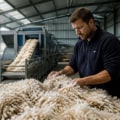
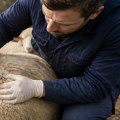
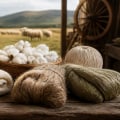
The wool production process is a vital component of the global textile industry, providing a natural and renewable resource that has been utilized for centuries. Wool, derived from the fleece of sheep, is not only valued for its warmth and durability but also for its versatility in various applications, ranging from clothing to home furnishings. As the demand for sustainable and eco-friendly materials grows, understanding the intricacies of wool farming becomes increasingly important. The journey of wool begins on the farm, where sheep are raised in diverse environments across the globe. Farmers employ various practices to ensure the health and well-being of their flocks, which directly influences the quality of the wool produced.
After shearing, the raw wool undergoes several processing stages, including cleaning, carding, and spinning, before it is transformed into the final textile products we see in stores. Each step in this intricate process plays a crucial role in determining not only the quality of the wool but also its environmental footprint. As we delve deeper into the wool industry, it is essential to consider both its economic significance and its environmental implications. While wool is often touted as a sustainable fiber, the use of chemicals in various stages of production can pose serious risks to ecosystems and biodiversity. This article will explore these impacts in detail, shedding light on how practices within wool production can either contribute to or mitigate environmental challenges.
The Role of Chemicals in Wool Production
The production of wool involves several chemical processes that can significantly impact the environment.Understanding these chemicals is essential for evaluating their ecological footprint.One of the primary categories of chemicals used in wool production is pesticides. These are applied to sheep to control parasites and diseases. While they are crucial for maintaining the health of the flock, many pesticides can have detrimental effects on local ecosystems. For instance, runoff from treated pastures can contaminate nearby water sources, affecting aquatic life and biodiversity.Another significant aspect of wool processing involves the use of dyes and finishing agents.
The dyeing process often requires synthetic dyes that contain harmful chemicals, which can lead to water pollution if not managed properly. Many of these dyes are not biodegradable and can persist in the environment, posing risks to both wildlife and human health.Additionally, various treatments are applied to wool to enhance its properties, such as mothproofing and stain resistance. These treatments often involve chemicals that can be toxic. For example, some mothproofing agents contain organophosphates, which are known to be harmful to both humans and animals.To mitigate these environmental impacts, there is a growing movement towards more sustainable practices in wool production.
This includes the use of organic farming methods that limit or eliminate chemical use, as well as the adoption of eco-friendly dyes and treatments. By understanding the role of these chemicals in wool production, consumers can make more informed choices about the products they purchase.
Environmental Impacts of Chemical Use
The use of chemicals in wool production has significant environmental repercussions that extend beyond the immediate farming practices. One of the primary concerns is soil degradation. The application of synthetic fertilizers and pesticides can lead to a decline in soil health, reducing its ability to retain nutrients and water.Over time, this can result in diminished crop yields and increased reliance on chemical inputs, creating a vicious cycle of dependency.Another critical issue is water pollution. Chemicals used in wool production often find their way into nearby water bodies through runoff. This runoff can carry harmful substances such as nitrates and phosphates, which contribute to eutrophication. Eutrophication leads to excessive growth of algae, depleting oxygen levels in the water and harming aquatic life.
The contamination of local water sources not only affects wildlife but also poses risks to human health, particularly for communities relying on these waters for drinking and irrigation.
Biodiversity loss
is another alarming consequence of chemical use in wool production. The introduction of pesticides can disrupt local ecosystems by killing non-target species, including beneficial insects and pollinators. This disruption can lead to a decline in plant diversity, as many plants depend on these insects for reproduction. Furthermore, the monoculture practices often associated with chemical-intensive farming can reduce habitat availability for various species, leading to a decrease in overall biodiversity.In summary, the environmental impacts of chemicals used in wool production are profound and multifaceted.From soil degradation and water pollution to biodiversity loss, the consequences highlight the urgent need for more sustainable practices within the industry. Transitioning towards organic farming methods and reducing chemical reliance could mitigate these adverse effects and promote a healthier ecosystem.
Sustainable Practices in Wool Production
The wool industry has long been associated with the use of harmful chemicals, from pesticides to synthetic dyes. However, a growing movement towards sustainable wool production is reshaping the landscape, emphasizing practices that are both environmentally friendly and economically viable. One of the most effective ways to promote eco-friendly wool practices is through the adoption of organic farming methods. Organic wool farming prohibits the use of synthetic pesticides and fertilizers, relying instead on natural alternatives.This not only reduces chemical runoff into local ecosystems but also enhances soil health and biodiversity. Additionally, many farmers are turning to integrated pest management (IPM) strategies. IPM focuses on monitoring pest populations and using biological controls, such as beneficial insects, to manage them. This approach minimizes the need for chemical interventions and promotes a balanced ecosystem. Another sustainable practice gaining traction is the use of natural dyes derived from plants and minerals. Unlike synthetic dyes, which can be toxic and polluting, natural dyes are biodegradable and often have a lower environmental impact.
This shift not only benefits the environment but also appeals to consumers seeking organic wool products.Furthermore, rotational grazing is an innovative practice that enhances soil fertility and reduces overgrazing. By moving sheep between pastures, farmers can allow land to recover while improving grassland health. This method not only supports animal welfare but also contributes to carbon sequestration, helping mitigate climate change. In conclusion, the transition towards sustainable practices in wool production is essential for minimizing environmental harm. By embracing organic farming, integrated pest management, natural dyeing techniques, and rotational grazing, the wool industry can significantly reduce its ecological footprint while still meeting consumer demand for high-quality wool products.
Case Studies: Chemical Use and Environmental Impact
The impact of chemicals used in wool production on the environment can be illustrated through several compelling case studies.These examples highlight the direct consequences of chemical use on ecosystems and local communities.
Case Study 1: New Zealand's Wool Industry
In New Zealand, the wool industry has faced scrutiny due to the use of synthetic pesticides and fertilizers. A study conducted by environmental scientists revealed that runoff from sheep farms contaminated nearby waterways, leading to a decline in aquatic biodiversity. The presence of these chemicals not only affected fish populations but also disrupted the entire aquatic ecosystem, showcasing the far-reaching effects of agricultural practices.Case Study 2: Australia’s Merino Wool Production
Australia, known for its high-quality Merino wool, has also experienced significant environmental challenges. The use of chemical treatments to prevent flystrike in sheep has raised concerns.Research indicated that these chemicals leached into the soil, affecting soil health and microbial communities. This disruption can lead to reduced soil fertility, impacting not only wool production but also local agriculture.
Case Study 3: The UK’s Organic Wool Movement
In contrast, the UK has seen a rise in organic wool production as a response to environmental concerns. Organic farms avoid synthetic chemicals, opting for natural alternatives. A case study from an organic farm in Wales demonstrated that this approach led to improved soil health and increased biodiversity on the farm.The absence of harmful chemicals allowed native plants and insects to thrive, creating a more balanced ecosystem.These case studies illustrate that while wool production can contribute positively to economies, it also poses significant environmental risks when chemicals are involved. The evidence suggests a pressing need for sustainable practices that minimize chemical use and protect ecosystems.
Consumer Awareness and Choices
As consumers become increasingly aware of the environmental impacts associated with wool production, making informed choices is essential for promoting sustainable practices within the industry. By understanding the implications of their purchases, consumers can drive demand for ethically sourced wool and encourage brands to adopt more eco-friendly methods.Ethical Wool Choices
- Look for certifications: Seek out wool products that are certified by organizations such as the Responsible Wool Standard (RWS) or Global Organic Textile Standard (GOTS). These certifications ensure that the wool is sourced from farms that prioritize animal welfare and sustainable farming practices.
- Support local producers: Purchasing wool from local farms can reduce the carbon footprint associated with transportation and support community economies.
Local producers often have more transparent practices regarding their environmental impact.
- Choose recycled or upcycled wool: Opting for products made from recycled wool can significantly lessen the demand for new wool production, thereby reducing the associated chemical use and environmental degradation.
Consumer Impact on the Wool Industry
The choices consumers make can significantly influence the direction of the wool industry. When consumers prioritize sustainability, brands are more likely to respond by adopting better practices. This shift can lead to a reduction in harmful chemicals used in wool production, as companies strive to meet the growing demand for eco-conscious products.
Eco-Conscious Shopping for Wool
- Research brands: Before making a purchase, take time to research brands and their sourcing practices. Many companies now provide transparency about their supply chains and environmental initiatives.
- Educate others: Share knowledge about sustainable wool options with friends and family.
The more people understand the impact of their choices, the greater the collective influence on the industry.
- Advocate for change: Support policies and initiatives that promote sustainable agriculture and animal welfare in wool production. Engaging with local representatives can amplify consumer voices in advocating for responsible practices.
Future Trends in Wool Production and Environmental Responsibility
The future of wool production is increasingly intertwined with the principles of sustainability and environmental responsibility. As consumers become more conscious of their purchasing decisions, the demand for eco-friendly textiles is driving innovation within the industry.One significant trend is the adoption of sustainable farming practices. Farmers are exploring regenerative agriculture techniques that enhance soil health and biodiversity.These methods not only reduce the need for chemical fertilizers and pesticides but also improve the overall resilience of wool-producing farms.
Innovations in Sustainable Textiles
Technological advancements are also playing a crucial role in transforming wool production. Innovations such as:- Biodegradable dyes: These dyes minimize water pollution and reduce the environmental footprint associated with traditional dyeing processes.
- Water-efficient processing: New technologies are being developed to significantly reduce water usage during wool processing, addressing one of the industry's major environmental concerns.
- Traceability systems: Blockchain technology is being utilized to ensure transparency in the supply chain, allowing consumers to verify the sustainability of their wool products.
Conclusion: Balancing Wool Production and Environmental Health
In conclusion, the relationship between wool production and environmental health is complex and multifaceted.Throughout this article, we have explored the various ways in which chemical use in wool production can impact ecosystems, from soil degradation to water pollution. It is clear that while wool is a natural and renewable resource, the methods employed in its production can lead to significant environmental challenges.To achieve a sustainable future, it is essential to find a balance between the demand for high-quality wool and the need to protect our environment. This can be accomplished through:
- Adopting Sustainable Practices: Farmers and producers should prioritize organic farming methods that minimize or eliminate the use of harmful chemicals. This not only protects local ecosystems but also enhances the quality of the wool produced.
- Implementing Regulations: Governments and industry bodies must enforce stricter regulations on chemical use in wool production.
This includes monitoring and controlling the types of chemicals used, as well as their application methods.
- Encouraging Consumer Awareness: Educating consumers about the environmental impacts of wool production can drive demand for sustainably sourced wool. When consumers prioritize eco-friendly products, producers are more likely to adopt sustainable practices.