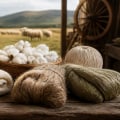
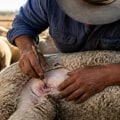
Wool production is a vital component of the global textile industry, serving as a primary source of natural fiber for countless applications. This process begins on wool farms, where sheep are raised specifically for their fleece. The significance of wool production extends beyond mere fabric; it encompasses a rich history of agricultural practices, sustainability, and economic impact. As consumers increasingly seek eco-friendly materials, the demand for high-quality wool has surged, making it essential for producers to understand not only the farming techniques but also the marketing strategies that can effectively reach their target audience. At its core, wool production involves several stages, from shearing the sheep to processing the raw fleece into finished products.
Each step in this intricate process plays a crucial role in determining the quality and marketability of the final wool products. Understanding these stages is key for farmers and marketers alike, as it allows them to highlight the unique qualities of their wool—such as softness, durability, and thermal properties—when promoting their goods. As we delve deeper into the various methods of marketing and selling wool, it becomes clear that effective communication about the benefits of wool production can significantly influence consumer choices. By leveraging storytelling, emphasizing sustainability, and showcasing the craftsmanship involved in wool products, producers can create a compelling narrative that resonates with environmentally conscious consumers. This introductory exploration sets the stage for a comprehensive discussion on how to successfully market and sell wool in today’s competitive landscape.
Traditional Marketing Methods for Wool
When it comes to wool production, traditional marketing methods remain a vital avenue for reaching local customers and building community relationships.One of the most effective strategies is participating in wool fairs and local markets, where producers can showcase their products directly to consumers.
Wool Fairs:
These events are specifically designed to celebrate wool and its various uses. They attract a diverse audience, including artisans, crafters, and consumers interested in sustainable products. By setting up a booth at these fairs, wool producers can:
- Engage with potential customers face-to-face, allowing for personal connections that can lead to sales.
- Demonstrate the quality of their wool through tactile experiences, which is crucial for products like yarn and textiles.
- Network with other producers and industry professionals, fostering collaborations that can enhance their marketing reach.
Local Markets:
In addition to wool fairs, local farmers' markets provide an excellent platform for selling wool products. These markets often attract a loyal customer base that values locally sourced goods.
Here are some benefits of selling at local markets:
- Community Engagement: Local markets allow producers to connect with their community, building brand loyalty and trust.
- Immediate Feedback: Producers can receive direct feedback from customers about their products, helping them refine their offerings.
- Diverse Customer Base: Markets often draw a variety of shoppers, from hobbyists to serious crafters, expanding the potential customer demographic.
Digital Marketing Strategies for Wool Producers
In the ever-evolving landscape of wool production, digital marketing strategies have become essential for producers looking to expand their reach and boost sales. By leveraging online platforms, wool producers can connect with a wider audience and showcase their products effectively.Social Media Marketing
Social media platforms such as Instagram, Facebook, and Pinterest are invaluable tools for wool producers. These platforms allow for visually appealing content that can highlight the unique qualities of wool products.Here are some effective strategies:
- Engaging Content: Share high-quality images and videos of your wool products, including behind-the-scenes looks at the production process.
- Storytelling: Use captions to tell the story of your brand, emphasizing sustainability and the craftsmanship involved in wool production.
- Influencer Collaborations: Partner with influencers in the textile or fashion industry to reach their followers and gain credibility.
Email Campaigns
Email marketing remains a powerful tool for maintaining customer relationships and driving sales. Consider these tactics:- Newsletters: Regularly update subscribers on new products, promotions, and industry news related to wool production.
- Personalization: Tailor your emails based on customer preferences and past purchases to enhance engagement.
- Exclusive Offers: Provide special discounts or early access to new collections for your email subscribers.
E-commerce Platforms
Setting up an online store is crucial for reaching customers directly. Here are some tips for effective online selling:- User-Friendly Design: Ensure your website is easy to navigate, with clear categories for different types of wool products.
- SEO Optimization: Optimize product descriptions with relevant keywords like "wool production" to improve search engine visibility.
- Customer Reviews: Encourage satisfied customers to leave reviews, as positive feedback can significantly influence potential buyers.
Building a Brand Around Wool Products
In the competitive landscape of wool production, establishing a strong brand identity is crucial for standing out in the marketplace. A well-defined brand not only communicates the quality and uniqueness of your wool products but also fosters a connection with consumers who value authenticity and sustainability.Creating a Strong Brand Identity
- Define Your Mission: Start by articulating what your brand stands for.
Is it sustainability, luxury, or perhaps innovation in wool technology? Your mission should resonate with your target audience.
- Visual Elements: Develop a cohesive visual identity that includes a memorable logo, color palette, and typography. These elements should reflect the essence of your wool products and appeal to your target demographic.
- Consistent Messaging: Ensure that all marketing materials convey a consistent message about your brand values and product benefits. This consistency builds trust and recognition over time.
The Power of Brand Storytelling
Effective storytelling can significantly enhance your brand's appeal. By sharing the journey of your wool—from the farm to the finished product—you create an emotional connection with consumers.
Here are some strategies to consider:
- Highlight Your Heritage: If your wool comes from a family-run farm or has a rich history, share that story. Consumers often prefer brands with a personal touch and a commitment to tradition.
- Showcase Sustainability: In today’s market, many consumers are environmentally conscious. Highlighting sustainable practices in your wool production can attract eco-friendly buyers.
- Engage Through Social Media: Use platforms like Instagram and Facebook to share behind-the-scenes content, customer testimonials, and stories about the artisans who create your products. This engagement fosters community and loyalty.
By focusing on these elements, you can effectively connect with consumers and differentiate your offerings in the vibrant world of wool production.
Sustainability in Wool Marketing
As consumers become increasingly aware of environmental issues, the demand for sustainable wool production has surged. This shift in consumer behavior presents a unique opportunity for wool producers to market their products as eco-friendly and ethically sourced.One effective method of promoting sustainability in wool marketing is through transparency. Producers can share their farming practices, highlighting how they prioritize animal welfare and land management. By providing detailed information about their operations, such as the use of organic feed and rotational grazing, producers can build trust with consumers who are concerned about the environmental impact of their purchases.Additionally, certifications play a crucial role in establishing credibility.Obtaining certifications such as Global Organic Textile Standard (GOTS) or Responsible Wool Standard (RWS) can significantly enhance a brand's reputation. These certifications assure consumers that the wool is produced under strict environmental and ethical guidelines.
- Eco-friendly packaging: Using biodegradable or recyclable materials for packaging can further emphasize a commitment to sustainability.
- Storytelling: Sharing the story behind the wool—from sheep shearing to the final product—can create an emotional connection with consumers, making them more likely to choose sustainable options.
- Community engagement: Collaborating with local artisans or participating in community events can help promote sustainable practices while fostering a sense of community around the brand.
Collaborations and Partnerships in Wool Sales
In the competitive landscape of wool production, establishing collaborations and partnerships can significantly enhance visibility and sales for producers.By joining forces with other brands or local artisans, wool producers can tap into new markets and leverage shared resources.
Benefits of Collaborations in the Wool Industry
- Increased Visibility: Partnering with established brands can introduce wool products to a broader audience, enhancing brand recognition.
- Shared Marketing Efforts: Collaborations allow for shared marketing campaigns, reducing costs while maximizing outreach.
- Diverse Product Offerings: Co-branding with artisans can lead to unique product lines that attract different customer segments.
Co-Branding Wool Products
Co-branding is another effective strategy within the wool industry. By combining the strengths of two brands, producers can create products that carry dual branding, which often leads to increased consumer trust and interest.
For example, a wool producer could partner with an eco-friendly lifestyle brand to market sustainable wool products. This not only emphasizes the quality of the wool but also aligns with growing consumer preferences for sustainability.Ultimately, collaborations and partnerships in the wool industry are not just about increasing sales; they are about building a community around quality products and shared values. By working together, wool producers and their partners can create innovative offerings that resonate with consumers and drive long-term success.
Utilizing Influencer Marketing for Wool Products
In the ever-evolving landscape of marketing, influencer marketing has emerged as a powerful tool for promoting various products, including those derived from wool production. By leveraging the reach and credibility of influencers, brands can effectively connect with their target audiences in a more authentic manner.Identifying the Right Influencers
- Relevance: Choose influencers whose content aligns with the values and aesthetics of your wool products.
For instance, fashion influencers who focus on sustainable clothing can be ideal partners.
- Engagement: Look for influencers with high engagement rates rather than just a large follower count. An engaged audience is more likely to respond positively to product recommendations.
- Authenticity: Collaborate with influencers who genuinely appreciate wool products. Their authentic enthusiasm will resonate more with their followers.
Creating Effective Partnerships
Once you have identified suitable influencers, the next step is to establish a partnership that benefits both parties. Here are some strategies to consider:
- Product Seeding: Send samples of your wool products to influencers for them to try and share their honest opinions.
This can lead to organic content creation that showcases your products in real-life scenarios.
- Sponsored Content: Work with influencers to create sponsored posts that highlight the unique qualities of your wool products. Ensure that the content is visually appealing and aligns with the influencer's style.
- Collaborative Campaigns: Consider launching a campaign that involves multiple influencers. This can amplify your reach and create a buzz around your wool products.
Measuring Success
To evaluate the effectiveness of your influencer marketing efforts, track key performance indicators (KPIs) such as engagement rates, website traffic, and sales conversions. Tools like Google Analytics and social media insights can provide valuable data on how well your campaigns are performing.In conclusion, utilizing influencer marketing for promoting wool products can significantly enhance brand visibility and consumer trust.
By carefully selecting the right influencers and fostering genuine partnerships, brands can tap into new audiences and drive sales effectively.
FAQs About Marketing and Selling Wool
When it comes to marketing and selling wool, producers often have several questions. Here are some of the most common inquiries:What are effective marketing strategies for wool producers?
Effective marketing strategies for wool producers include:- Online Presence: Establishing a strong online presence through a dedicated website and social media platforms can help reach a broader audience.
- Networking: Building relationships with local artisans, textile manufacturers, and craft fairs can create opportunities for direct sales.
- Quality Branding: Highlighting the quality and unique characteristics of your wool can attract niche markets, such as eco-conscious consumers.
How can I sell wool effectively?
Selling wool effectively involves understanding your target market and utilizing various sales channels:- Farmers' Markets: Participating in local farmers' markets allows you to connect directly with customers and showcase your products.
- Online Marketplaces: Platforms like Etsy or eBay can be excellent for reaching customers interested in handmade or specialty wool products.
- Wholesale Opportunities: Consider selling in bulk to local businesses or craft stores that may be interested in your wool for their own products.
What should I consider when pricing my wool?
When pricing your wool, consider the following factors:- Production Costs: Calculate all costs associated with production, including shearing, cleaning, and processing.
- Market Demand: Research current market trends to understand what similar products are selling for.
- Quality of Wool: Higher quality wool can command higher prices, so be sure to highlight its unique features.
Conclusion: Key Takeaways on Wool Marketing Strategies
In conclusion, effective marketing strategies are essential for the success of wool production. Throughout this article, we have explored various methods that can enhance the visibility and sales of wool products. Here are the key takeaways:- Diversification of Sales Channels: Utilizing multiple platforms such as online marketplaces, local farmers' markets, and specialty stores can significantly increase reach and customer engagement.
- Brand Storytelling: Crafting a compelling narrative around your wool products can resonate with consumers.
Highlighting the sustainable practices involved in wool production and the unique qualities of your wool can create a strong emotional connection.
- Targeted Marketing: Understanding your audience is crucial. Tailoring marketing efforts to specific demographics, such as eco-conscious consumers or fashion enthusiasts, can lead to more effective campaigns.
- Social Media Engagement: Leveraging platforms like Instagram and Pinterest allows producers to showcase their products visually. Engaging content, such as behind-the-scenes looks at the wool production process or customer testimonials, can drive interest and sales.
- Collaboration with Influencers: Partnering with influencers in the textile or sustainable fashion space can amplify your reach. Their endorsement can lend credibility and attract new customers.
- Education and Workshops: Hosting events or workshops that educate consumers about the benefits of wool and its production process can foster a deeper appreciation for the material, leading to increased sales.
The combination of traditional methods and modern marketing techniques will ensure that wool remains a sought-after material in various industries.