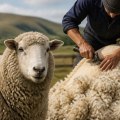
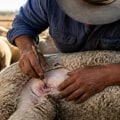
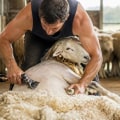
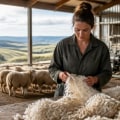
The world of wool production is a fascinating intersection of agriculture, craftsmanship, and global trade. As one of the oldest textile fibers known to humanity, wool has been cherished for its unique properties, including warmth, durability, and versatility. The wool industry plays a crucial role in the economy of many countries, particularly those with extensive sheep farming. Understanding how this industry operates is essential for grasping the broader implications of demand on production. At its core, wool production involves the shearing of sheep, followed by processes that clean, sort, and prepare the fleece for various applications in textiles.
This process not only supports livelihoods for farmers and workers but also contributes significantly to the global supply chain. As consumer preferences shift towards sustainable and natural fibers, the demand for wool has seen fluctuations that directly impact production levels. In recent years, there has been a growing awareness of the environmental benefits of wool compared to synthetic alternatives. This shift in consumer behavior has led to an increased interest in wool production, prompting producers to adapt their practices to meet rising demands. As we delve deeper into this topic, we will explore how these dynamics influence not just the quantity of wool produced but also its quality and market value.
The Global Demand for Wool
The global demand for wool has seen significant fluctuations over the years, influenced by various factors including fashion trends, sustainability concerns, and economic conditions.As consumers become more environmentally conscious, the appeal of natural fibers like wool has surged, leading to a renewed interest in its production.One of the primary drivers of wool production is the fashion industry. Designers are increasingly incorporating wool into their collections due to its versatility and durability. This trend is particularly evident in high-end fashion, where wool garments are often associated with luxury and quality. As a result, the demand for fine wool, such as Merino, has increased, prompting producers to focus on quality over quantity.
Market Trends
Recent market trends indicate a shift towards sustainable and ethically sourced materials.Consumers are now more inclined to purchase products that align with their values, which has led to a rise in demand for responsibly produced wool. Brands that emphasize transparency in their supply chains and promote animal welfare are gaining traction among eco-conscious shoppers.
Factors Affecting Wool Demand
- Seasonality: Wool is often associated with colder months, leading to seasonal spikes in demand. Retailers typically ramp up their wool offerings in the fall and winter.
- Technological Advancements: Innovations in textile technology have expanded the applications of wool beyond traditional uses, such as in activewear and home textiles.
- Global Economic Conditions: Economic downturns can impact consumer spending on luxury items, including wool products, while economic growth tends to boost demand.
Factors Influencing Wool Production
The demand for wool is influenced by a variety of factors that ultimately shape its production.Understanding these factors is crucial for stakeholders in the wool supply chain, from farmers to manufacturers.
- Agricultural Practices: The methods employed in sheep farming significantly affect wool quality and quantity. Practices such as selective breeding, pasture management, and shearing techniques can enhance wool yield. Farmers who adopt sustainable practices often see improved wool quality, which can lead to higher market prices.
- Climate Conditions: Weather plays a pivotal role in wool production. Regions with favorable climates for sheep grazing tend to produce higher quantities of wool.
Extreme weather conditions, such as droughts or heavy rainfall, can adversely affect sheep health and wool yield. Additionally, climate change poses long-term risks to traditional wool-producing areas.
- Economic Factors: The global market demand for wool directly impacts production levels. Fluctuations in prices can influence farmers' decisions on how much wool to produce. When prices are high, farmers are incentivized to increase production; conversely, low prices may lead to reduced output.
Economic policies and trade agreements also play a role in shaping the wool market.
The Relationship Between Demand and Production Levels
The relationship between demand and wool production is a dynamic one, heavily influenced by market trends, consumer preferences, and global economic conditions.When demand for wool increases, producers often respond by ramping up their production levels to meet this need. Conversely, a decline in demand can lead to reduced production, as farmers and manufacturers adjust their operations to avoid excess inventory.For instance, during the early 2000s, the rise in popularity of sustainable and natural fibers led to a significant increase in wool production. As consumers became more environmentally conscious, the demand for wool surged, prompting farmers to expand their flocks and invest in better breeding practices. This case illustrates how a shift in consumer behavior can directly influence production levels.On the other hand, fluctuations in demand can also create challenges for wool producers.
For example, the global financial crisis of 2008 resulted in a sharp decline in demand for luxury goods, including high-quality wool products. As a result, many producers faced financial strain and were forced to reduce their herds or even exit the market entirely. This scenario highlights the vulnerability of wool production to economic downturns.Moreover, the impact of demand on wool supply is not uniform across different regions. In countries like Australia and New Zealand, where wool is a significant export commodity, changes in international demand can have profound effects on local economies.
For instance, when China emerged as a major importer of Australian wool in the 2010s, it revitalized the industry and led to increased production levels. However, any subsequent decrease in Chinese demand could pose risks to these producers.In summary, the interplay between demand and wool production is complex and multifaceted. Producers must remain agile and responsive to market signals to ensure they can adapt their production strategies effectively. Understanding these dynamics is crucial for stakeholders within the wool industry as they navigate both opportunities and challenges.
Sustainability in Wool Production Amidst Rising Demand
The rising demand for wool has brought significant attention to the sustainability challenges faced by the wool industry.As consumers become more environmentally conscious, the pressure mounts on producers to adopt eco-friendly practices that minimize the ecological footprint of wool production.One of the primary challenges is the environmental impact of sheep farming. Traditional methods can lead to overgrazing, soil degradation, and water scarcity. To combat these issues, many producers are turning to sustainable wool production techniques. These include:
- Rotational Grazing: This practice involves moving sheep between pastures to allow land to recover, promoting healthier soil and reducing erosion.
- Organic Farming: By avoiding synthetic fertilizers and pesticides, organic wool production not only protects biodiversity but also enhances soil health.
- Water Management: Implementing efficient irrigation systems and rainwater harvesting can significantly reduce water usage in wool production.
Consumers are demanding to know where their products come from and how they are made. This has led to initiatives that certify wool as sustainably sourced, ensuring that producers adhere to strict environmental standards.However, despite these advancements, challenges remain. The balance between meeting growing demand and maintaining sustainable practices is delicate. Increased production can lead to practices that compromise animal welfare and environmental integrity if not managed carefully.
Therefore, ongoing education and innovation in the wool industry are essential for fostering a sustainable future.In conclusion, while the demand for wool continues to rise, it is crucial for the industry to embrace sustainable practices. By addressing these challenges head-on, producers can ensure that wool remains a viable and eco-friendly choice for consumers.
Technological Innovations in Wool Production
In recent years, the demand for wool has spurred significant technological innovations in wool production, transforming traditional practices and enhancing efficiency across the supply chain. These advancements not only help meet the growing demand but also improve the sustainability of wool farming.Automation and Robotics
- Automation in shearing processes has reduced labor costs and increased the speed of wool harvesting. Robotic shearers can operate with precision, minimizing stress on sheep and maximizing wool quality.
- Automated sorting systems utilize advanced imaging technology to classify wool based on fiber diameter, color, and strength, ensuring that only the highest quality fibers are processed.
Data Analytics and IoT
- The integration of Internet of Things (IoT) devices allows farmers to monitor sheep health and wool quality in real-time.
Sensors can track environmental conditions, enabling farmers to make informed decisions that enhance wool production.
- Data analytics tools help producers forecast market trends and adjust their production strategies accordingly, ensuring they can meet consumer demand effectively.
Sustainable Practices
- Innovations in textile manufacturing have led to more sustainable practices, such as using biodegradable dyes and reducing water consumption during processing. This aligns with the increasing consumer preference for eco-friendly products.
- Technologies that enhance the durability of wool products also contribute to sustainability by extending the lifecycle of garments, reducing waste.
Future Trends in Wool Demand and Production
The future of the wool industry appears to be shaped by a combination of evolving consumer preferences, technological advancements, and environmental considerations.As sustainability becomes a central theme in global markets, the demand for wool production is expected to rise, particularly among eco-conscious consumers who favor natural fibers over synthetic alternatives.One significant trend is the increasing interest in ethical sourcing. Consumers are more informed than ever about the origins of their products, leading to a preference for wool that is produced under humane and environmentally friendly conditions. This shift is likely to drive producers to adopt more sustainable practices, enhancing the overall appeal of wool.
Technological Innovations
Technological advancements in wool production are also set to play a crucial role in shaping the future landscape. Innovations such as automated shearing and improved breeding techniques can enhance efficiency and yield.Additionally, research into disease-resistant sheep breeds may lead to healthier flocks and reduced reliance on chemical treatments, further appealing to health-conscious consumers.
Market Predictions
Experts predict that the global demand for wool will continue to grow, particularly in emerging markets where rising incomes are leading to increased consumption of luxury textiles. The predictions for wool production indicate that while traditional markets may stabilize, new opportunities will arise in sectors such as activewear and home textiles, where wool's natural properties are highly valued.- Sustainability: Increased focus on eco-friendly practices.
- Ethical Sourcing: Demand for humane production methods.
- Technological Advancements: Innovations improving efficiency and quality.
- Emerging Markets: Growth in demand from developing economies.
FAQs About Wool Production and Demand
Understanding the intricacies of wool production and its demand can help consumers make informed choices. Here are some frequently asked questions that shed light on this topic:- What factors influence the demand for wool? The demand for wool is primarily influenced by fashion trends, consumer preferences for sustainable materials, and the performance characteristics of wool in various applications, such as clothing and home textiles.
- How does climate change affect wool production? Climate change can impact wool production by altering grazing conditions for sheep, affecting their health and fleece quality.
Extreme weather events can also disrupt supply chains, leading to fluctuations in availability.
- What role do sheep breeds play in wool quality? Different sheep breeds produce varying types of wool, each with unique properties. For instance, Merino sheep are known for their fine, soft wool, while other breeds may produce coarser fibers suitable for different uses.
- How is the wool supply chain structured? The wool supply chain involves several stages: shearing, cleaning, processing, and distribution. Each stage is crucial in determining the final quality and price of the wool.
- Are there ethical concerns related to wool production? Yes, there are ethical considerations regarding animal welfare in wool production. Consumers are increasingly seeking brands that adhere to humane practices and sustainable sourcing.
Conclusion: The Future of Wool Production in a Changing Market
As we look towards the future of wool production, it is essential to recognize the intricate relationship between market demand and production capabilities.The wool industry has faced numerous challenges, including fluctuating consumer preferences, environmental concerns, and competition from synthetic fibers. However, understanding these dynamics can help stakeholders navigate the evolving landscape.One of the most significant factors influencing wool production is the growing demand for sustainable and ethically sourced materials. As consumers become more environmentally conscious, they are increasingly seeking products that align with their values. This shift presents an opportunity for wool producers to emphasize the natural, biodegradable qualities of wool, positioning it as a superior alternative to synthetic options.Moreover, advancements in technology and farming practices can enhance wool production efficiency.
Innovations such as precision agriculture and improved breeding techniques can lead to higher quality fibers and increased yields. By investing in these technologies, producers can meet rising demand while maintaining sustainable practices.
- Consumer Education: Educating consumers about the benefits of wool can drive demand. Highlighting its durability, versatility, and comfort can attract a broader audience.
- Diversification: Producers may need to diversify their offerings by exploring niche markets such as luxury wool products or specialty blends to cater to specific consumer preferences.
- Collaboration: Partnerships between farmers, manufacturers, and retailers can streamline supply chains and enhance product visibility in the marketplace.
The relationship between demand and production will continue to shape the wool industry, making it imperative for stakeholders to remain agile and informed.