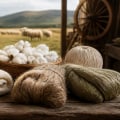
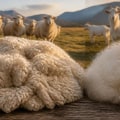
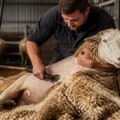
Wool production is a vital component of the global textile industry, renowned for its versatility, durability, and natural insulating properties. As a renewable resource, wool is harvested from sheep and has been utilized for thousands of years in various applications, from clothing to home furnishings. However, the quality of wool produced can vary significantly based on a multitude of factors, particularly climate and geography. Understanding these influences is essential for producers aiming to optimize their yield and quality. The relationship between wool quality and environmental conditions is intricate.
Different climates can affect the growth patterns of sheep, influencing the fineness, length, and overall characteristics of the fleece. For instance, sheep raised in cooler climates often produce finer wool due to the need for better insulation against cold temperatures. Conversely, those in warmer regions may yield coarser wool as their fleece adapts to protect against heat. This adaptability not only impacts the physical properties of the wool but also its market value. Moreover, geographical factors such as altitude and soil composition play a crucial role in wool production.
High-altitude regions may provide a unique combination of temperature fluctuations and vegetation that can enhance wool quality. Additionally, the nutritional content of the pasture directly affects the health of the sheep and, consequently, the quality of their fleece. As we delve deeper into this topic, we will explore how these various elements intertwine to shape the landscape of wool production across different regions.
The Role of Climate in Wool Quality
The quality of wool production is significantly influenced by the climate in which sheep are raised. Various climatic factors, including temperature, humidity, and precipitation, play a crucial role in determining the physical properties of wool.Temperature and Wool Quality
Temperature affects the growth rate and health of sheep, which in turn impacts wool quality.In regions with extreme temperatures, whether hot or cold, sheep may experience stress that can lead to variations in fiber diameter. For instance, higher temperatures can cause sheep to shed their wool prematurely, resulting in a coarser fiber. Conversely, cooler climates tend to produce finer wool as the sheep grow thicker coats to insulate against the cold.
Humidity's Impact on Wool Production
Humidity levels also play a vital role in wool production. High humidity can lead to increased moisture content in the wool, which affects its strength and durability.Wool that retains too much moisture may become prone to mildew and other forms of degradation. On the other hand, low humidity can result in dry wool that is brittle and more susceptible to breakage during processing.
Precipitation and Fiber Characteristics
Precipitation patterns influence not only the health of the pasture but also the overall well-being of the sheep. Adequate rainfall supports lush pastures that provide essential nutrients for sheep, leading to healthier animals and better-quality wool. Regions with consistent rainfall tend to produce wool with a more uniform crimp and diameter, enhancing its market value.In summary, understanding how different climatic conditions affect wool production is essential for farmers aiming to optimize wool quality.By managing these environmental factors effectively, producers can enhance the characteristics of their wool, ensuring it meets industry standards and consumer expectations.
Geographical Influences on Wool Production
The quality of wool production is significantly influenced by geographical factors, including altitude, soil type, and vegetation. Each of these elements plays a crucial role in determining the characteristics of the wool produced in different regions.Altitude
is a key factor affecting wool quality. In higher altitudes, sheep are often exposed to cooler temperatures and harsher weather conditions. This environment can lead to the production of finer, denser wool, as the animals develop thicker coats to insulate themselves.
For instance, sheep raised in the mountainous regions of New Zealand are known for their high-quality merino wool, which is prized for its softness and durability.
Soil type
also contributes to wool quality. The mineral content and fertility of the soil can affect the nutritional intake of sheep, which in turn influences wool growth and texture. Regions with rich, well-drained soils tend to produce healthier pastures, leading to better-fed sheep and superior wool. For example, the fertile plains of Australia are renowned for producing robust wool due to their nutrient-rich soils.
Vegetation
plays a vital role as well.
The type of forage available to sheep impacts their overall health and wool characteristics. Areas with diverse vegetation provide a balanced diet that can enhance wool quality. In contrast, regions with limited or poor-quality forage may result in lower-grade wool. For instance, the lush grasslands of Argentina support high-quality wool production due to the variety of grasses available for grazing.Additionally, topography can influence microclimates within a region, affecting moisture levels and temperature variations that sheep experience throughout the year.
These microclimates can lead to differences in wool characteristics even within small geographical areas.In summary, understanding how geographical influences such as altitude, soil type, vegetation, and topography affect wool production is essential for farmers aiming to optimize the quality of their wool. By selecting appropriate locations for sheep farming based on these factors, producers can enhance their output and meet market demands for high-quality wool.
Wool Quality Across Different Regions
The quality of wool production varies significantly across different regions, influenced by local climates, grazing conditions, and sheep breeds. Understanding these regional differences is essential for producers and consumers alike.Australian Wool
Australia is renowned for its high-quality wool, particularly Merino wool, which is prized for its fineness and softness. The country's diverse climate ranges from arid to temperate, allowing for a variety of grazing conditions.The cooler temperatures in southern regions contribute to the development of finer fibers, while the dry climate helps reduce the incidence of diseases that can affect wool quality. Australian wool is often characterized by:
- High tensile strength, making it durable and suitable for various applications.
- Excellent crimp, which enhances elasticity and insulation properties.
- Natural luster, giving it an appealing appearance.
New Zealand Wool
In contrast, New Zealand produces wool that is known for its bulk and resilience. The country's temperate maritime climate provides ample rainfall, resulting in lush pastures that support healthy sheep. New Zealand wool is often coarser than Australian wool but offers unique benefits:- Superior moisture-wicking properties, making it ideal for outdoor apparel.
- Natural stain resistance, which is advantageous for everyday wear.
- Strong fiber structure, contributing to its durability.
European Wool Characteristics
Europe presents a diverse landscape of wool production, with countries like the UK, Spain, and Italy each contributing distinct characteristics.For instance:
- The UK: Known for its British Blueface Leicester, which produces long-staple wool ideal for spinning.
- Spain: Home to the Merino de España, valued for its fine quality and used in luxury textiles.
- Italy: Renowned for specialty wools used in high-fashion garments, often characterized by vibrant colors and textures.
The Impact of Seasonal Changes on Wool Production
The quality of wool production is significantly influenced by seasonal changes, which dictate the growth cycles of sheep and the characteristics of the wool they produce. Understanding these seasonal effects is crucial for farmers aiming to optimize their yield and maintain high-quality standards.During the spring months, as temperatures rise and days lengthen, sheep experience a natural increase in wool growth. This period is often referred to as the growing season , where the nutritional intake of sheep plays a vital role in determining wool quality.Adequate pasture availability and a balanced diet contribute to finer, denser wool fibers. Conversely, during the summer months, heat stress can adversely affect wool quality, leading to coarser fibers and reduced overall yield.
Shearing Seasons
Shearing typically occurs in late spring or early summer, just before the hottest months. This timing is critical; shearing too early can result in insufficient wool growth, while shearing too late may expose sheep to heat stress. The timing of shearing not only impacts the quantity of wool harvested but also its quality.Wool that is shorn at the optimal time tends to be more uniform in texture and color.
Climate Change Impact
In recent years, climate change has introduced new challenges to traditional wool production cycles. Altered weather patterns can lead to unpredictable growing seasons, affecting both the quantity and quality of wool. For instance, increased frequency of droughts can diminish pasture quality, leading to poorer nutrition for sheep and subsequently lower wool quality. Additionally, extreme weather events can disrupt shearing schedules, further complicating the management of wool production.Farmers must adapt to these changes by implementing sustainable practices and monitoring environmental conditions closely.By understanding how seasonal variations affect wool production, producers can make informed decisions that enhance both the quality and sustainability of their operations.
Best Practices for Wool Producers in Varying Climates
Wool production is significantly influenced by the climate and region in which sheep are raised. To optimize wool quality, producers must adapt their practices to suit their specific environmental conditions. Here are some best practices tailored for varying climates:- Temperature Management: In hotter climates, ensure that sheep have access to shade and plenty of water. This helps prevent heat stress, which can negatively impact wool quality.
In colder regions, provide adequate shelter to protect sheep from harsh weather, as extreme cold can lead to coarse wool.
- Nutritional Needs: The nutritional requirements of sheep can vary based on climate. In arid regions, focus on providing high-quality forage and supplements to maintain wool health. Conversely, in lush areas, monitor pasture quality to prevent overfeeding, which can lead to excess grease in the wool.
- Shearing Timing: Timing is crucial for optimal wool quality. In warmer climates, shear sheep before the hottest months to reduce heat stress.
In cooler areas, shear after the cold season to ensure that sheep are not exposed to extreme temperatures without their fleece.
- Breed Selection: Choose sheep breeds that are well-suited for your local climate. For instance, Merino sheep thrive in temperate climates and produce fine wool, while breeds like Dorper are more resilient in arid conditions.
- Pest and Disease Management: Different climates present unique challenges regarding pests and diseases. Implement a robust health management program tailored to your region's specific threats, ensuring that your flock remains healthy and productive.
Frequently Asked Questions about Wool Production and Climate Effects
Understanding how climate affects wool production is essential for both producers and consumers. Here are some frequently asked questions that shed light on this topic:- How does temperature influence wool quality? Temperature plays a crucial role in the growth and development of sheep.
In cooler climates, sheep tend to produce finer and denser wool, which is often more desirable. Conversely, in warmer regions, the wool may be coarser and less uniform due to the sheep's need to regulate their body temperature.
- What impact does humidity have on wool? Humidity levels can significantly affect the moisture content of wool. High humidity can lead to increased moisture in the fleece, which may result in a heavier weight but can also compromise the wool's strength and durability. On the other hand, low humidity can lead to drier wool, which may be more brittle.
- Are there specific breeds of sheep better suited for certain climates? Yes, different sheep breeds have adapted to thrive in specific climates.
For instance, Merino sheep are well-suited for arid regions due to their ability to withstand heat while producing high-quality fine wool. In contrast, breeds like Suffolk are more common in temperate climates where they can produce robust wool.
- How do seasonal changes affect wool production? Seasonal variations can influence the growth cycle of sheep and subsequently affect wool production. During spring and summer, sheep typically grow their fleece more rapidly due to longer daylight hours and warmer temperatures. In contrast, during fall and winter, growth may slow down as the animals conserve energy.
Conclusion: The Interplay Between Climate, Geography, and Wool Quality
In conclusion, the relationship between climate, geography, and the quality of wool production is intricate and multifaceted.Throughout this article, we have explored how various environmental factors influence the characteristics of wool, from fiber diameter to crimp and overall durability. Understanding these dynamics is crucial for both producers and consumers. For producers, recognizing the specific needs of sheep breeds in relation to their environment can lead to improved wool quality. For instance, sheep raised in cooler climates often produce finer wool, while those in harsher, drier regions may yield coarser fibers that are more resilient. Moreover, consumers benefit from this knowledge as it allows them to make informed choices when purchasing wool products. By understanding the origin of the wool and the conditions under which it was produced, consumers can better appreciate the value of their purchases and support sustainable practices.
- Climate: Affects moisture levels, temperature fluctuations, and seasonal changes that directly impact sheep health and wool quality.
- Geography: Influences pasture quality and availability, which are essential for sheep nutrition and overall well-being.
- Wool Characteristics: Factors such as fiber strength, elasticity, and softness are all influenced by the sheep's living conditions.
As we move forward, it is essential for stakeholders in the wool industry to continue exploring these relationships to foster innovation and sustainability in wool production.