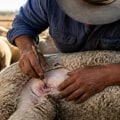
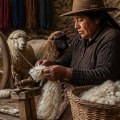
The wool production industry has long been a cornerstone of the textile market, providing a natural fiber that is both versatile and durable. Wool, derived from the fleece of sheep, has been utilized for centuries due to its unique properties, such as insulation, moisture-wicking, and breathability. These characteristics make it a popular choice for a wide range of clothing and textiles, from cozy sweaters to high-performance outdoor gear. However, as the demand for sustainable and ethical fashion grows, the wool industry faces increasing scrutiny regarding its environmental impact and animal welfare practices. While wool offers numerous benefits, including its biodegradability and natural resilience, it is not without drawbacks.
The process of wool production can be resource-intensive, requiring significant land and water use. Additionally, concerns about the treatment of sheep in some farming practices have led to calls for more humane standards within the industry. As consumers become more conscious of these issues, many are seeking alternatives that provide similar benefits without the associated ethical dilemmas. This shift in consumer behavior sets the stage for exploring alternative materials to wool that can meet the growing demand for sustainable textiles. By examining these alternatives, we can better understand how to balance our desire for quality clothing with our responsibility towards the environment and animal welfare.
In the following sections, we will delve into various materials that serve as viable substitutes for wool, highlighting their unique properties and potential benefits.
The Environmental Impact of Wool Production
The environmental impact of wool production is a multifaceted issue that encompasses various ecological concerns, including land use, water consumption, and greenhouse gas emissions. Understanding these factors is essential for consumers who are considering alternatives to wool.One of the primary concerns associated with wool farming is land use. Sheep require significant grazing areas, which can lead to overgrazing and soil degradation. In some regions, this has resulted in desertification, where once-fertile land becomes barren.The conversion of natural habitats into pastureland also threatens local biodiversity, as native species lose their homes.Another critical aspect is water consumption. Wool production is water-intensive, particularly in arid regions where sheep are commonly raised. The water needed for both the animals and the crops that feed them can strain local water resources, especially in areas already facing water scarcity. This raises questions about the sustainability of wool as a textile choice in regions where water conservation is paramount.Furthermore, greenhouse gas emissions from sheep farming contribute to climate change.
Sheep produce methane during digestion, a potent greenhouse gas that has a much higher warming potential than carbon dioxide. According to studies, livestock farming accounts for a significant percentage of global methane emissions, raising concerns about the long-term viability of wool production in an era focused on reducing carbon footprints.In summary, while wool has been a traditional textile choice for centuries, its sustainability is increasingly questioned due to its environmental impacts. As consumers become more eco-conscious, exploring alternative materials that offer lower ecological footprints may be a viable solution for those looking to make responsible fashion choices.
Alternative Natural Fibers to Wool
When considering alternatives to wool production, several natural fibers stand out for their unique properties and benefits. Each of these fibers offers distinct advantages, making them suitable for various clothing and textile applications.Cotton
Cotton is one of the most widely used natural fibers in the world.Known for its softness and breathability, cotton is an excellent choice for casual wear and everyday textiles. It is hypoallergenic, making it suitable for sensitive skin. However, cotton does have some drawbacks; it requires significant water for cultivation and can be less durable than wool.
Hemp
Hemp is a robust and sustainable alternative to wool. It grows quickly and requires minimal pesticides, making it an eco-friendly option.Hemp fibers are known for their strength and durability, which can result in long-lasting garments. Additionally, hemp has natural antibacterial properties, which can help reduce odor. On the downside, hemp can be coarse and may require blending with softer fibers to enhance comfort.
Linen
Linen, derived from the flax plant, is another excellent alternative to wool. It is highly breathable and moisture-wicking, making it ideal for warm climates.Linen garments tend to have a unique texture that softens with each wash, providing comfort over time. However, linen can wrinkle easily and may require more care in terms of washing and ironing.
Bamboo
Bamboo fiber has gained popularity in recent years due to its sustainability and softness. Bamboo grows rapidly without the need for fertilizers or pesticides, making it an environmentally friendly choice. The resulting fabric is incredibly soft, breathable, and has natural antibacterial properties.However, the production process can sometimes involve chemicals that may raise environmental concerns. In summary, while wool production has its merits, exploring these alternative natural fibers—cotton, hemp, linen, and bamboo—can provide consumers with a range of options that cater to different needs and preferences. Each fiber brings its own set of benefits and challenges, allowing individuals to make informed choices based on their values and lifestyle.
Synthetic Alternatives to Wool
As the demand for sustainable and versatile clothing options grows, many consumers are turning to synthetic fibers as alternatives to traditional wool. These materials, such as polyester, acrylic, and nylon, offer unique properties that can mimic the warmth and texture of wool while presenting their own set of advantages and disadvantages.Polyester
Polyester is one of the most widely used synthetic fibers in the textile industry. It is known for its durability, resistance to shrinking and stretching, and quick-drying capabilities.Polyester can be engineered to have a soft feel similar to wool, making it a popular choice for sweaters and outerwear. However, its production process is energy-intensive and relies on petroleum-based resources, raising concerns about its environmental impact.
Acrylic
Acrylic fibers are often used as a wool substitute due to their lightweight nature and excellent insulation properties. They are soft, warm, and can be produced in a variety of colors. Acrylic is also resistant to moths and mildew, making it a practical choice for outdoor garments.On the downside, acrylic is less breathable than natural fibers, which can lead to discomfort in warmer conditions.
Nylon
Nylon is another synthetic alternative that offers strength and elasticity. It is commonly used in activewear due to its moisture-wicking properties and ability to withstand wear and tear. While nylon garments can provide warmth similar to wool, they may not offer the same level of breathability. Additionally, like polyester, nylon's production involves significant environmental costs.In summary, while synthetic alternatives to wool such as polyester, acrylic, and nylon provide various benefits including durability and versatility, they also come with environmental considerations that consumers should weigh carefully.As the textile industry evolves, ongoing innovations may lead to more sustainable options that combine the best features of both synthetic and natural fibers.
Comparative Analysis: Wool vs. Alternatives
When considering wool production and its alternatives, it's essential to evaluate various factors such as comfort, durability, cost, and environmental impact. Below is a comparative analysis of wool and some popular alternatives.Comfort
Wool is renowned for its softness and ability to regulate temperature, making it comfortable in both cold and warm conditions. However, some individuals may find it itchy or irritating against the skin. In contrast, alternatives like cotton and bamboo are often softer and hypoallergenic, providing a comfortable option for those sensitive to wool.Synthetic fibers, such as polyester, can also offer comfort but may lack breathability.
Durability
Wool is highly durable and resistant to wear and tear, which contributes to its longevity. It also has natural elasticity, allowing it to retain shape over time. On the other hand, while cotton is strong, it can wear out faster than wool.Synthetic fibers
, however, are often more resistant to fading and shrinking but may not provide the same level of warmth or breathability.Cost
The price of wool can vary significantly based on quality and source. Generally, high-quality wool tends to be more expensive than many alternatives.Cotton, being widely produced, is usually more affordable, while bamboo can be moderately priced depending on processing methods.
Environmental Impact
Wool production has a mixed environmental footprint; while it is biodegradable and renewable, concerns about land use and methane emissions from sheep farming exist. In contrast, cotton requires significant water resources and pesticides unless sourced organically. Bamboo is often touted as an eco-friendly option due to its rapid growth and low resource needs; however, the processing methods can sometimes negate these benefits. Lastly, synthetic fibers are derived from petroleum products, raising concerns about sustainability. In summary, each material has its own set of advantages and disadvantages. Understanding these factors can help consumers make informed choices that align with their values and needs.Innovative Textiles: Emerging Alternatives to Wool
As the demand for sustainable and ethical fashion grows, the textile industry is witnessing a surge in innovative materials that serve as alternatives to traditional wool.These emerging textiles not only aim to reduce environmental impact but also offer unique properties that enhance functionality and comfort.One of the most promising alternatives is recycled polyester , derived from post-consumer plastic bottles. This material not only diverts waste from landfills but also mimics the warmth and texture of wool, making it suitable for a variety of clothing applications.
Tencel
, made from sustainably sourced wood pulp, is another innovative option. Known for its softness and breathability, Tencel is biodegradable and has a lower environmental footprint compared to conventional textiles. Its moisture-wicking properties make it an excellent choice for activewear.Additionally, hemp is gaining traction as a sustainable alternative.
This fast-growing plant requires minimal water and pesticides, making it an eco-friendly choice. Hemp fibers are durable and possess natural antimicrobial properties, which can enhance the longevity of garments.
Mycelium leather
, derived from fungi, is also emerging as a revolutionary textile. This biodegradable material offers a wool-like texture while being completely animal-free. As research progresses, mycelium leather could redefine luxury fashion by providing a sustainable alternative to animal-derived materials.Furthermore, advancements in textile technology have led to the development of smart fabrics.
These textiles can regulate temperature, wick moisture, and even monitor health metrics. By integrating technology into clothing, these materials not only enhance user experience but also pave the way for future innovations in the textile industry.In conclusion, the future of textiles looks promising with these innovative alternatives to wool. As consumers become more conscious of their choices, the shift towards sustainable materials will likely reshape the landscape of clothing and textiles.
Consumer Choices: How to Select Sustainable Alternatives to Wool
As consumers become more aware of the environmental impact of their clothing choices, selecting sustainable alternatives to wool has gained importance. Here are some practical tips to help you make informed decisions when shopping for eco-friendly textiles.- Research Materials: Familiarize yourself with eco-friendly fabrics such as organic cotton, Tencel, hemp, and recycled polyester.
These materials often have a lower environmental footprint compared to traditional wool.
- Check Certifications: Look for certifications like GOTS (Global Organic Textile Standard) or OEKO-TEX, which indicate that the materials meet specific environmental and social criteria.
- Support Ethical Brands: Choose brands that prioritize sustainability in their production processes. Many companies now provide transparency about their sourcing and manufacturing practices.
- Consider Durability: Invest in high-quality garments that are designed to last. Durable clothing reduces the need for frequent replacements, ultimately minimizing waste.
- Evaluate Care Instructions: Sustainable clothing often requires less energy and water for washing. Opt for items that can be washed in cold water and air-dried to further reduce your environmental impact.
Remember, every small decision contributes to a larger movement towards sustainable fashion.
FAQs About Wool Production and Alternatives
As consumers become more conscious of their choices, questions about wool production and its alternatives are increasingly common. Here are some frequently asked questions that can help clarify these topics.What are the main concerns regarding wool production?
Many people express concerns about the ethical treatment of sheep in wool production. Issues such as mulesing, a practice used to prevent flystrike, have raised significant animal welfare questions. Additionally, the environmental impact of sheep farming, including land use and methane emissions, is often discussed.What are some sustainable alternatives to wool?
- Organic Cotton: Grown without synthetic pesticides or fertilizers, organic cotton is a popular choice for eco-conscious consumers.
- Bamboo: This fast-growing plant requires minimal water and no pesticides, making it a sustainable textile option.
- Tencel (Lyocell): Made from sustainably sourced wood pulp, Tencel is biodegradable and produced in a closed-loop process that minimizes waste.
- Hemp: Known for its durability and low environmental impact, hemp is a versatile fabric that can be used in various clothing items.
Are synthetic fibers a good alternative to wool?
Synthetic fibers like polyester and nylon are often cheaper and more durable than natural fibers.However, they are derived from petroleum products and can contribute to microplastic pollution. While they may mimic some properties of wool, such as moisture-wicking and insulation, they lack the biodegradability of natural fibers.
How can I choose sustainable textiles?
When selecting clothing or textiles, look for certifications such as Global Organic Textile Standard (GOTS) or OEKO-TEX, which indicate environmentally friendly practices. Additionally, consider the lifecycle of the product—from production to disposal—and opt for brands that prioritize sustainability in their manufacturing processes.By understanding these aspects of wool production and its alternatives, consumers can make informed choices that align with their values regarding sustainability and ethical practices.Conclusion: The Future of Textiles Beyond Wool
As we look towards the future of textiles, it is clear that alternative materials to wool are not just a trend but a necessity for a more sustainable and ethical fashion industry. The environmental impact of wool production has raised significant concerns, prompting both consumers and manufacturers to seek out options that minimize ecological footprints.Throughout this article, we have explored various alternatives such as organic cotton, hemp, recycled polyester, and innovative materials like tencel and piñatex.Each of these materials offers unique benefits:
- Organic Cotton: Grown without harmful pesticides, it supports biodiversity and soil health.
- Hemp: Requires less water and no chemical fertilizers, making it an eco-friendly choice.
- Recycled Polyester: Reduces waste by repurposing plastic bottles, contributing to a circular economy.
- Tencel: Made from sustainably sourced wood pulp, it is biodegradable and produced in a closed-loop process.
- Piñatex: A leather alternative made from pineapple leaf fibers, promoting waste reduction in the agricultural sector.
The future of fashion lies in our ability to innovate and adapt, ensuring that we create beautiful clothing without compromising the planet.