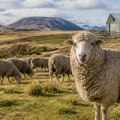
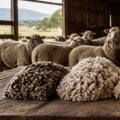
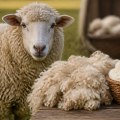
The wool production industry is a vital component of the global textile market, providing a natural fiber that has been cherished for centuries. Wool is primarily sourced from sheep, with various breeds contributing unique qualities to the fiber, such as softness, durability, and insulation properties. Understanding the intricacies of wool farming is essential for grasping how this commodity is produced and its subsequent impact on pricing in the global market. At the heart of wool production are the farmers who raise sheep specifically for their fleece. These producers play a crucial role in maintaining the quality and sustainability of wool.
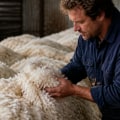
They employ various practices, from selective breeding to pasture management, ensuring that their flocks yield high-quality wool that meets industry standards. The process begins with shearing, where the fleece is carefully removed from the sheep, followed by cleaning and sorting to prepare it for processing. This meticulous attention to detail not only affects the quality of the final product but also influences market prices. The wool industry overview reveals a complex network of stakeholders, including farmers, processors, manufacturers, and retailers. Each player contributes to the value chain, impacting how wool is marketed and sold.
Global demand for wool can fluctuate based on fashion trends, technological advancements in synthetic fibers, and changing consumer preferences towards sustainable materials. As such, understanding these dynamics is crucial for anyone interested in the economics of wool production and its significance as a commodity in today’s market.
Global Demand for Wool: Trends and Influences
The global demand for wool has seen significant fluctuations in recent years, influenced by various factors ranging from fashion trends to sustainability concerns. Understanding these trends is crucial for stakeholders in the wool production industry.Current Trends in Global Wool Demand
- Fashion Industry Influence: The fashion sector remains a primary driver of wool demand. Designers increasingly favor natural fibers, leading to a resurgence in wool's popularity for high-end garments.
- Sustainability and Eco-Consciousness: As consumers become more environmentally aware, there is a growing preference for sustainable materials.
Wool, being biodegradable and renewable, aligns well with these values, boosting its appeal.
- Technological Advancements: Innovations in wool processing and production techniques have improved the quality and versatility of wool products, making them more attractive to consumers.
Factors Influencing Consumer Preferences
- Quality and Comfort: Wool is renowned for its comfort and durability. Consumers are increasingly willing to invest in high-quality wool products that offer longevity.
- Price Sensitivity: While there is a strong demand for wool, price fluctuations can significantly impact consumer purchasing decisions. Economic conditions and competition from synthetic fibers often dictate pricing strategies.
- Cultural Trends: In some regions, traditional uses of wool remain prevalent, influencing local demand patterns. For instance, countries with a rich history of sheep farming often maintain a steady demand for wool-based products.
As demand rises or falls, producers must adapt their strategies to ensure they meet market needs while maintaining profitability. This dynamic landscape underscores the importance of staying informed about global market trends to navigate the complexities of the wool industry effectively.
Key Players in the Global Wool Market
The global wool market is shaped by a variety of key players, each contributing to the dynamics of wool production and pricing. Understanding these players is essential for grasping how the market operates.Major Wool Producing Countries
- Australia: As the largest producer of wool globally, Australia accounts for approximately 25% of the world's total wool production. The country is renowned for its high-quality Merino wool, which is highly sought after in the fashion industry.
- China: Following Australia, China is a significant player in the wool market, not only as a producer but also as a major consumer.
The country imports large quantities of wool to support its vast textile industry.
- New Zealand: Known for its sustainable farming practices, New Zealand produces fine wool and has established a reputation for quality. The country focuses on niche markets, particularly in high-end apparel.
- Argentina: With its extensive sheep farming, Argentina is another important contributor to global wool production, particularly in the South American region.
Wool Exporting Nations
In addition to production, certain countries play a crucial role in exporting wool:
- Australia: Dominates the export market, sending significant quantities of raw and processed wool to countries like China, Italy, and the United States.
- New Zealand: Exports primarily to Australia and Europe, focusing on high-quality specialty wools.
- South Africa: While smaller in scale, South Africa contributes to the global supply with its unique wool varieties.
Market Stakeholders
The global wool market comprises various stakeholders that influence production and pricing:
- Farmers and Producers: They are at the forefront of wool production, making decisions based on market trends and demand.
- Textile Manufacturers: These companies drive demand for wool by creating products that appeal to consumers.
- Exporters and Importers: They facilitate international trade, impacting pricing through supply chain dynamics.
- Government Bodies: Policies and regulations can significantly affect production practices and market access.
Economic Factors Affecting Wool Pricing
The pricing of wool is significantly influenced by various economic factors that shape its production and market dynamics. Understanding these factors is crucial for stakeholders in the wool industry, from farmers to retailers.Supply and Demand Dynamics
- The fundamental principle of supply and demand plays a pivotal role in determining wool prices. When the supply of wool exceeds demand, prices tend to drop, making it less profitable for producers.
- Conversely, if demand for wool increases—perhaps due to a rise in popularity for sustainable fashion—prices can surge, benefiting producers.
- Production costs are another critical factor affecting wool pricing.
These costs include labor, feed, veterinary care, and shearing expenses. In regions where these costs are high, the price of wool may also increase to maintain profitability.
- Additionally, fluctuations in global commodity prices can impact the cost of inputs required for wool production, further influencing market prices.
- The global market for wool is subject to fluctuations based on economic conditions, trade policies, and consumer preferences. For instance, economic downturns can lead to decreased consumer spending on luxury items like wool products, thereby affecting demand.
- Trade agreements and tariffs can also impact pricing by altering the competitive landscape for wool producers. Favorable trade conditions can enhance export opportunities, while restrictive policies may limit market access.
Stakeholders must remain vigilant to these economic factors to navigate the challenges and opportunities within the wool market effectively.
Environmental Impact on Wool Production
The wool industry faces significant environmental challenges that impact both production and pricing. As global demand for wool increases, so does the pressure on farmers to adopt sustainable practices that mitigate these challenges. One of the primary concerns is the carbon footprint associated with wool farming, which includes greenhouse gas emissions from livestock and land use changes.To address these issues, many producers are turning to sustainable wool production methods. These practices not only help reduce environmental impact but also cater to a growing market of eco-conscious consumers.Some of the key strategies include:
- Rotational grazing: This method allows pastures to recover, improving soil health and reducing erosion.
- Water management: Efficient use of water resources is critical, especially in regions facing drought conditions.
- Integrated pest management: Reducing reliance on chemical pesticides helps protect local ecosystems.
Consumers are increasingly seeking out brands that prioritize ethical sourcing and environmental stewardship, which can lead to higher prices for sustainably produced wool. As the industry adapts to these challenges, it is clear that a commitment to sustainability will be essential for the future of wool production.
Technological Advancements in Wool Production
Recent technological advancements in wool production have significantly transformed the industry, enhancing both efficiency and quality. These innovations not only streamline the farming process but also contribute to better pricing strategies in the global market. One of the most notable advancements is the use of precision agriculture. This technology employs data analytics and satellite imagery to monitor sheep health, pasture conditions, and wool quality.By utilizing these tools, farmers can make informed decisions that optimize their production processes. For instance, knowing the exact nutritional needs of their flock can lead to healthier sheep and, consequently, higher-quality wool. Another significant innovation is the introduction of automated shearing machines. These machines reduce labor costs and time while ensuring a more consistent and humane shearing process. As a result, farmers can increase their output without compromising on the quality of the wool harvested. Furthermore, advancements in wool processing technology have improved the way wool is cleaned and prepared for market.
Techniques such as enzymatic scouring and advanced dyeing methods not only enhance the aesthetic appeal of wool products but also reduce environmental impact. This shift towards sustainable practices is increasingly important as consumers become more environmentally conscious. The impact of these technologies extends beyond production; they also influence wool pricing. Higher quality wool commands better prices in the market, allowing producers to benefit from their investments in technology. Additionally, as production becomes more efficient, supply can meet demand more effectively, stabilizing prices in a fluctuating global market. In conclusion, the integration of modern technology into wool production is reshaping the industry landscape.
By improving efficiency and quality, these advancements not only enhance profitability for farmers but also ensure that consumers receive superior products.
Future Outlook for the Wool Market
The future of wool production is poised for significant transformation as global market dynamics evolve. Several factors are influencing this trajectory, including sustainability trends, technological advancements, and changing consumer preferences.One of the most notable trends is the increasing demand for sustainable and ethically sourced materials. As consumers become more environmentally conscious, the wool industry is likely to see a rise in demand for organic wool and products that adhere to strict animal welfare standards. This shift could lead to higher prices for sustainably produced wool, as producers invest in more responsible farming practices.Predictions for wool pricing
suggest a potential increase in value over the next decade.
Analysts forecast that as the global population grows and the demand for natural fibers rises, wool prices may stabilize or even increase. Factors such as climate change and its impact on sheep farming could also play a role in pricing fluctuations. For instance, adverse weather conditions can affect sheep health and fleece quality, leading to reduced supply and higher prices.
- Technological innovations: Advances in processing technology may enhance the efficiency of wool production, potentially lowering costs and making wool more competitive against synthetic fibers.
- Market diversification: Emerging markets in Asia and Africa are beginning to show increased interest in wool products, which could open new avenues for growth.
- Fashion trends: The resurgence of natural fibers in fashion could further bolster demand for wool, particularly in luxury markets.
FAQs about Wool Production and Pricing
Understanding the intricacies of wool production and pricing is essential for anyone involved in the textile industry or simply interested in sustainable materials.Here are some frequently asked questions that shed light on this topic:
What factors influence wool production?
The production of wool is influenced by several key factors, including:- Climate: Wool-producing regions often have specific climate conditions that affect sheep health and fleece quality.
- Breeds: Different sheep breeds produce varying quantities and qualities of wool, impacting overall production levels.
- Market Demand: Fluctuations in global demand for wool can lead to changes in production strategies among farmers.
How does the global market affect wool pricing?
The pricing of wool is closely tied to global market dynamics. Key elements include:- Supply and Demand: When demand for wool increases, prices typically rise, encouraging more production. Conversely, oversupply can lead to price drops.
- Trade Policies: Tariffs and trade agreements can impact the cost of importing and exporting wool, affecting local prices.
- Consumer Trends: A growing interest in sustainable and natural fibers can drive up demand for wool, influencing its market value.
What are common misconceptions about wool pricing?
Several misconceptions exist regarding wool pricing:- Wool is always expensive: While high-quality wool can be costly, there are various grades available that cater to different price points.
- Wool prices are static: In reality, wool prices fluctuate based on seasonal trends and market conditions.
- Synthetic fibers are always cheaper: Although synthetic options may have lower upfront costs, they often lack the durability and sustainability of natural wool.