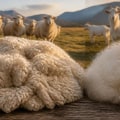
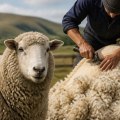
The health and well-being of sheep play a crucial role in the overall success of wool production. Healthy sheep not only produce higher quality wool but also contribute to a more sustainable farming operation. When farmers prioritize the care of their flock, they ensure that each sheep is in optimal condition, which directly impacts the quality and quantity of wool harvested. This relationship between sheep health and wool production cannot be overstated, as it forms the foundation for a thriving agricultural practice. During the shearing process, maintaining sheep health is paramount.
Stress and discomfort can lead to lower wool yields and compromised fiber quality. Farmers implement various strategies to minimize stress during shearing, such as familiarizing sheep with the shearing environment and using gentle handling techniques. By understanding the importance of sheep care, farmers can create a more positive experience for their animals, ultimately leading to better wool production outcomes. Moreover, healthy sheep are less susceptible to diseases and parasites, which can adversely affect wool quality. Regular veterinary check-ups, proper nutrition, and adequate shelter are essential components of a comprehensive sheep care program.
By investing in the health of their flock, farmers not only enhance their wool production but also promote animal welfare, ensuring that their practices align with ethical standards in agriculture.
Preparing Sheep for Shearing: Best Practices
Preparing sheep for shearing is a critical process that directly impacts both wool production and the overall health of the animals. Farmers implement several best practices to ensure that their sheep are ready for this annual event. One of the first steps in shearing preparation is conducting a thorough health check. Farmers examine each sheep for signs of illness or injury, ensuring that only healthy animals are sheared. This includes checking for:- Skin conditions: Farmers look for any signs of parasites or skin infections that could complicate the shearing process.
- Nutritional status: Ensuring that sheep are well-fed and hydrated is essential for maintaining their strength and resilience during shearing.
- Weight assessment: Monitoring the weight of the sheep helps farmers determine if they are in optimal condition for shearing.
Sheep can become anxious during shearing, which can affect their wool quality and overall well-being. To minimize stress, farmers often employ the following techniques:
- Familiarization: Allowing sheep to become accustomed to the shearing area and equipment can help reduce anxiety.
- Calm handling: Gentle handling techniques during the gathering and shearing process can significantly lower stress levels.
- Timing: Choosing a time when sheep are naturally more relaxed, such as after feeding, can also contribute to a smoother shearing experience.
The Shearing Process: Techniques and Tools Used
The shearing process is a critical aspect of wool production that requires careful attention to both technique and tools to ensure the health and well-being of sheep. Proper shearing not only maximizes the quality of the wool harvested but also minimizes stress for the animals involved.Shearing Techniques
Farmers employ various techniques during the shearing process to ensure that it is as smooth and efficient as possible. One widely used method is the stand-up shearing, where sheep are positioned upright, allowing shearers to access all areas of the fleece without causing undue stress.This technique helps in maintaining a calm environment, as sheep are less likely to panic when they feel secure.Another important technique is low-stress handling. Farmers often use gentle movements and soothing voices to keep the sheep calm. This approach not only reduces anxiety but also makes the shearing process quicker and more efficient.
Tools for Sheep Shearing
The tools used in the shearing process play a significant role in ensuring both efficiency and animal welfare. High-quality shearing blades are essential; they should be sharp and well-maintained to provide a clean cut without pulling on the fleece.Dull blades can cause discomfort and stress to the sheep, leading to a negative experience during shearing.
- Electric Shears: These are commonly used due to their speed and efficiency. They allow shearers to complete the job quickly while minimizing stress on the sheep.
- Hand Shears: While less common, hand shears are sometimes used for smaller flocks or in situations where electric tools may not be practical. They require more skill but can be gentler on the animal.
- Sheep Handling Equipment: Tools such as sheep chutes or pens help manage the flock during shearing, ensuring that each animal is handled with care and reducing stress levels.
Post-Shearing Care: Ensuring Continued Health and Comfort
After the shearing process, farmers must prioritize post-shearing care to ensure the ongoing health and comfort of their sheep.This is essential not only for the well-being of the animals but also for maintaining high-quality wool production.One of the first steps in post-shearing care is to monitor the sheep for any signs of stress or discomfort. Shearing can be a physically taxing experience, and farmers should observe their flock closely for any unusual behavior. Signs of distress may include excessive bleating, reluctance to move, or isolation from the group.
Providing Shelter and Comfort
Immediately after shearing, it is crucial to provide adequate shelter. Sheep are particularly vulnerable to temperature fluctuations without their wool.Farmers should ensure that their sheep have access to shaded areas during hot weather and warm, dry shelters during colder months. This helps prevent hypothermia and other temperature-related issues.
Nutritional Support
Nutrition plays a vital role in recovery post-shearing. Farmers should offer a balanced diet rich in essential nutrients to support the sheep's health. This includes:- High-quality forage: Ensuring that sheep have access to fresh grass or hay.
- Mineral supplements: Providing minerals like calcium and phosphorus that are crucial for recovery.
- Hydration: Ensuring that clean water is readily available at all times.
Regular Health Checks
Farmers should conduct regular health checks following shearing.This includes:
- Inspecting skin: Checking for any cuts or abrasions that may have occurred during shearing.
- Monitoring weight: Keeping track of weight changes to ensure that sheep are not losing condition.
- Vaccinations: Ensuring that all vaccinations are up-to-date to prevent disease outbreaks.
Common Health Issues During Shearing and How to Prevent Them
During the shearing process, farmers must be vigilant about the health of their sheep, as several common health issues can arise. Understanding these potential problems and implementing preventive measures is crucial for maintaining the well-being of the flock.Common Health Issues
- Skin Irritations: The shearing process can lead to cuts or abrasions on the sheep's skin, which may become infected if not properly treated.
- Heat Stress: Sheep can easily become overheated during shearing, especially in warmer months, leading to heat stress and dehydration.
- Parasite Infestations: Shearing can expose sheep to parasites that thrive in their wool, making it essential to monitor for signs of infestation post-shearing.
Preventive Measures
- Proper Shearing Techniques: Employing skilled shearers who use appropriate techniques can minimize skin injuries. Regular training and adherence to best practices are essential.
- Pre-Shearing Health Checks: Conducting thorough health assessments before shearing can help identify any existing issues that need addressing.
- Hydration and Cooling: Providing ample water and shaded areas during shearing can help prevent heat stress.
Farmers should schedule shearing during cooler parts of the day whenever possible.
- Post-Shearing Care: After shearing, it’s important to inspect sheep for any injuries or signs of distress. Prompt treatment of any wounds is vital to prevent infections.
The Role of Nutrition in Supporting Sheep Health During Shearing
Proper nutrition plays a crucial role in maintaining the health and well-being of sheep, especially during the shearing process. Farmers must ensure that their sheep receive a balanced diet both before and after shearing to support their overall health and enhance wool production.Before shearing, it is essential to provide sheep with adequate energy and protein. This can be achieved through:- High-quality forage: Access to fresh, nutrient-rich pasture or hay is vital.
Forage should be free from mold and contaminants to prevent health issues.
- Concentrates: Adding grains or commercial feed supplements can help meet the increased energy demands of sheep as they prepare for shearing.
- Minerals and vitamins: Ensuring that sheep receive essential minerals such as calcium, phosphorus, and trace elements like selenium can improve their overall vitality.
- Avoid sudden changes in diet: Gradually introducing any new feed helps prevent digestive upset.
- Provide plenty of water: Hydration is critical, especially if sheep are stressed or in warmer conditions.
- Wool regrowth: A nutrient-rich diet supports the regeneration of wool fibers.
- Overall health: Continued focus on nutrition helps prevent post-shearing complications such as infections or weight loss.
FAQs About Sheep Health and Shearing Practices
When it comes to wool production, ensuring the health and well-being of sheep during the shearing process is paramount.Here are some frequently asked questions that address common concerns regarding sheep health and shearing practices.
What are the signs of stress in sheep during shearing?
Sheep can exhibit various signs of stress during shearing, including:- Vocalizations: Increased bleating or vocal sounds can indicate discomfort.
- Restlessness: Sheep may try to escape or move around excessively.
- Physical reactions: Signs such as sweating or rapid breathing can also be indicators of stress.
How do farmers prepare sheep for shearing?
Farmers take several steps to prepare their sheep for a smooth shearing process:- Health checks: Prior to shearing, farmers conduct health assessments to ensure that the sheep are fit for the procedure.
- Familiarization: Sheep are often accustomed to handling and the shearing environment to reduce anxiety.
- Proper nutrition: Ensuring that sheep are well-fed and hydrated helps maintain their strength and calmness during shearing.
What post-shearing care is necessary for sheep?
After shearing, it’s essential to provide proper care to ensure the sheep remain healthy:- Monitoring: Farmers should monitor sheep for any signs of injury or distress after shearing.
- Shelter: Providing adequate shelter from harsh weather conditions is crucial, especially for newly shorn sheep.
- Nutritional support: A balanced diet post-shearing helps in recovery and maintains overall health.
Conclusion: The Interconnection Between Sheep Well-Being and Wool Quality
In conclusion, the health and well-being of sheep are intrinsically linked to the quality of wool production. Throughout the shearing process, farmers must prioritize the physical and emotional welfare of their sheep to ensure that they produce high-quality wool. This relationship is not merely coincidental; it is a fundamental aspect of sustainable farming practices.When sheep are healthy, they exhibit better fleece quality, which directly impacts the value of wool in the market. Healthy sheep tend to have a more uniform fleece with fewer defects, leading to higher yields and better prices for farmers.Therefore, investing in sheep health is not just an ethical obligation but also a sound economic strategy.
- Regular Health Checks: Farmers conduct routine health assessments to identify any potential issues before they escalate.
- Proper Nutrition: A balanced diet rich in essential nutrients supports overall health and enhances wool quality.
- Stress Reduction: Minimizing stress during shearing through gentle handling techniques ensures that sheep remain calm and healthy.
As consumers become increasingly aware of animal welfare issues, prioritizing sheep health will likely become an essential factor in the success of wool producers.