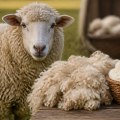
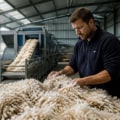
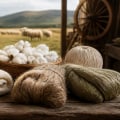
The world of wool production is a fascinating blend of nature and craftsmanship, where the fibers harvested from sheep are transformed into a myriad of products that serve both functional and aesthetic purposes. At the heart of this process lies lanolin, a natural waxy substance secreted by the sebaceous glands of sheep. This remarkable compound not only plays a crucial role in protecting the sheep's wool from environmental elements but also enhances the quality and durability of wool products.As we delve deeper into the wool industry, it becomes evident that lanolin is more than just a byproduct; it is an integral component that contributes to the overall value of wool. The presence of lanolin in sheep wool provides natural water resistance, making it an ideal material for various applications, from clothing to home textiles.
Furthermore, lanolin's moisturizing properties have led to its widespread use in cosmetics and skincare products, showcasing its versatility beyond traditional wool applications.Understanding the relationship between wool production and lanolin not only highlights the importance of sustainable practices in the wool industry but also emphasizes the need for ethical sourcing and animal welfare. As consumers become more conscious of their choices, the demand for high-quality, responsibly produced wool continues to rise, paving the way for innovations that honor both the sheep and the environment.
What is Lanolin?
Lanolin is a natural, waxy substance that is secreted by the sebaceous glands of sheep. It plays a crucial role in protecting the sheep's wool and skin from environmental factors, such as moisture and dirt. This unique substance is often referred to as wool grease or wool wax, and it has been utilized for centuries in various applications, particularly in the field of wool production.The chemical composition of lanolin is complex, consisting primarily of long-chain fatty acids, alcohols, and esters.This composition gives lanolin its distinctive properties, making it an excellent emollient and moisturizer. Its ability to retain moisture makes it a popular ingredient in skincare products, as it helps to soothe and hydrate the skin.Lanolin is derived from sheep's wool during the wool scouring process. After the wool is sheared from the sheep, it undergoes cleaning to remove dirt, grease, and other impurities. During this process, lanolin is extracted and can be further refined for various uses.
The extraction of lanolin not only enhances the quality of the wool but also provides a valuable byproduct that can be used in cosmetics, pharmaceuticals, and even industrial applications.Some key properties of lanolin include:
- Hydrophobic Nature: Lanolin repels water, which helps protect wool fibers from moisture damage.
- Emollient Qualities: It softens and soothes the skin, making it ideal for use in lotions and creams.
- Biocompatibility: Lanolin is well-tolerated by most skin types, reducing the risk of irritation.
- Film-Forming Ability: It creates a protective barrier on the skin or wool fibers, enhancing durability.
The Process of Wool Production
The wool production process is a meticulous journey that begins with the shearing of sheep and culminates in the creation of various wool products. Understanding this process is essential to appreciate the role of lanolin, a natural substance found in sheep's wool, which plays a significant part throughout.Shearing sheep
is the first step in wool production, typically occurring once a year in spring. This process involves carefully removing the fleece from the sheep without harming the animal.The fleece is then collected and prepared for processing. During shearing, lanolin is naturally secreted from the sheep's skin, coating the wool fibers. This waxy substance serves as a protective barrier against moisture and environmental elements.Once sheared, the wool undergoes several stages of wool processing. The first stage is cleaning, where the raw fleece is washed to remove dirt, grease, and excess lanolin.
While lanolin is often removed during this stage, some producers choose to retain it for its beneficial properties in various applications.
- Carding: After cleaning, the wool is carded to separate and align the fibers, making them easier to spin.
- Spinning: The carded wool is then spun into yarn, which can be used for knitting or weaving.
- Dyeing: At this stage, yarn can be dyed to achieve desired colors before being woven into fabric.
- Finishing: Finally, the fabric undergoes finishing processes such as washing and pressing to enhance its texture and appearance.
The Role of Lanolin in Wool Production
Lanolin, a natural waxy substance secreted by the sebaceous glands of sheep, plays a crucial role in wool production. This unique compound not only contributes to the quality of wool but also enhances its functionality and durability.Protective Properties
- Lanolin acts as a natural barrier against environmental elements, protecting the wool fibers from moisture and dirt.
- Its hydrophobic nature helps repel water, ensuring that the wool remains dry and comfortable for the wearer.
Moisturizing Benefits
- The presence of lanolin in wool provides excellent moisturizing properties, which can help maintain skin hydration when worn against the body.
- This is particularly beneficial for individuals with sensitive skin, as lanolin can reduce irritation and enhance comfort.
Functions in Wool Processing
- During the processing of wool, lanolin is often retained in the fibers, contributing to the overall softness and luster of the final product.
- It also aids in reducing static cling, making wool garments easier to wear and care for.
Applications of Lanolin Beyond Wool Production
While lanolin is primarily known for its role in wool production, its applications extend far beyond the textile industry.This natural substance, derived from sheep's wool, has gained significant traction in various sectors, particularly in cosmetics and pharmaceuticals.
Lanolin in Cosmetics
One of the most notable uses of lanolin is in the cosmetics industry. Its emollient properties make it an excellent ingredient for moisturizing products. Here are some common applications:- Moisturizers: Lanolin is often found in creams and lotions due to its ability to lock in moisture and create a protective barrier on the skin.
- Lip Balms: Many lip care products incorporate lanolin to provide hydration and prevent chapping, making lips feel soft and supple.
- Makeup Removers: Its oily texture helps dissolve makeup effectively, making it a popular choice for gentle makeup removal.
Lanolin in Pharmaceuticals
In addition to cosmetics, lanolin is also utilized in the pharmaceutical sector. Its unique properties contribute to various medicinal formulations:- Topical Ointments: Lanolin serves as a base for many ointments, enhancing their moisturizing capabilities and aiding in the healing process of dry or irritated skin.
- Transdermal Patches: Due to its ability to facilitate skin absorption, lanolin is sometimes used in transdermal drug delivery systems.
Its natural origin and beneficial properties not only enhance product performance but also appeal to consumers seeking effective and safe solutions for their skincare and health needs.
Environmental Impact of Wool Production and Lanolin Extraction
The environmental impact of wool production and the extraction of lanolin is a critical topic in discussions about sustainable agriculture. As consumers become more conscious of their ecological footprint, understanding these impacts is essential for promoting responsible practices in the wool industry.Wool production involves several stages, from sheep farming to processing. Each stage can have varying effects on the environment:- Land Use: Sheep farming requires significant land, which can lead to habitat destruction if not managed sustainably. Overgrazing can result in soil degradation and loss of biodiversity.
- Water Consumption: Wool production can be water-intensive, particularly in regions where water resources are scarce.
Sustainable practices, such as rotational grazing, can help mitigate this issue.
- Carbon Footprint: The methane emissions from sheep contribute to greenhouse gases. However, innovative farming techniques are being developed to reduce these emissions.
- Rotational Grazing: This method allows pastures to recover, promoting healthier soil and reducing erosion.
- Organic Farming: Utilizing organic methods reduces chemical runoff and promotes biodiversity.
- Animal Welfare Standards: Ensuring the well-being of sheep not only benefits the animals but also enhances the quality of wool produced.
Sustainable lanolin extraction methods focus on minimizing water usage and ensuring that by-products are disposed of responsibly.In conclusion, while wool production and lanolin extraction present environmental challenges, adopting sustainable practices can significantly reduce their impact. By prioritizing eco-friendly methods, the wool industry can contribute positively to both the economy and the environment.
Frequently Asked Questions about Lanolin and Wool Production
Understanding lanolin and its role in wool production can help clarify its significance in the textile industry. Here are some frequently asked questions that shed light on this natural substance.- What is lanolin?
Lanolin is a natural, waxy substance extracted from the wool of sheep. It acts as a protective barrier for the sheep's skin and wool, helping to keep moisture in and protect against environmental elements. - How is lanolin obtained?
Lanolin is obtained during the wool scouring process, where raw wool is cleaned to remove dirt, grease, and impurities.The lanolin is then separated from the water and other contaminants, resulting in a pure form that can be used in various applications.
- What are the uses of lanolin in wool production?
In wool production, lanolin serves multiple purposes:- It enhances the softness and luster of wool fibers.
- It helps to improve the water resistance of wool products.
- It acts as a natural lubricant during the spinning process, making it easier to handle the fibers.
- Is lanolin safe for all skin types?
While lanolin is generally safe for most people, those with sensitive skin or allergies to wool may experience irritation. It’s advisable to conduct a patch test before using products containing lanolin. - Can lanolin be used in cosmetics?
Yes, lanolin is widely used in cosmetics and skincare products due to its moisturizing properties. It helps to hydrate and protect the skin, making it a popular ingredient in lotions, creams, and lip balms.
Conclusion: The Importance of Lanolin in Wool Production
In conclusion, lanolin plays a pivotal role in the realm of wool production, serving as both a natural byproduct and a valuable asset. Understanding its significance not only enhances our appreciation for wool but also highlights the intricate processes involved in its production.Throughout this article, we have explored how lanolin is secreted by sheep to protect their wool from environmental factors.This natural wax not only aids in maintaining the integrity of the wool fibers but also contributes to the overall quality of the final product. The presence of lanolin ensures that wool remains resilient, water-resistant, and soft, making it an ideal material for various applications.Moreover, lanolin's versatility extends beyond wool production. It is widely utilized in cosmetics, skincare products, and even pharmaceuticals due to its moisturizing properties. This dual functionality underscores the importance of lanolin not just as a component of wool but as a valuable resource in multiple industries.As consumers become more conscious of sustainable practices, the role of lanolin in wool production becomes even more relevant.
By choosing wool products that incorporate lanolin, consumers support ethical farming practices and contribute to a more sustainable textile industry.In summary, recognizing the importance of lanolin in wool production allows us to appreciate the complexities of this natural fiber. As we continue to explore sustainable materials and practices, lanolin stands out as a prime example of how nature can provide solutions that benefit both producers and consumers alike.