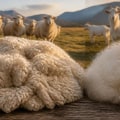
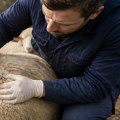
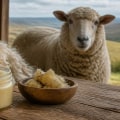
Wool production is a vital component of the global textile industry, providing a natural fiber that is both versatile and sustainable. As a renewable resource, wool is harvested from sheep and has been used for thousands of years to create clothing, blankets, and various other textiles. The significance of wool extends beyond its practical applications; it also plays a crucial role in the economy of many rural communities where sheep farming is prevalent. Understanding the intricacies of wool production not only highlights its importance but also sets the stage for exploring the different grades of wool that are produced. The quality of wool can vary significantly based on several factors, including the breed of sheep, the environment in which they are raised, and the methods used during shearing and processing.
These variations lead to distinct types of wool, each with unique characteristics that determine their suitability for different applications. For instance, fine wools are often sought after for high-end garments due to their softness and warmth, while coarser wools may be used for more durable products like carpets and upholstery. As we delve deeper into the world of wool production, it becomes essential to understand how these different grades are determined. Factors such as fiber diameter, length, and crimp play a significant role in classifying wool into various grades. This classification not only affects pricing but also influences consumer choices in the marketplace.
By grasping the nuances of wool grading, we can appreciate the craftsmanship involved in producing this remarkable natural fiber and its enduring impact on fashion and textiles.
What is Wool?
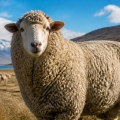
Wool is a natural fiber obtained from the fleece of sheep and other animals, such as goats (cashmere and mohair), rabbits (angora), and alpacas. It is renowned for its warmth, durability, and versatility, making it a popular choice in the textile industry. The origins of wool date back thousands of years, with evidence of sheep domestication found in ancient Mesopotamia. Over time, various breeds of sheep have been developed to produce different types of wool fibers, each with unique characteristics.Wool can be classified into several types based on the source animal and the specific properties of the fiber:- Merino Wool: Known for its fine texture and softness, Merino wool comes from Merino sheep.
It is highly sought after for clothing due to its breathability and moisture-wicking properties.
- Shetland Wool: This type is coarser and comes from Shetland sheep. It is often used in traditional knitwear and is valued for its warmth.
- Cashmere: Sourced from cashmere goats, this luxurious fiber is incredibly soft and lightweight, making it ideal for high-end garments.
- Alpaca Wool: Derived from alpacas, this wool is known for its silky texture and hypoallergenic properties. It is warmer than sheep's wool and comes in a variety of natural colors.
- Angora Wool: Obtained from Angora rabbits, this fiber is exceptionally soft and fluffy, often used in knitwear for its unique texture.
Understanding these differences is essential for manufacturers and consumers alike when selecting the right type of wool for specific applications.
The Importance of Wool Grades in Production
Understanding the importance of wool grades in production is crucial for both producers and consumers. The grading system serves as a benchmark for assessing the quality of wool, which directly influences its market value. Higher-grade wool typically commands a premium price due to its superior characteristics, such as softness, durability, and dyeing ability.One of the primary reasons for implementing a wool grading system is to ensure consistency and quality control throughout the production process. By categorizing wool into different grades, producers can maintain standards that meet consumer expectations.This not only helps in building trust with buyers but also enhances the overall reputation of the wool industry.Moreover, the grading of wool plays a significant role in wool production by facilitating better decision-making for manufacturers. For instance, knowing the grade of wool allows textile manufacturers to select the appropriate type for their specific needs, whether it be for high-end fashion garments or durable workwear. This targeted approach ensures that the final products meet quality standards while optimizing production costs.Additionally, consumers benefit from understanding wool grades as it empowers them to make informed choices when purchasing wool products. Higher-grade wool often translates to better performance and longevity in garments, making it a worthwhile investment.
As awareness grows about the benefits of different wool grades, consumers are more likely to seek out quality over quantity.In summary, the importance of wool grades in production cannot be overstated. It impacts pricing strategies, quality assurance, and consumer satisfaction, ultimately shaping the dynamics of the wool market.
How Wool Grades are Determined
Determining the grade of wool is a meticulous process that involves several key criteria. The primary factors influencing wool grades include fiber diameter, length, crimp, and color.Fiber Diameter
The fiber diameter, measured in microns, is one of the most critical factors in grading wool. Finer fibers, typically under 24 microns, are considered higher quality and are often used for garments that require softness and comfort.In contrast, coarser fibers are more suitable for durable products like carpets and outerwear.
Length
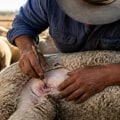
The length of the wool fibers also plays a significant role in determining its grade. Longer fibers tend to be stronger and more resilient, making them preferable for spinning into yarn. Wool that is too short may result in weaker yarns and is often graded lower.Crimp
Crimp refers to the natural wave or curl in the wool fibers. A well-defined crimp can enhance the elasticity and bulk of the wool, contributing to its overall quality.Wool with a consistent crimp pattern is generally favored as it indicates healthy fleece.
Color
The color of the wool is another grading criterion. While white wool is most desirable due to its versatility in dyeing, colored wools can also be valuable, especially if they are rare or have unique shades. However, any discoloration or stains can negatively impact the grade.In summary, the grading of wool is a complex process influenced by multiple factors. Understanding these criteria not only helps producers achieve better quality in their wool production but also assists buyers in selecting the right type of wool for their specific needs.Different Grades of Wool Explained
Wool is categorized into different grades based on its fiber diameter, length, and crimp.Understanding these grades is essential for both producers and consumers, as they determine the wool's quality, use, and market value.
Types of Wool Grades
- Fine Wool: This grade includes fibers that measure less than 20 microns in diameter. Fine wool is known for its softness and is often used in high-end garments such as suits and fine knitwear. Merino wool is a prime example of fine wool, prized for its luxurious feel and excellent insulation properties.
- Medium Wool: Ranging from 20 to 25 microns, medium wool strikes a balance between durability and comfort. It is commonly used in everyday clothing, blankets, and upholstery.
This grade offers good resilience and is less prone to pilling compared to finer grades.
- Coarse Wool: Coarse wool fibers exceed 25 microns in diameter. While not as soft as fine or medium wool, coarse wool is highly durable and often used in products like carpets, outerwear, and industrial applications. Its rough texture makes it less suitable for direct skin contact but ideal for heavy-duty uses.
Whether seeking luxurious garments or durable textiles, knowing the characteristics of each grade can significantly enhance the selection process.
Wool Grading Systems Around the World
Wool grading systems vary significantly across the globe, reflecting the diverse characteristics of wool and the specific needs of different markets. Understanding these systems is crucial for producers and consumers alike, as they influence wool production practices and pricing.International Wool Grading Standards
Globally, wool is primarily graded based on its fiber diameter, length, and crimp. The Micron System is widely used, where the diameter of the wool fiber is measured in microns. Finer wool, typically under 20 microns, is considered high-quality and is sought after for luxury garments.In contrast, coarser wool is often used for durable products like carpets and outerwear.
Australian Wool Grading
Australia is a leader in wool production, and its grading system is one of the most recognized worldwide. The Australian Wool Testing Authority (AWTA) employs a comprehensive grading system that categorizes wool into various classes based on micron count, yield, and vegetable matter content. The Australian Superfine Wool category includes fibers measuring 18.5 microns or less, while medium wool ranges from 20 to 24 microns.- Superfine Wool: 18.5 microns or less
- Fine Wool: 18.6 to 20 microns
- Medium Wool: 20.1 to 24 microns
- Strong Wool: Over 24 microns
This can lead to variations in quality perception among international buyers.Ultimately, understanding these different grading systems is essential for anyone involved in wool production, as it affects everything from breeding decisions to marketing strategies.
Common Misconceptions About Wool Grades
When it comes to wool production, there are several misconceptions surrounding the grading of wool that can lead to confusion among consumers and producers alike. Understanding these myths is essential for making informed decisions about wool products.- Myth 1: All wool is the same quality. This is far from the truth. Wool varies significantly in quality based on factors such as the breed of sheep, the environment in which they are raised, and the shearing process. Different grades of wool serve different purposes, from high-end garments to industrial uses.
- Myth 2: Higher micron count always means better quality. While a lower micron count typically indicates finer wool, it does not automatically equate to superior quality.
The intended use of the wool plays a crucial role; for instance, coarser wool may be more suitable for durable outerwear.
- Myth 3: Wool grading is purely subjective. In reality, wool grading is based on standardized criteria established by organizations such as the American Wool Council. These standards take into account factors like fiber diameter, length, and crimp, providing a more objective assessment of wool quality.
- How can I tell what grade of wool I'm buying? Look for labels that specify the grade or micron count. Reputable brands will often provide this information to help you make an informed choice.
- Does higher grade wool mean it's more expensive? Generally, yes. Higher grade wools are rarer and require more careful handling and processing, which can drive up costs.
- Can I trust all wool products labeled as '100% wool'? Not necessarily.
Always check for additional information regarding the grade and source of the wool to ensure you're getting a quality product.
The Future of Wool Production and Grading
The landscape of wool production is evolving rapidly, driven by a growing emphasis on sustainability and innovation. As consumers become more environmentally conscious, the demand for ethically sourced and sustainably produced wool is on the rise. This shift is prompting producers to adopt more responsible practices that not only benefit the environment but also enhance the quality of wool.One of the most significant trends in wool grading is the integration of technology into traditional practices. Advanced tools such as digital imaging and artificial intelligence are being utilized to assess wool quality more accurately and efficiently.These technologies allow for precise grading based on fiber diameter, length, and strength, ensuring that producers can meet the specific needs of their customers while minimizing waste.Moreover, there is a growing focus on sustainable wool production methods. Farmers are increasingly adopting regenerative agricultural practices that improve soil health and biodiversity. This not only enhances the quality of the wool produced but also contributes to a more sustainable ecosystem. For instance, rotational grazing techniques are being implemented to reduce land degradation and promote healthier pastures.In addition to these practices, transparency in the supply chain is becoming a critical factor for consumers.
Brands that can demonstrate their commitment to ethical sourcing and sustainable production are likely to gain a competitive edge in the market. This trend is encouraging wool producers to provide detailed information about their farming practices, animal welfare standards, and environmental impact.As we look to the future, it is clear that the wool industry must adapt to these emerging trends. By embracing sustainability and leveraging technology in grading practices, producers can not only enhance their product offerings but also contribute positively to the environment and society as a whole.
Conclusion: Key Takeaways on Wool Grades and Production
In summary, understanding the different grades of wool is crucial for anyone involved in wool production, whether you are a farmer, manufacturer, or consumer. The grading system not only affects the quality and characteristics of the wool but also its market value and end-use applications.Key Takeaways:
- Wool Grades: Wool is graded based on several factors including fiber diameter, length, crimp, and color.
The finer the fiber, the higher the grade, which typically translates to better quality.
- Impact on Production: Different grades of wool are suited for various products. For instance, fine wool is ideal for high-end garments, while coarser grades may be used for carpets and insulation.
- Market Demand: The demand for specific grades can fluctuate based on fashion trends and technological advancements in textile manufacturing. Understanding these trends can help producers make informed decisions.
- Sustainability Considerations: As consumers become more environmentally conscious, the demand for sustainably produced wool is increasing. Producers who prioritize ethical practices in their wool production processes may find a competitive edge.
By recognizing the significance of each grade, stakeholders can better navigate the complexities of wool production, ensuring that they meet both market demands and consumer expectations.