Wool production plays a vital role in the global textile industry, providing a natural and sustainable fiber that has been cherished for centuries. As consumers become increasingly aware of the environmental impact of their choices, the demand for wool has surged, highlighting its significance not only as a material but also as a part of agricultural heritage. However, despite its long-standing presence in the market, there are numerous misconceptions about wool that can cloud public perception and understanding. Many people associate wool production with outdated practices or negative connotations, often overlooking the advancements made in animal welfare and sustainable farming techniques. The wool industry has evolved significantly, embracing ethical standards that prioritize the well-being of sheep while also ensuring high-quality fiber production.
This section aims to debunk some of these common myths surrounding wool production, shedding light on the realities of this essential industry. As we delve deeper into the topic, it is crucial to recognize that wool is not just a commodity; it represents a complex interplay between agriculture, ecology, and craftsmanship. By understanding the true nature of wool production, consumers can make informed choices that support sustainable practices and appreciate the artistry involved in creating woolen products. Join us as we explore the intricacies of wool production and clarify the misconceptions that often overshadow its value.
Misconception 1: Wool Production is Harmful to Sheep
One of the most prevalent misconceptions about wool production is that it is inherently harmful to sheep. This belief often stems from a lack of understanding of modern sheep welfare practices and the ethical standards that many wool producers adhere to.In reality, responsible wool production prioritizes the health and well-being of sheep.Farmers who are committed to ethical practices ensure that their flocks are well cared for, providing them with adequate nutrition, shelter, and veterinary care. Regular health checks are conducted to monitor the sheep's condition, which helps prevent diseases and ensures their overall well-being.
Ethical Shearing Practices
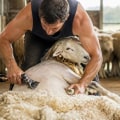
Another aspect that contributes to this misconception is the process of shearing. While some may view shearing as a harmful practice, it is actually essential for the sheep's health. Sheep naturally grow wool continuously, and without shearing, they can suffer from overheating and skin infections due to excessive fleece.Ethical shearing practices are designed to minimize stress for the animals. Professional shearers are trained to handle sheep gently and efficiently, ensuring that the process is quick and as comfortable as possible.
- Timing: Shearing is typically done in spring before the hot summer months, allowing sheep to remain cool.
- Technique: Skilled shearers use techniques that reduce stress and discomfort for the sheep.
- Post-Shearing Care: After shearing, farmers monitor their sheep closely to ensure they recover well.
Misconception 2: All Wool is Produced in the Same Way
One of the most prevalent misconceptions about wool production is that all wool is produced using the same methods, which could not be further from the truth.In reality, there are various types of wool production that reflect the diverse practices and environmental conditions of different regions.
Types of Wool Production
- Traditional Sheep Farming: This method often involves raising sheep in extensive pastures, allowing them to graze freely. Farmers typically shear their sheep once a year, focusing on animal welfare and sustainable practices.
- Intensive Farming: In contrast, some operations utilize intensive farming techniques, where sheep are kept in confined spaces. This method can lead to higher yields but may raise concerns regarding animal welfare and environmental impact.
- Organic Wool Production: Organic farms adhere to strict guidelines that prohibit synthetic chemicals and promote biodiversity. These farms often prioritize soil health and animal welfare, resulting in high-quality wool that is both sustainable and eco-friendly.
Sustainable Wool Practices
Sustainability in wool farming methods is becoming increasingly important as consumers demand more ethical products.
Many farmers are adopting practices such as:
- Rotational Grazing: This technique involves moving sheep between pastures to prevent overgrazing and promote soil regeneration.
- Water Conservation: Innovative water management systems are being implemented to reduce water usage and protect local ecosystems.
- Animal Welfare Standards: Many producers are now certified by organizations that ensure humane treatment of animals throughout their lifecycle.
Misconception 3: Wool is an Environmentally Unfriendly Material
One of the most prevalent misconceptions about wool production is that it is detrimental to the environment. However, this belief overlooks several key factors that highlight wool's sustainability and eco-friendliness. Firstly, wool is a biodegradable material. Unlike synthetic fibers, which can take hundreds of years to decompose, wool naturally breaks down in soil, returning valuable nutrients to the earth.This characteristic makes it a more sustainable choice for consumers who are concerned about their environmental footprint. Moreover, many wool producers are adopting sustainable farming practices that prioritize animal welfare and environmental health. These practices include:
- Rotational grazing: This method allows sheep to graze on different pastures, promoting soil health and reducing overgrazing.
- Water conservation: Many farms implement efficient water management systems to minimize waste and protect local water sources.
- Organic farming: Some wool producers use organic methods that avoid harmful pesticides and fertilizers, further reducing their environmental impact.
By choosing responsibly sourced wool products, consumers can support practices that benefit both the planet and local farming communities.
Misconception 4: Wool Production is a Dying Industry
Contrary to the belief that wool production is a dying industry, recent trends indicate a robust and growing market for wool. The demand for natural fibers has seen a resurgence as consumers become increasingly aware of the environmental impact of synthetic materials. This shift is not just a fleeting trend; it reflects a broader movement towards sustainability and eco-friendly products.According to industry reports, the global wool market is projected to grow significantly in the coming years. Factors contributing to this growth include:- Increased Demand for Sustainable Fashion: As more brands commit to sustainable practices, wool's natural properties make it an attractive option.
It is biodegradable, renewable, and requires less energy to produce compared to synthetic fibers.
- Technological Advancements: Innovations in wool processing and production techniques have improved efficiency and quality, making wool more competitive against synthetic alternatives.
- Diverse Applications: Beyond clothing, wool is being utilized in various sectors including home textiles, insulation materials, and even automotive applications, broadening its market reach.
Misconception 5: All Wool Products are Expensive and Unaffordable
One of the most pervasive misconceptions about wool production is that all wool products are prohibitively expensive.While it is true that some high-end wool items can carry a hefty price tag, this does not reflect the entire spectrum of wool products available on the market.In reality, there are numerous affordable wool products that cater to budget-conscious consumers without sacrificing quality. Here are some options to consider:
- Wool Blends: Many manufacturers create garments using a blend of wool and synthetic fibers, which can significantly reduce costs while still providing the warmth and durability associated with pure wool.
- Seasonal Sales: Retailers often offer discounts during off-seasons or holiday sales, making it easier to find quality wool items at a fraction of their original price.
- Second-Hand Options: Thrift stores and online marketplaces frequently have gently used wool products available at lower prices, allowing consumers to enjoy the benefits of wool without breaking the bank.
- Local Producers: Supporting local farms or cooperatives can lead to more affordable options, as these producers often sell directly to consumers, cutting out middlemen and reducing costs.
By exploring various sources and types of wool products, consumers can find affordable choices that meet their needs without compromising on quality.
FAQs About Wool Production Misconceptions
Understanding wool production is essential for dispelling common myths that surround this natural fiber. Here are some frequently asked questions that help clarify misconceptions:- Is wool production harmful to sheep? Many believe that shearing sheep is painful or harmful. In reality, when done correctly by trained professionals, shearing is a necessary process that promotes the health and well-being of the sheep. It prevents overheating and reduces the risk of disease.
- Does wool production contribute to environmental damage? While any agricultural practice has an environmental impact, wool production can be sustainable.
Many farmers implement eco-friendly practices, such as rotational grazing and organic farming, which can enhance soil health and biodiversity.
- Is all wool produced inhumane? This misconception arises from reports of poor practices in some regions. However, many reputable farms adhere to strict animal welfare standards, ensuring that sheep are treated humanely throughout their lives.
- Can people with allergies wear wool? Some assume that all wool causes allergic reactions. In fact, many individuals with sensitivities can wear certain types of wool, such as merino, which is softer and less irritating to the skin.
Conclusion: Clarifying the Truth About Wool Production
In conclusion, understanding wool production is essential for making informed choices as consumers. Throughout this article, we have addressed several common misconceptions that often cloud public perception. Firstly, it is crucial to recognize that wool production is not synonymous with animal cruelty.Many sheep farmers prioritize the well-being of their flocks, adhering to strict welfare standards. The shearing process, when done correctly, is a necessary and humane practice that benefits the sheep by preventing health issues related to overheating and wool overgrowth. Secondly, the environmental impact of wool production is often overstated. While all agricultural practices have some level of environmental footprint, wool is a renewable resource that can be sustainably managed. Sheep grazing can even contribute positively to land management when done responsibly. Moreover, the notion that wool is an impractical choice for consumers due to its maintenance requirements is misleading.
Modern advancements in wool processing have led to the development of products that are machine washable and durable, making them suitable for everyday use. As consumers, it is our responsibility to seek out accurate information and support ethical practices within the wool production industry. By choosing products from reputable sources that prioritize animal welfare and sustainable practices, we can enjoy the benefits of wool while contributing to a more responsible industry. In summary, by dispelling these myths surrounding wool production, we can appreciate its true value and make choices that align with our values regarding sustainability and animal welfare.