The current state of wool production reflects a dynamic and evolving industry that plays a crucial role in the global textile market. As of 2023, the global wool market is valued at approximately $3 billion, with production levels reaching around 1.1 million metric tons annually. This figure highlights the significance of wool as a natural fiber, particularly in an era where sustainability and eco-friendliness are increasingly prioritized by consumers. Key players in the wool production landscape include countries like Australia, China, and New Zealand, which together account for over 70% of the world's total wool output. Australia remains the largest producer, contributing nearly 25% of global production, while China serves as both a major producer and consumer, driving demand for high-quality wool products.
New Zealand follows closely behind, known for its fine wool varieties that cater to niche markets. In addition to these leading countries, emerging markets in South America and Africa are beginning to make their mark on the industry. Countries such as Argentina and South Africa are enhancing their production capabilities, focusing on quality improvements and sustainable practices. This shift not only diversifies the global supply chain but also introduces new opportunities for innovation within the wool production sector. Understanding these current statistics and key players is essential for grasping the future outlook of wool production. As consumer preferences evolve and environmental concerns rise, the industry is poised for transformation, making it imperative to stay informed about ongoing trends and developments.
Technological Innovations in Wool Production
The future of wool production is being shaped by a wave of technological innovations that not only enhance efficiency but also promote sustainability.As the demand for high-quality wool continues to rise, farmers are increasingly turning to advanced technologies to improve their practices.One significant advancement is the use of precision agriculture. This technology allows farmers to monitor and manage their flocks with greater accuracy. By utilizing GPS tracking and data analytics, producers can optimize grazing patterns, monitor animal health, and even predict wool yield. This not only increases productivity but also reduces waste, making wool farming more sustainable.Another area of innovation is in sustainable wool production technology.
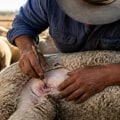
Many farms are adopting eco-friendly practices such as rotational grazing and integrated pest management. These methods help maintain soil health and reduce the environmental impact of wool production. Additionally, advancements in breeding technologies are enabling farmers to select for traits that enhance wool quality while ensuring the well-being of the sheep.Furthermore, the introduction of automated shearing machines is revolutionizing the way wool is harvested. These machines not only speed up the shearing process but also minimize stress on the animals, leading to higher quality fleece.
The integration of robotics in wool production is expected to become more prevalent, allowing for greater efficiency and reduced labor costs.In conclusion, the future outlook for wool production is bright, driven by technological advancements that prioritize both efficiency and sustainability. As these innovations continue to evolve, they will play a crucial role in meeting the growing global demand for high-quality wool while ensuring responsible farming practices.
Environmental Impact and Sustainability in Wool Production
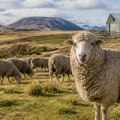
The environmental impact of wool production has garnered increasing attention as consumers become more conscious of their purchasing decisions. Traditional wool farming practices have raised concerns regarding land use, water consumption, and greenhouse gas emissions. However, the industry is witnessing a significant shift towards sustainable wool production methods that prioritize ecological balance and animal welfare.One of the primary challenges in wool production is the management of pastureland.Overgrazing can lead to soil degradation and loss of biodiversity. To combat this, many farmers are adopting eco-friendly wool farming practices such as rotational grazing. This method allows pastures to recover, promoting healthier soil and reducing erosion.Additionally, the use of organic farming techniques is on the rise. Organic wool production prohibits synthetic fertilizers and pesticides, which can harm local ecosystems.
Instead, farmers utilize natural alternatives that enhance soil fertility and promote biodiversity.
- Water Management: Sustainable wool producers are implementing efficient water management systems to minimize usage and prevent contamination of local water sources.
- Carbon Footprint Reduction: By integrating renewable energy sources and improving livestock management, farmers are working to lower their carbon footprints.
- Animal Welfare: Ethical treatment of sheep is becoming a cornerstone of sustainable practices, ensuring that animals are raised in humane conditions.
Market Trends and Consumer Preferences
The wool production industry is currently experiencing a dynamic shift influenced by evolving market trends and changing consumer preferences.As sustainability becomes a central theme in consumer choices, wool, known for its natural and biodegradable properties, is gaining traction among environmentally conscious buyers.One significant trend is the increasing demand for ethical and sustainable fashion. Consumers are more informed than ever about the environmental impact of their purchases, leading to a preference for materials like wool that are renewable and have a lower carbon footprint compared to synthetic alternatives. This shift is prompting brands to highlight their use of wool in marketing campaigns, emphasizing its sustainability credentials.Additionally, the rise of athleisure and casual wear has opened new avenues for wool products. Wool's natural moisture-wicking and temperature-regulating properties make it an ideal choice for activewear, appealing to a broader audience beyond traditional markets.
As more brands innovate with wool blends in their collections, the versatility of this fiber is being showcased, further driving consumer interest.Moreover, the global push towards circular fashion is influencing wool production practices. Brands are increasingly adopting recycling initiatives, encouraging consumers to return used wool garments for repurposing or recycling. This not only reduces waste but also fosters a sense of community among consumers who value sustainability.In conclusion, the future of wool production looks promising as market trends align with consumer preferences for sustainable and versatile materials. As awareness grows and innovation continues within the industry, wool is poised to reclaim its position as a favored choice in both fashion and functional apparel.
Challenges Facing the Wool Industry
The wool industry is currently facing a myriad of challenges that threaten its sustainability and growth.Understanding these issues is crucial for stakeholders aiming to navigate the future of wool production.
Economic Pressures
One of the most significant challenges is the economic pressure on wool prices. Fluctuations in global markets can lead to instability, making it difficult for producers to maintain profitability. Factors such as rising production costs, including feed and labor, further exacerbate this issue. Additionally, the demand for wool often competes with cheaper synthetic alternatives, which can undercut prices and market share.Competition from Synthetic Fibers
The rise of synthetic fibers presents a formidable challenge to the wool industry.Materials like polyester and nylon are not only less expensive but also offer properties that appeal to consumers, such as moisture-wicking and durability. This competition has led to a decline in demand for natural fibers, prompting wool producers to innovate and find ways to highlight the unique benefits of wool.
Climate Change
Climate change poses another significant threat to wool production. Changes in weather patterns can affect sheep health and fleece quality, leading to lower yields. Additionally, extreme weather events can disrupt supply chains and impact grazing lands, further complicating production efforts.As the industry grapples with these environmental challenges, there is an urgent need for sustainable practices that can mitigate these effects.
Conclusion
In summary, the future outlook for the wool industry hinges on its ability to address these pressing challenges. By adapting to economic pressures, competing effectively against synthetic fibers, and implementing sustainable practices in response to climate change, the wool industry can work towards a more resilient future.Future Outlook for Wool Production
The future outlook for wool production appears promising, driven by a combination of sustainability trends, technological advancements, and evolving consumer preferences. As the global demand for natural fibers continues to rise, wool is positioned to benefit significantly.Predictions for the wool industry
suggest that the market will expand as more consumers seek eco-friendly alternatives to synthetic materials. Wool's natural properties, such as breathability, moisture-wicking, and biodegradability, make it an attractive option for environmentally conscious buyers.This shift is expected to lead to increased investments in sustainable farming practices and innovative processing techniques.
- Sustainability Initiatives: Many wool producers are adopting sustainable practices, including regenerative agriculture, which not only enhances soil health but also improves the quality of wool produced.
- Technological Innovations: Advances in technology are streamlining wool processing and enhancing product quality. Innovations such as automated shearing and improved sorting techniques are expected to increase efficiency and reduce waste.
- Diverse Applications: The versatility of wool is leading to new applications beyond traditional textiles. Industries such as automotive and construction are exploring the use of wool for insulation and soundproofing materials.
By embracing sustainability and innovation, the wool industry is poised for growth in the coming years.
FAQs about Wool Production's Future
As the wool industry evolves, many individuals have questions about its future. Here are some of the most frequently asked questions regarding wool production and what lies ahead.- Will wool production continue to grow?
The future of wool production looks promising, with increasing demand for sustainable and natural fibers. As consumers become more environmentally conscious, the appeal of wool as a renewable resource is likely to drive growth in the industry. - How is technology impacting wool production?
Advances in technology are revolutionizing wool production. Innovations such as automated shearing and improved breeding techniques are enhancing efficiency and quality.Additionally, digital platforms are helping farmers connect directly with consumers, fostering transparency in the supply chain.
- What challenges does the wool industry face?
Despite its potential, the wool industry faces challenges such as climate change, which can affect sheep health and fleece quality. Furthermore, competition from synthetic fibers poses a threat. However, the industry's adaptability and commitment to sustainability may help mitigate these issues. - Are there new markets for wool?
Yes, emerging markets in Asia and Africa present new opportunities for wool production. As these regions develop their textile industries, they are increasingly looking to incorporate high-quality wool into their products. - What role does sustainability play in the future of wool?
Sustainability is at the forefront of the future of wool production.With a growing emphasis on eco-friendly practices, many producers are adopting regenerative farming methods that enhance soil health and biodiversity while reducing carbon footprints.