Wool production is a vital agricultural industry that not only contributes significantly to the economy but also plays a crucial role in sustainable farming practices. As sheep are raised primarily for their wool, understanding the health of these animals is essential for maintaining high-quality fleece and ensuring the overall productivity of wool farms. However, the journey from pasture to processing is fraught with challenges, particularly from various pests and diseases that can adversely affect sheep. Sheep are susceptible to a range of health issues that can compromise their wool quality and yield. Common pests such as lice, ticks, and flystrike can lead to significant discomfort and stress for the animals, ultimately impacting their growth and wool production.
Additionally, diseases like foot rot, internal parasites, and ovine pneumonia pose serious threats to sheep health, which can result in decreased wool quality and quantity. Understanding these challenges is not just about protecting the sheep; it’s also about safeguarding the livelihoods of farmers who depend on healthy flocks for their income. As we delve deeper into the world of wool production, it becomes clear that effective management strategies are essential for mitigating these risks. By recognizing the signs of common pests and diseases early on, farmers can implement preventive measures that not only enhance sheep health but also improve wool quality. This introductory overview sets the stage for a more detailed exploration of specific pests and diseases affecting sheep used for wool production, highlighting the importance of vigilance and proactive care in this critical sector.
Overview of Common Pests Affecting Sheep
Sheep used for wool production are susceptible to a variety of pests that can significantly impact their health and the quality of the wool they produce.Understanding these common pests is crucial for effective pest control and maintaining a healthy flock.
- Sheep Lice: These tiny parasites are among the most prevalent pests affecting sheep. They feed on the skin and can lead to severe irritation, resulting in wool loss and decreased wool quality. Infestations can also cause secondary infections, further compromising sheep health.
- Blowflies: Also known as botflies, these pests lay their eggs in the wool or on the skin of sheep. The larvae can cause significant damage by burrowing into the flesh, leading to a condition known as flystrike.
This not only affects the animal's health but can also ruin the fleece.
- Ticks: Ticks are notorious for transmitting diseases such as Lyme disease and anaplasmosis. Their presence can lead to anemia and other health issues in sheep, which in turn affects wool production.
- Mites: Sarcoptic mange mites can cause intense itching and skin lesions, leading to wool loss. These pests thrive in unsanitary conditions, making proper management essential for wool producers.
Therefore, implementing effective pest control measures is vital for any operation focused on wool production.Regular monitoring and maintaining good hygiene practices are key strategies in preventing pest infestations. Additionally, consulting with a veterinarian for appropriate treatments can help ensure that both sheep health and wool quality remain optimal.
Key Diseases Impacting Wool Production in Sheep
Sheep are susceptible to a variety of diseases that can significantly impact wool production. Understanding these diseases is crucial for maintaining the health of the flock and ensuring high-quality wool. Below are some of the key diseases that affect sheep used for wool production:- Foot Rot: This bacterial infection affects the hooves of sheep, leading to lameness and discomfort.
Infected sheep may avoid movement, which can result in reduced grazing and overall health. The stress from foot rot can also lead to lower wool quality due to poor nutrition.
- Scrapie: A fatal neurodegenerative disease, scrapie affects the central nervous system of sheep. Symptoms include behavioral changes, itching, and weight loss. While scrapie does not directly affect wool quality, the overall health decline can lead to inferior wool production.
- Blue Tongue: This viral disease is transmitted by biting midges and can cause fever, swelling, and lesions in the mouth.
Infected sheep may experience reduced appetite and weight loss, which can adversely affect wool yield and quality.
- Internal Parasites: Worm infestations, particularly from species like Haemonchus contortus (barber pole worm), can lead to anemia and poor body condition. Affected sheep often have a rough fleece and produce less wool due to compromised health.
Impact of Pests and Diseases on Wool Quality
The quality of wool production can be significantly compromised by various pests and diseases that affect sheep. Understanding these impacts is crucial for producers aiming to maintain high-quality wool and ensure economic viability.Pests
such as lice, ticks, and flystrike can lead to severe wool quality issues.
For instance, sheep infested with lice may experience intense itching, leading to wool breakage and a decrease in fleece weight. This not only affects the aesthetic quality of the wool but also its market value. Similarly, flystrike, caused by blowflies laying eggs on soiled wool, can result in significant damage to the fleece, making it unsellable.
Diseases
like foot rot and scrapie also pose threats to wool quality. Foot rot can cause sheep to become lame, reducing their ability to graze effectively and leading to poor body condition.
This decline in health can result in lower wool yields and inferior fleece quality. Scrapie, a transmissible spongiform encephalopathy, affects the nervous system and can lead to a decrease in overall flock health, indirectly impacting wool production.The economic implications of these pests and diseases are profound. Producers may face increased costs due to veterinary care, treatment measures, and potential loss of income from lower-quality wool. To mitigate these risks, it is essential for sheep farmers to implement effective management strategies, including regular health checks, proper shearing practices, and maintaining a clean environment for their flocks.In conclusion, the impact of pests and diseases on wool quality is multifaceted, affecting not only the physical characteristics of the fleece but also the financial stability of wool producers.
By prioritizing flock health and implementing preventive measures, producers can safeguard their wool production against these detrimental factors.
Preventative Measures for Managing Pests and Diseases
Effective pest management and disease prevention are crucial for maintaining the health of sheep and ensuring high-quality wool production. Implementing a comprehensive health management plan can significantly reduce the risk of infestations and infections.Regular Health Assessments
Conducting regular health assessments is essential for early detection of potential issues. This includes:- Visual inspections: Regularly check sheep for signs of pests such as lice, mites, and ticks, as well as symptoms of diseases like foot rot or pneumonia.
- Weight monitoring: Keep track of the weight of your flock to identify any sudden drops that may indicate health problems.
- Vaccination schedules: Adhere to vaccination protocols to protect against common diseases affecting sheep.
Pasture Management
Proper pasture management can help minimize pest populations and disease spread:- Rotational grazing: Rotate grazing areas to prevent overgrazing and reduce parasite loads in the soil.
- Cleanliness: Maintain clean living conditions by regularly removing manure and debris that can harbor pests.
- Forage quality: Provide high-quality forage to boost the overall health and immunity of the flock.
Pest Control Strategies
Implementing targeted pest control strategies is vital for effective management:- Chemical treatments: Use approved insecticides and acaricides as needed, following guidelines to ensure safety and efficacy.
- Natural predators: Encourage natural predators in the environment, such as birds or beneficial insects, to help control pest populations.
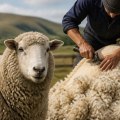
- Shearing practices: Regular shearing not only improves wool quality but also helps reduce the habitat for pests.
Frequently Asked Questions About Sheep Health in Wool Production
When it comes to wool production, maintaining the health of sheep is crucial. Here are some frequently asked questions regarding pests and diseases that can impact these animals:- What are the most common pests affecting sheep?
Common pests include lice, ticks, and mites.These parasites can cause significant discomfort and lead to wool damage, affecting both the quality and quantity of wool produced.
- How do I identify signs of pest infestations?
Look for symptoms such as excessive scratching, wool loss, or visible parasites on the skin. Regularly inspecting your flock can help catch infestations early. - What diseases should I be aware of in sheep?
Some prevalent diseases include foot rot, clostridial infections, and ovine pulmonary adenocarcinoma. These conditions can severely impact the health of sheep and, consequently, their wool production. - How can I prevent diseases in my flock?
Implementing a robust vaccination program, maintaining proper nutrition, and ensuring good hygiene practices are essential steps in disease prevention. - Are there specific treatments for wool-related diseases?
Treatments vary depending on the disease. For instance, foot rot may require antibiotics and foot baths, while internal parasites might necessitate deworming medications.
Conclusion: Ensuring Healthy Sheep for Quality Wool Production
In conclusion, maintaining the health of sheep is paramount for ensuring high-quality wool production.The presence of pests and diseases can significantly impact not only the well-being of the flock but also the quality and quantity of wool harvested. By understanding the common threats such as lice, flystrike, and foot rot, sheep farmers can implement effective management strategies to mitigate these risks.Regular health checks and monitoring are essential practices that can help in early detection of any issues. Farmers should consider:
- Implementing a vaccination program: Vaccines can protect against certain diseases that may affect wool quality.
- Maintaining proper hygiene: Keeping living conditions clean reduces the risk of infestations and infections.
- Utilizing integrated pest management (IPM): This approach combines biological, cultural, and chemical practices to control pests effectively.
Healthy sheep produce stronger, finer wool, which is crucial for maintaining a competitive edge in the wool industry.